SilkParasite Exploits SpiceRAT Network to Infiltrate Central Asian State and Energy Systems
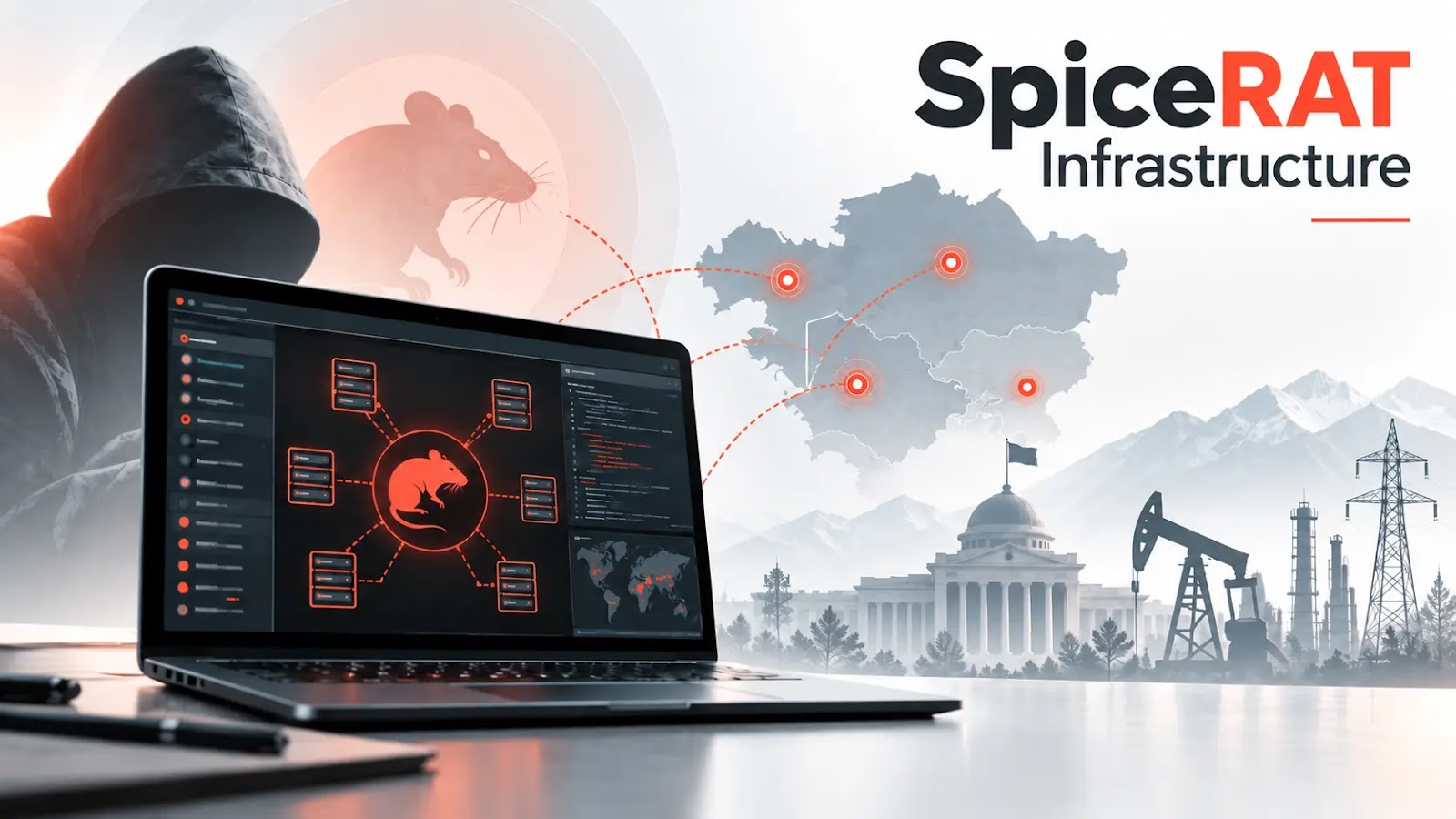
Cybersecurity analysts have identified a new wave of activity by the SilkParasite espionage group, which is leveraging the previously documented SpiceRAT command‑and‑control infrastructure to breach government, telecommunications and energy organizations across Central Asia.
SpiceRAT, a remote‑access trojan first observed in the early 2020s, is known for its modular design and ability to exfiltrate data while maintaining a low profile. The malware has been employed by a variety of threat actors, but the latest investigation links a distinct cluster of SpiceRAT servers to SilkParasite’s recent campaigns, expanding the group’s operational footprint beyond earlier, isolated incidents.
The analysis, originally published by GBHackers, uncovered a network of servers that share common indicators of compromise, such as domain‑generation algorithms and encryption keys, with the SpiceRAT family. These servers have been observed communicating with compromised endpoints in ministries, state‑run telecom carriers and regional power generators, suggesting a coordinated effort to harvest sensitive policy documents, network schematics and operational data.
Central Asia’s strategic position—bordering major energy corridors and serving as a nexus for regional trade—makes its public‑sector and utility networks attractive targets for state‑aligned espionage groups. Access to governmental communications and energy infrastructure can provide insight into diplomatic negotiations, resource allocations and potential vulnerabilities that could be leveraged in future geopolitical maneuvers.
Local authorities have not disclosed specific breach details, but regional cybersecurity teams have begun tightening network monitoring and collaborating with international partners to disrupt the identified command‑and‑control nodes. The exposure of the SpiceRAT infrastructure offers a foothold for defenders to block malicious traffic and issue remediation guidance to at‑risk organizations.
Experts warn that the reuse of established malware platforms like SpiceRAT underscores a broader trend in cyber‑espionage: adversaries are increasingly repurposing proven tools to accelerate deployment and evade detection. Continued vigilance, information sharing and rapid patching of vulnerable systems will be critical to mitigating the impact of SilkParasite’s campaign and similar operations targeting the region.



Comments (0)
Be the first to comment.
Join the discussion