Signal Blocks Screenshot Access by Apple and Google to Guard User Privacy
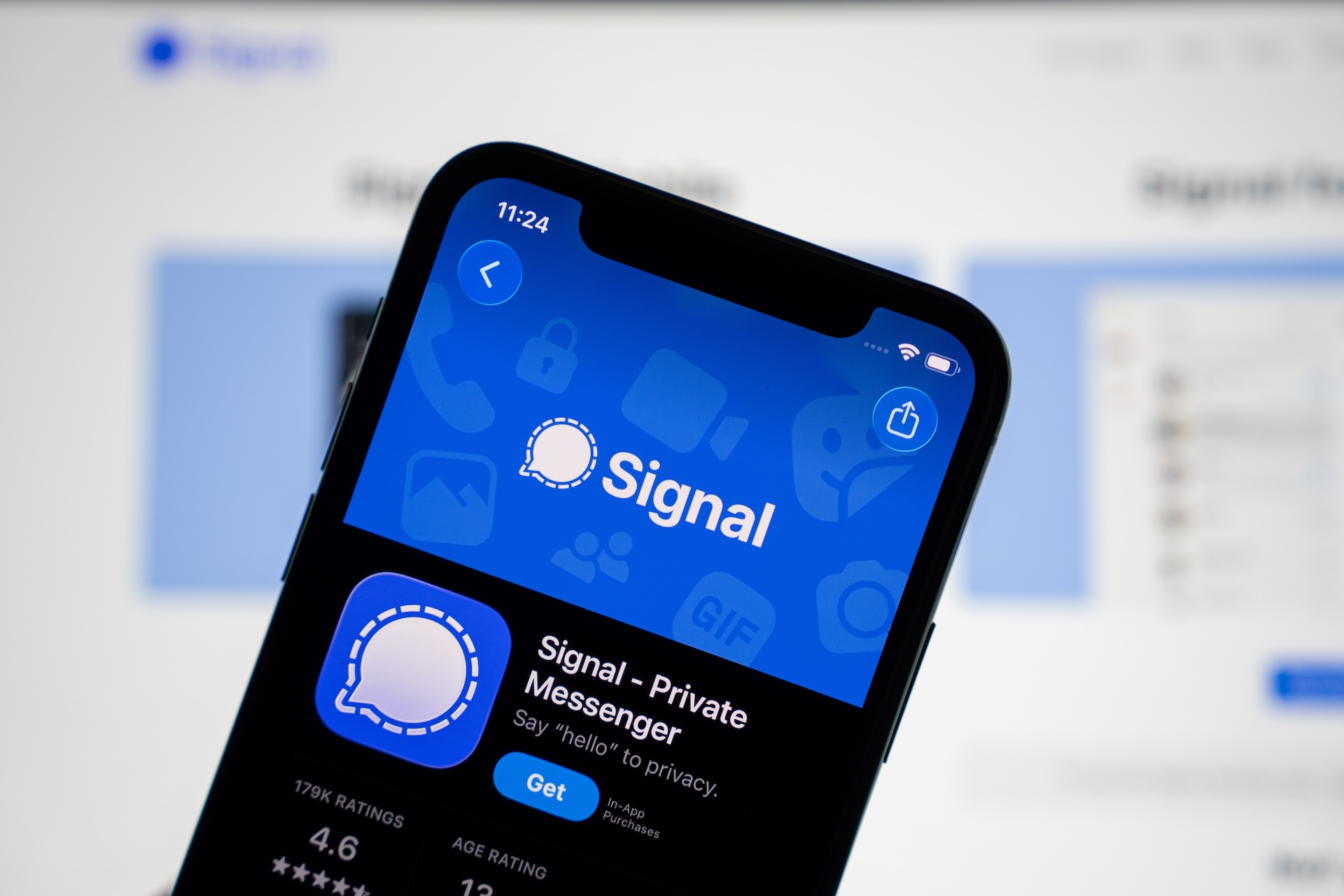
Signal announced on Friday that its encrypted messaging app will now prevent default screenshot capture by Apple and Google operating systems, a move aimed at stopping the automatic feeding of private conversations into the tech giants' artificial intelligence services.
The decision follows growing concerns that AI models could be trained on user content harvested through system‑level screenshot functions, potentially exposing sensitive data despite end‑to‑end encryption. By disabling this capability at the OS level, Signal seeks to ensure that messages remain confined to the app and are not inadvertently harvested for machine‑learning purposes.
Signal's leadership highlighted that the company has previously implemented measures to curb data leakage, but the new block specifically targets the default behavior of iOS and Android that captures screen content for AI‑related features. The change will apply automatically to all users, requiring no action on their part to activate the protection.
Privacy advocates have welcomed the step as a concrete safeguard against the expanding reach of AI surveillance. While Apple and Google have not publicly detailed the extent to which they collect screenshot data, industry observers note that the integration of AI assistants and predictive services increasingly relies on user‑generated content to improve accuracy.
Signal's move also raises questions about how other messaging platforms might respond. Some competitors have introduced optional privacy settings, but few have taken the decisive step of blocking OS‑level screenshotting by default. The action underscores a broader tension between the convenience of AI‑enhanced features and the imperative to protect personal communications.
Looking ahead, Signal indicated that the company will monitor the effectiveness of the block and explore additional safeguards as AI capabilities evolve. The announcement adds to a growing chorus of calls for clearer regulations and transparency around how tech firms handle user data for AI training, suggesting that the debate over digital privacy will intensify in the months to come.



Comments (0)
Be the first to comment.
Join the discussion