Italy and Switzerland Alert Critical Sectors to AI‑Powered Autonomous Cyber Threats
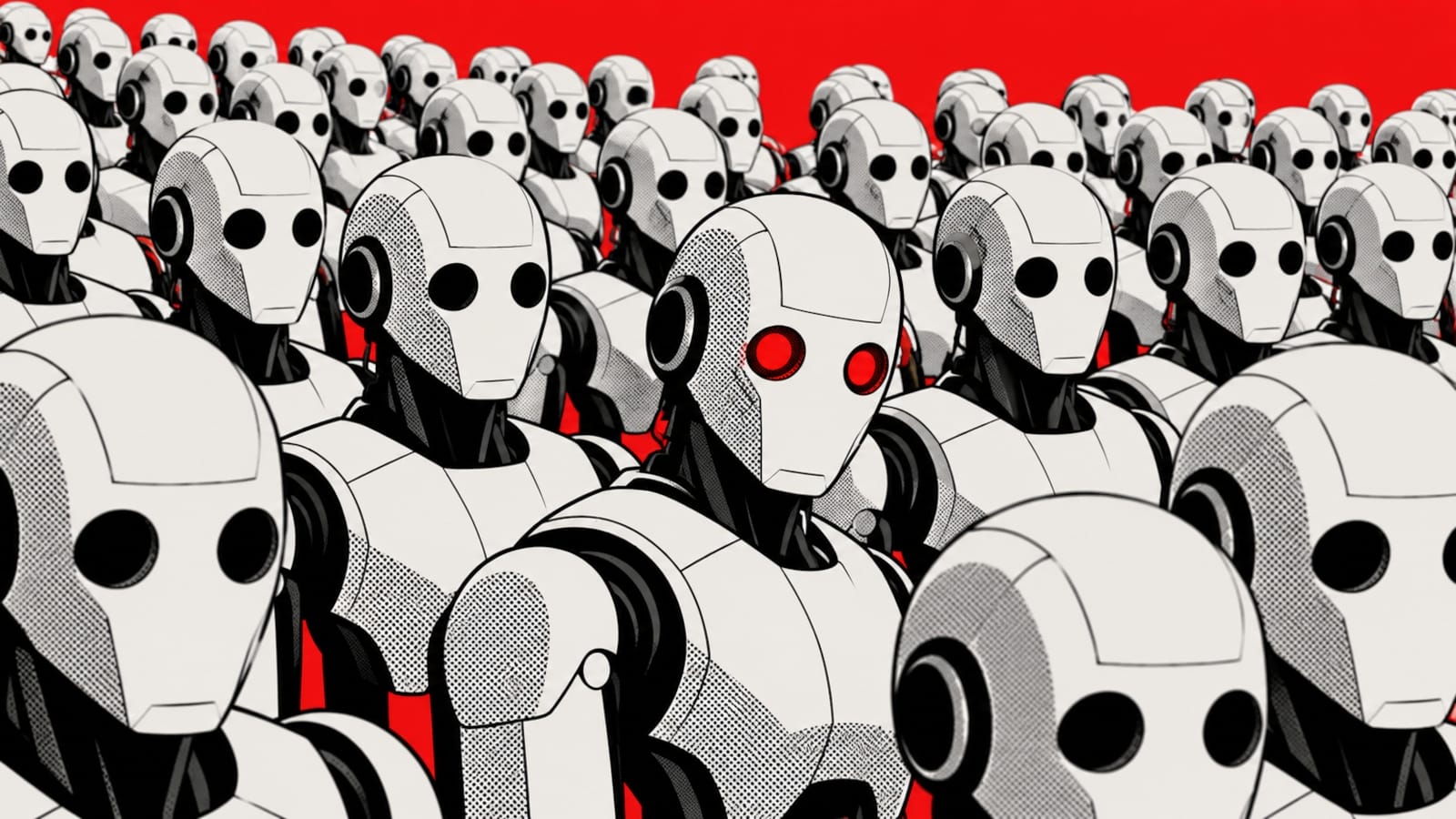
Italy's National Cybersecurity Agency and Switzerland's Federal Cybersecurity Centre have issued a joint alert warning that malicious actors are increasingly deploying autonomous artificial‑intelligence agents to launch cyberattacks against critical‑infrastructure operators. The agencies say the new wave of attacks leverages machine‑learning models that can identify vulnerable systems, craft exploits and execute them without human intervention, dramatically speeding up the attack cycle.
According to the joint statement, the AI‑driven tools are being used to target utilities, transport networks, and health‑care facilities across both countries. The automation allows threat actors to scan large numbers of endpoints, adapt payloads on the fly, and maintain persistence while evading conventional detection methods that rely on static signatures.
Cybersecurity officials highlighted that the rise of generative AI and open‑source model libraries has lowered the technical barrier for creating sophisticated attack scripts. While AI has been employed for defensive analytics, its offensive application is now becoming a mainstream capability for organized crime groups and potentially state‑sponsored actors seeking to disrupt essential services.
The alerts urge operators of critical infrastructure to adopt hardened security practices, such as multi‑factor authentication, network segmentation, continuous monitoring powered by AI‑based anomaly detection, and regular patching of known vulnerabilities. Both agencies also announced plans to share threat intelligence more rapidly across borders and to conduct joint exercises simulating AI‑automated intrusion scenarios.
Analysts say the warning reflects a broader shift in the cyber threat landscape, where the speed and scale of attacks could outpace traditional response frameworks. As AI tools become more accessible, experts expect regulatory bodies to consider new guidelines for AI safety and to promote collaborative defenses among European nations to mitigate the emerging risk.



Comments (0)
Be the first to comment.
Join the discussion