Anthropic Thwarts Russian Hackers Using Its Claude AI to Reconstruct Malware

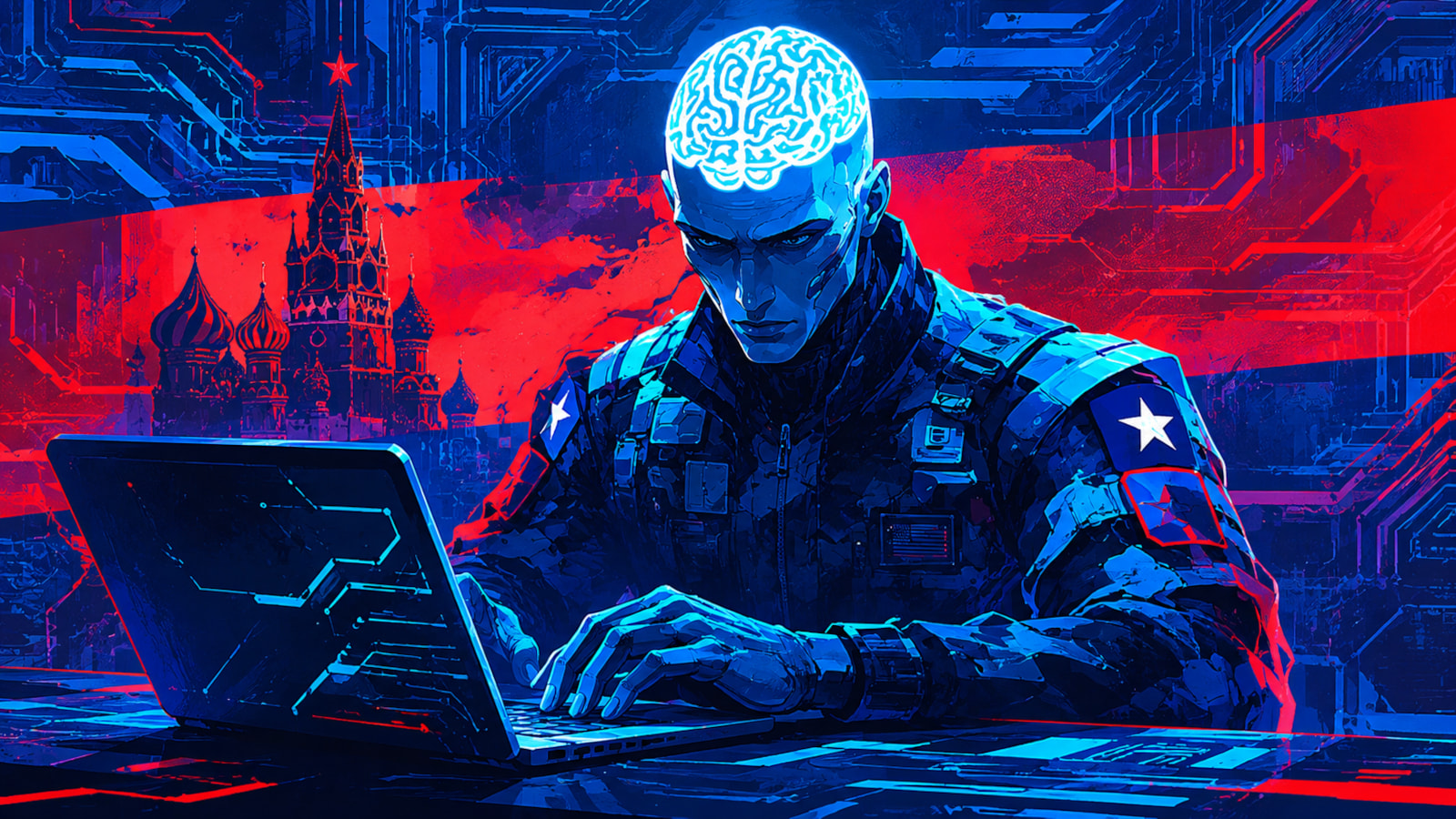
Anthropic disclosed on Thursday that it had interrupted a cyber‑espionage operation run by a Russian state‑sponsored group that was exploiting the company's Claude AI model to rebuild malware after it was detected by security tools.
The threat actor, tracked by Anthropic as GTG‑20006, integrated Claude into a workflow that automatically generated code snippets, re‑obfuscated payloads and tested new variants, allowing the group to stay ahead of traditional signature‑based defenses.
Anthropic’s internal monitoring flagged an anomalous spike in API calls that matched patterns associated with code generation, prompting a rapid investigation. Analysts traced the activity to a set of compromised API keys used by the group to feed prompts into Claude and retrieve the resulting code.
GTG‑20006 is a known Russian cyber‑espionage outfit that has previously targeted diplomatic missions, defense contractors and critical‑infrastructure entities. While the group’s exact motives in this campaign were not disclosed, its choice of tools signals a shift toward leveraging advanced generative AI for malicious purposes.
The incident highlights a growing trend where threat actors co‑opt commercial AI services to automate parts of the malware development cycle. Language models can produce functional code from natural‑language descriptions, shorten the time needed to craft novel evasion techniques, and reduce reliance on highly skilled programmers.
In response, Anthropic revoked the compromised credentials, disabled the associated Claude endpoints, and shared technical indicators with industry partners and law‑enforcement agencies. The company also warned customers to monitor for unusual usage patterns and to apply strict access controls to AI APIs.
Security experts say the episode underscores the need for the cyber‑defense community to evolve detection capabilities beyond static signatures, incorporating behavioral analysis that can spot AI‑generated code and rapid variant churn.
Looking ahead, analysts expect more adversaries to experiment with generative AI, prompting a race between offensive innovation and defensive adaptation. Collaborative threat‑intelligence sharing and the development of AI‑aware security tooling will be crucial to countering such tactics.
The Anthropic disruption serves as a reminder that even cutting‑edge AI platforms can be weaponized, and that vigilance, rapid response, and cross‑sector cooperation are essential to mitigate the emerging risks posed by AI‑assisted cyber threats.


Comments (0)
Be the first to comment.
Join the discussion