FBI’s Operation Blackout Seizes $17 Billion in Global Scam Networks Targeting U.S. Consumers
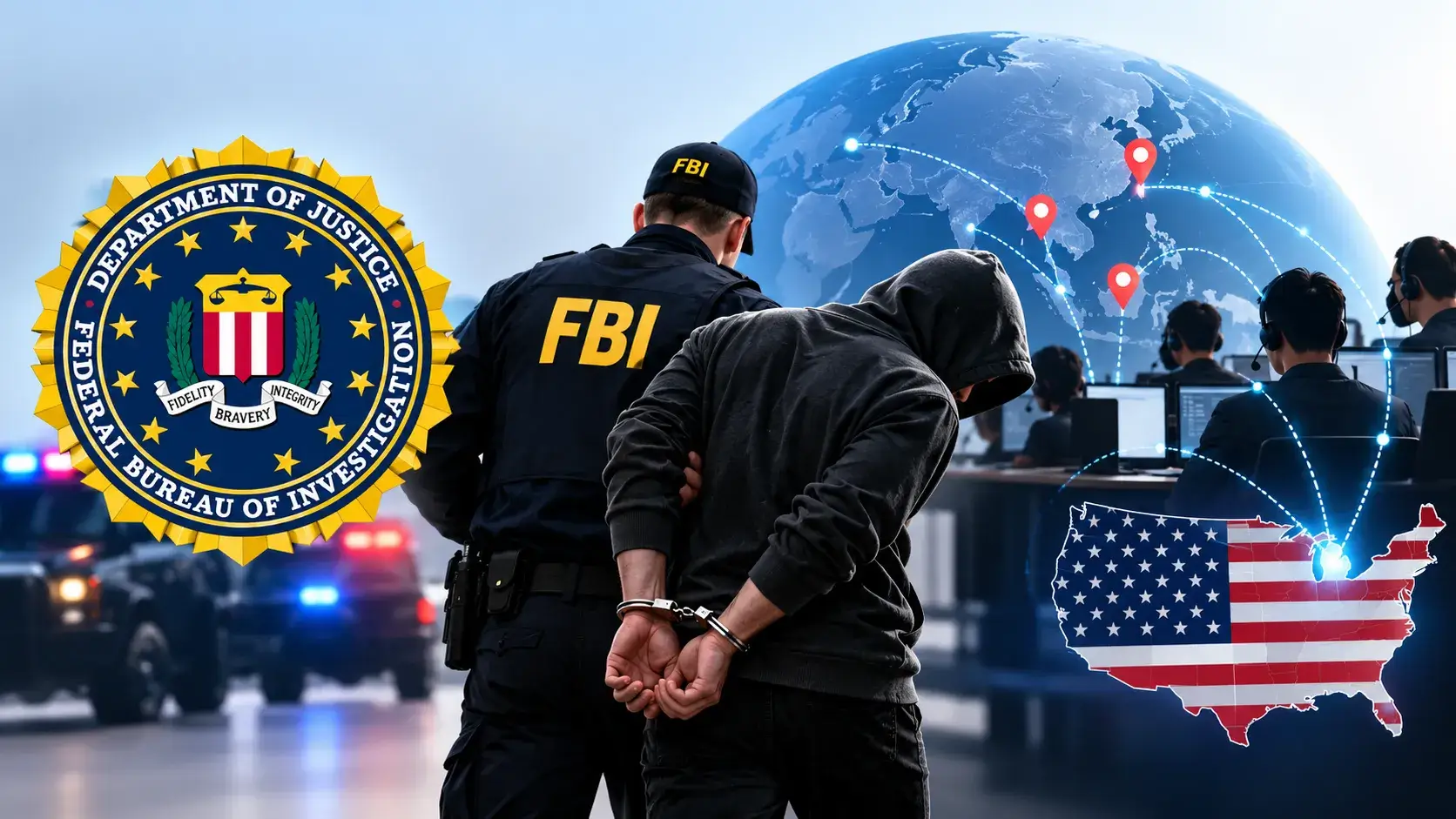
The Federal Bureau of Investigation announced a major blow to international fraud schemes that have been preying on Americans, revealing that its Operation Blackout has confiscated roughly $17 billion tied to transnational scam operations.
Director Kash Patel used the agency’s official X account to detail the scope of the takedown, emphasizing that the seized assets span multiple jurisdictions and involve coordinated groups that use phone, email and online platforms to dupe U.S. residents out of money. While the statement did not enumerate individual arrests, officials indicated that dozens of suspects in several countries have been detained as part of the coordinated effort.
The crackdown comes after a sustained rise in complaints about “grandparent scams,” fake tax refund offers and cryptocurrency frauds that have collectively cost Americans billions in recent years. Law‑enforcement agencies have increasingly turned to joint operations with foreign partners, sharing intelligence and synchronizing raids to dismantle the infrastructure—such as call centers and money‑laundering channels—that enables the scams to thrive.
Operation Blackout builds on earlier FBI initiatives aimed at disrupting cross‑border fraud, but the scale of the financial seizure marks a notable escalation. By freezing assets and disrupting payment processors, the bureau hopes to both cripple the profit motive for these criminal enterprises and send a deterrent signal to other illicit networks operating beyond U.S. borders.
Analysts note that while the $17 billion figure represents a substantial financial hit, the broader impact will depend on the durability of the partnerships forged during the operation and on continued vigilance from both authorities and the public. The FBI has urged consumers to stay skeptical of unsolicited solicitations and to report suspicious activity promptly, suggesting that sustained awareness will be essential to preventing future scams even as law‑enforcement pressure intensifies.


Comments (0)
Be the first to comment.
Join the discussion