RSA Introduces Agent ID to Safeguard AI Agents and MCP Servers in Regulated Sectors
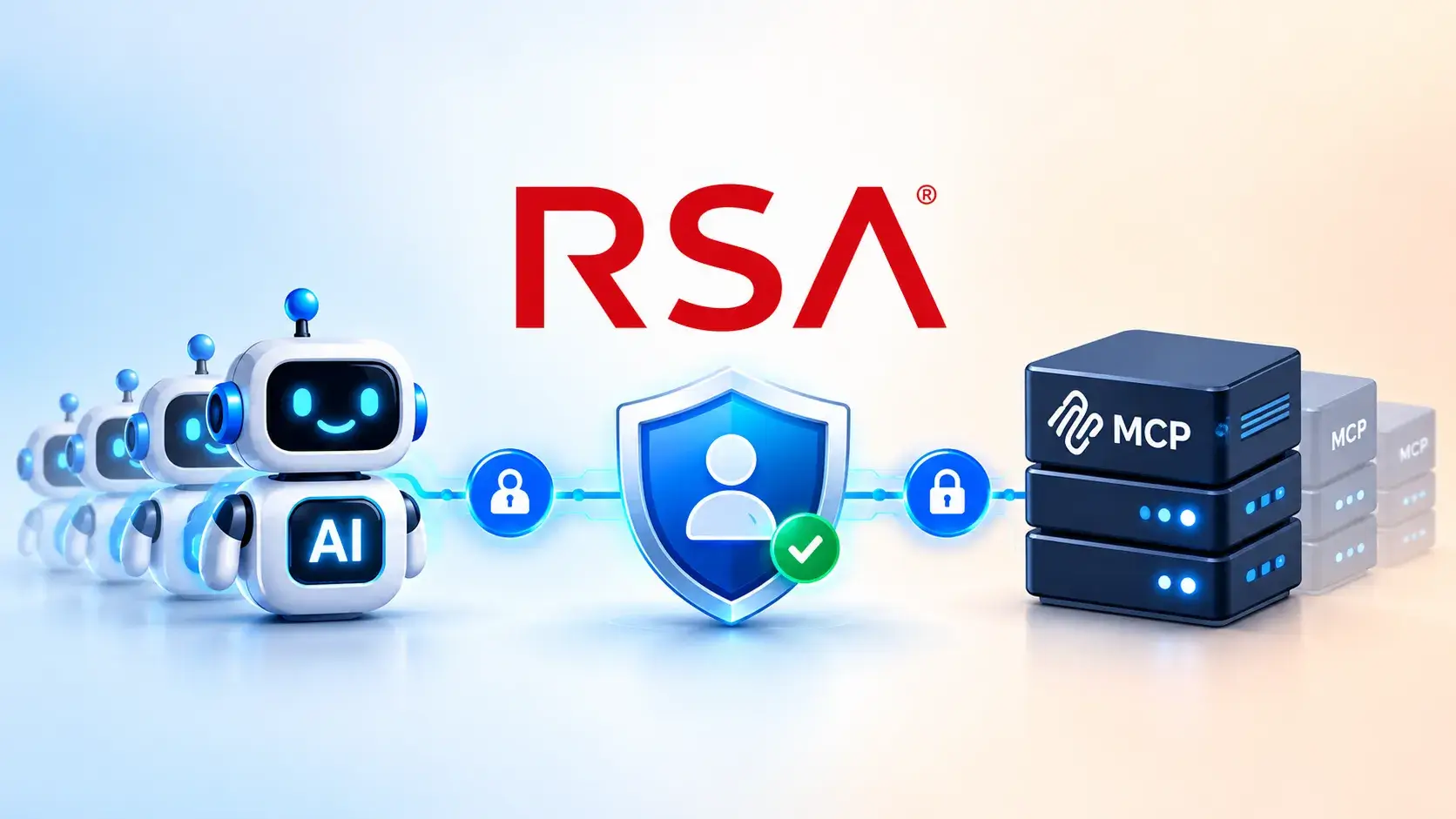
RSA Security unveiled a new platform, RSA Agent ID, aimed at protecting artificial intelligence agents and Model Context Protocol (MCP) servers that operate within heavily regulated environments. The solution is positioned as a response to an emerging "agentic identity" gap, where traditional identity management tools struggle to recognize and control autonomous software entities that communicate and act on behalf of organizations.
According to RSA, Agent ID continuously discovers AI-driven agents across an enterprise's network, maps their interactions with MCP servers, and enforces identity‑based access controls. By treating each agent as a distinct identity, the platform can apply granular policies, monitor for anomalous behavior, and automatically revoke privileges when risk indicators arise. The company emphasizes that the approach mirrors existing practices for human users, extending the same level of scrutiny to machine‑to‑machine communications.
The launch comes as regulators worldwide tighten requirements around data protection, auditability, and accountability for automated decision‑making systems. Industries such as finance, healthcare, and critical infrastructure have been flagged for heightened oversight, prompting vendors to develop tools that can demonstrate compliance with standards like the EU's AI Act and the U.S. Federal Risk and Authorization Management Program (FedRAMP). RSA Agent ID is designed to generate audit trails that capture who—or what—accessed specific AI models, when, and under what conditions, thereby easing the burden of regulatory reporting.
Security analysts note that the proliferation of AI agents has outpaced the evolution of identity governance frameworks. While traditional privileged access management (PAM) solutions focus on human administrators and service accounts, they often overlook the dynamic, short‑lived identities that AI agents assume during model inference or data preprocessing. RSA's offering attempts to fill that void by integrating with existing identity and access management (IAM) ecosystems, leveraging APIs to pull contextual data from cloud providers, container orchestrators, and on‑premise servers.
Looking ahead, RSA plans to expand Agent ID's capabilities with threat‑intelligence feeds that can flag compromised agents in real time and to offer a managed service for organizations lacking internal security expertise. The company also hinted at future support for emerging standards around AI model provenance and explainability, suggesting that the platform could become a central hub for both security and governance of autonomous systems. As AI continues to embed itself deeper into critical workflows, tools like RSA Agent ID may become indispensable for enterprises seeking to balance innovation with compliance and risk mitigation.



Comments (0)
Be the first to comment.
Join the discussion