International Law Enforcement Dismantles KillSec Ransomware Network

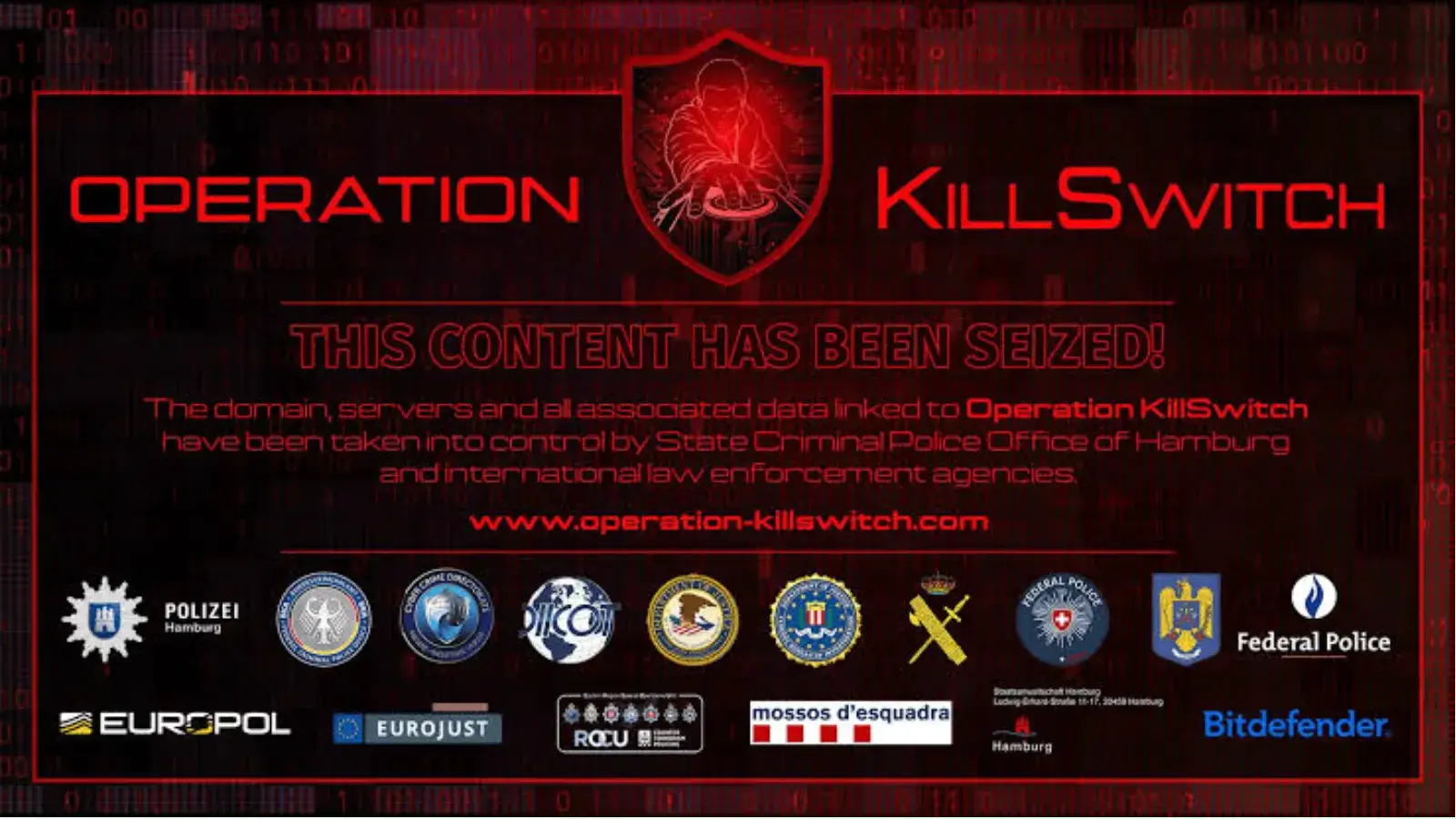
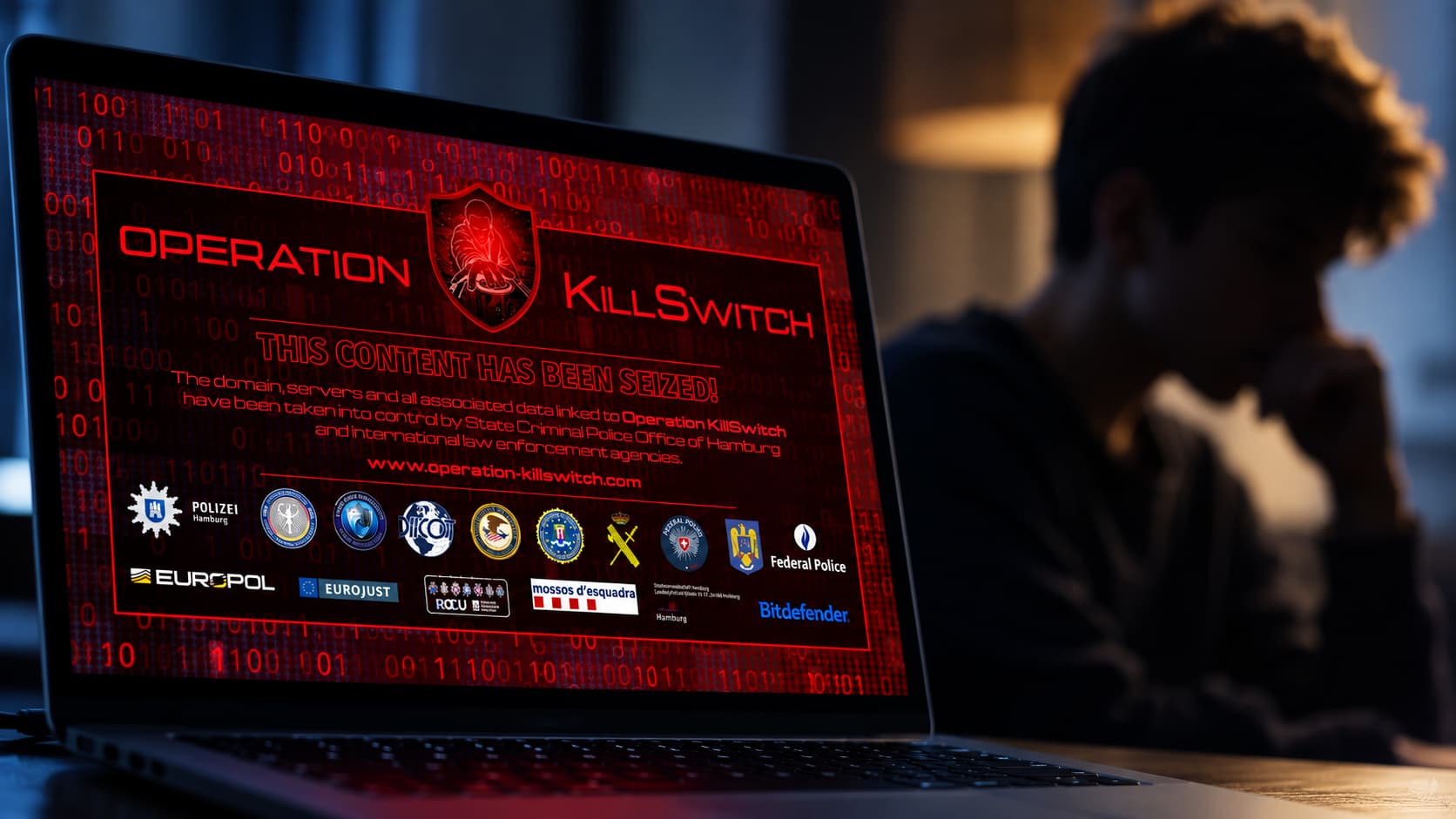
Coordinated raids by law‑enforcement agencies across Europe and North America have struck a major blow to the cyber‑crime outfit known as KillSec, seizing its servers, cryptocurrency wallets and detaining several individuals alleged to be its leadership. The operation, described by officials as one of the most extensive takedowns of a ransomware syndicate to date, aims to halt the group’s ongoing extortion campaigns that have plagued hospitals, municipal services and private enterprises over the past few years.
Authorities from the FBI, Europol, the UK National Crime Agency and several national police forces worked in parallel to locate and apprehend suspects linked to KillSec’s core infrastructure. According to the joint statement, at least four arrests were made in the United States, the United Kingdom and the Netherlands, while computer systems used to host ransomware payloads were confiscated in multiple data centers. Investigators also froze several digital wallets that held millions of dollars in cryptocurrency proceeds, disrupting the group’s primary revenue stream.
KillSec first emerged on the cyber‑crime scene around 2020, quickly gaining notoriety for its “double extortion” tactics—encrypting victim data while threatening public release unless a ransom was paid. The group’s branding, which often featured a stylised skull, became synonymous with high‑profile attacks on healthcare providers during the pandemic and on municipal governments that struggled to fund recovery efforts. Prior to this bust, the syndicate was believed to operate a loosely networked structure that allowed affiliates to launch attacks under the KillSec banner while sharing profits with the central leadership.
The disruption is expected to provide temporary relief to organizations still dealing with pending ransom demands, but experts caution that the ransomware ecosystem is highly adaptable. When one group is taken down, its tools and tactics are frequently adopted by other actors, and the financial incentives remain strong. Nonetheless, the seizure of KillSec’s command‑and‑control servers removes a critical piece of its operational capability, potentially slowing the pace of new encryptions while law‑enforcement continues to trace remaining assets.
Investigators say the case is far from closed; ongoing forensic analysis will likely lead to additional charges and may uncover further accomplices operating in other jurisdictions. The multinational effort underscores a growing trend of cross‑border cooperation aimed at curbing ransomware threats, a strategy that analysts say must be sustained to keep pace with evolving cyber‑crime tactics. As the legal process unfolds, victims and industry observers will be watching closely to see whether the arrests translate into meaningful restitution and a longer‑term decline in ransomware activity.

Comments (0)
Be the first to comment.
Join the discussion