Canadian citizen extradited to US over university cryptomining breach
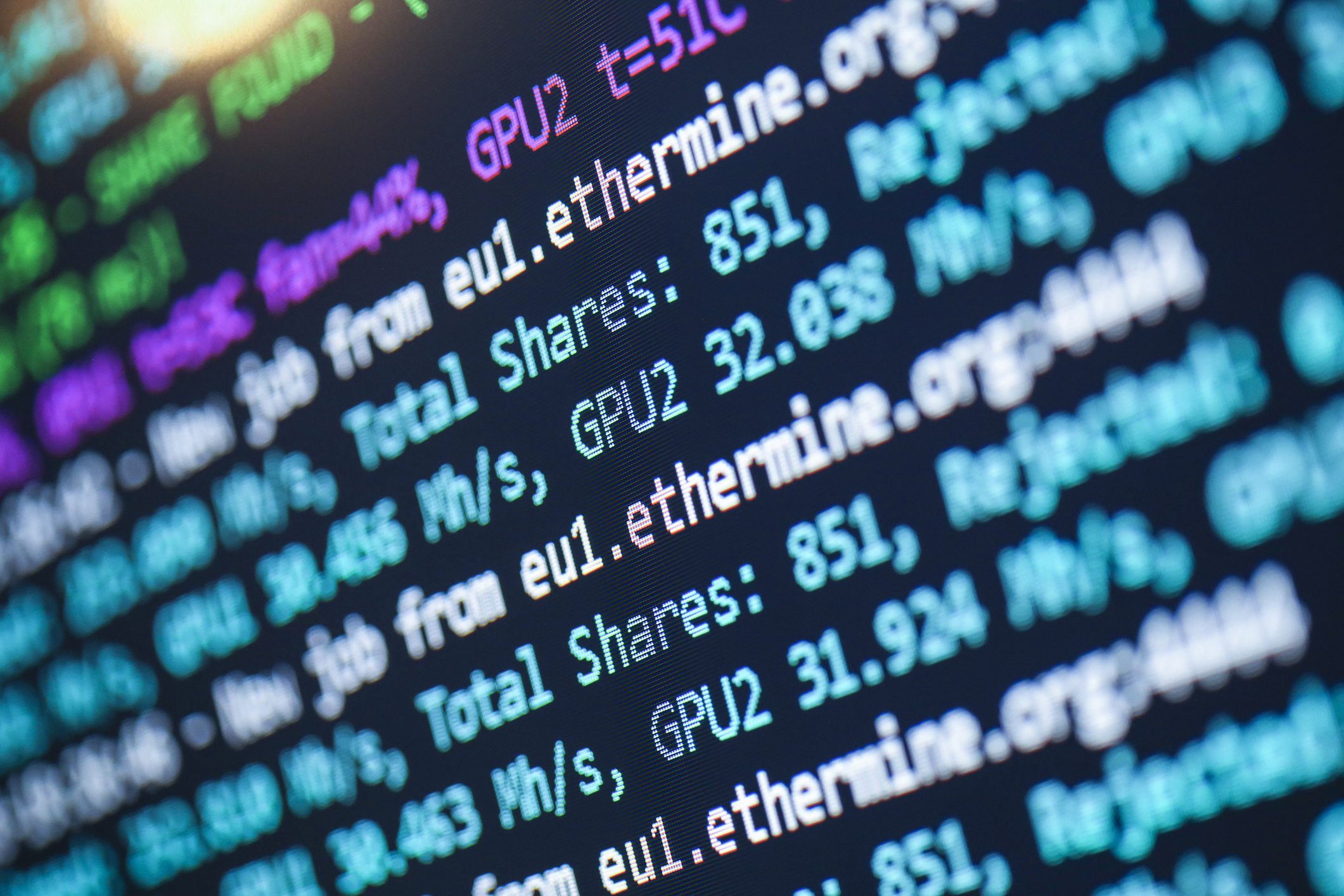
A Canadian citizen was transferred to United States custody on Tuesday after a federal judge approved his extradition on charges that he participated in a large‑scale cryptomining operation that compromised the computer networks of several American universities.
According to an indictment filed by the Justice Department, Ryan James Roach and his alleged co‑conspirator, identified as Mathiew James …, accessed university systems by stealing valid login credentials, then deployed custom malware that turned the institutions’ high‑performance computers into hidden mining rigs for a cryptocurrency.
The scheme relied on the fact that many research campuses operate clusters of powerful processors that can generate significant hashing power. By silently diverting cycles to a mining pool, the attackers could earn digital coins without the universities’ knowledge, while the extra workload went largely undetected amid normal research activity.
Federal investigators say the operation was uncovered after unusual network traffic patterns triggered alerts at one of the affected schools. A joint task force involving the FBI, the U.S. Attorney’s Office, and the Royal Canadian Mounted Police traced the malicious code back to IP addresses linked to the two Canadians, leading to arrests in Ontario earlier this year.
The extradition request, filed by U.S. authorities in the spring, was reviewed by Canada’s Minister of Public Safety and the Federal Court, which concluded that the alleged conduct met the threshold for surrender under the Canada‑U.S. Extradition Treaty. Roach is now awaiting a preliminary hearing in a federal court in Virginia.
Legal experts note that the case could set a precedent for how cross‑border cyber‑crimes are prosecuted, especially those that exploit academic resources for financial gain. Penalties for unauthorized access and fraudulently using computing power can include several years of imprisonment and substantial restitution.
University officials whose networks were breached have pledged to strengthen authentication protocols and increase monitoring of anomalous compute usage. The broader cybersecurity community has warned that the incident underscores the need for tighter controls over privileged credentials and for regular audits of campus‑wide computing assets.
Authorities say the investigation remains ongoing, with prosecutors indicating that additional institutions may have been targeted. They have urged other educational and research organizations to review their security postures and report any suspicious activity promptly.



Comments (0)
Be the first to comment.
Join the discussion