AI Tools Promise to Lighten Penetration Testers’ Documentation Burden
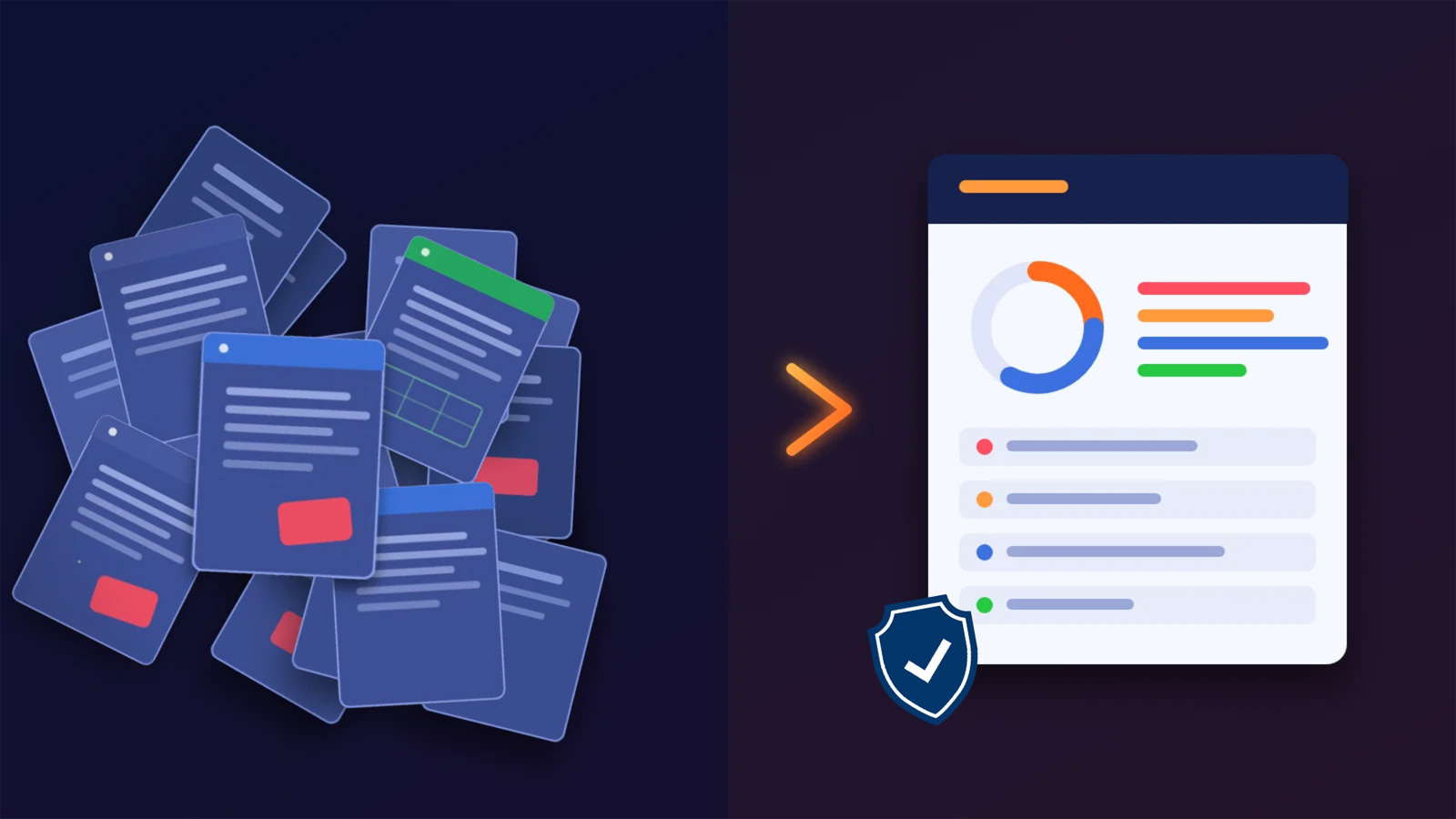
Artificial intelligence platforms are being marketed as a way to cut the administrative load that consumes a large share of penetration testing engagements, allowing security teams to take on more projects without expanding staff.
Industry surveys and internal studies indicate that roughly one‑third to nearly half of a tester’s time is spent drafting findings, formatting reports, and handling repeatable paperwork rather than probing systems for vulnerabilities.
One solution gaining attention is PentestPad, which leverages large language models to auto‑generate executive summaries, technical details, and remediation guidance from raw scan data. The service integrates with a client’s own network storage, ensuring that sensitive logs and credentials never leave the organization’s control.
Proponents argue that keeping the AI engine on‑premises or within a tightly managed cloud enclave addresses data‑privacy concerns that have long hampered the adoption of external analytics tools in regulated sectors such as finance and healthcare.
Early adopters report that the automated reporting pipeline reduces turnaround time by several days, freeing consultants to focus on deeper exploitation and strategic advice. The efficiency gains also translate into lower billable hours for clients, a point that could drive broader market acceptance.
Analysts caution that AI‑generated content still requires human review to avoid misinterpretation or omission of critical details. As the technology matures, standards bodies may introduce guidelines to ensure that automated outputs meet the same rigor as manually crafted assessments.



Comments (0)
Be the first to comment.
Join the discussion