Microsoft Deploys AI‑Driven Integrated SOC to Counter Ultra‑Fast Cyber Threats
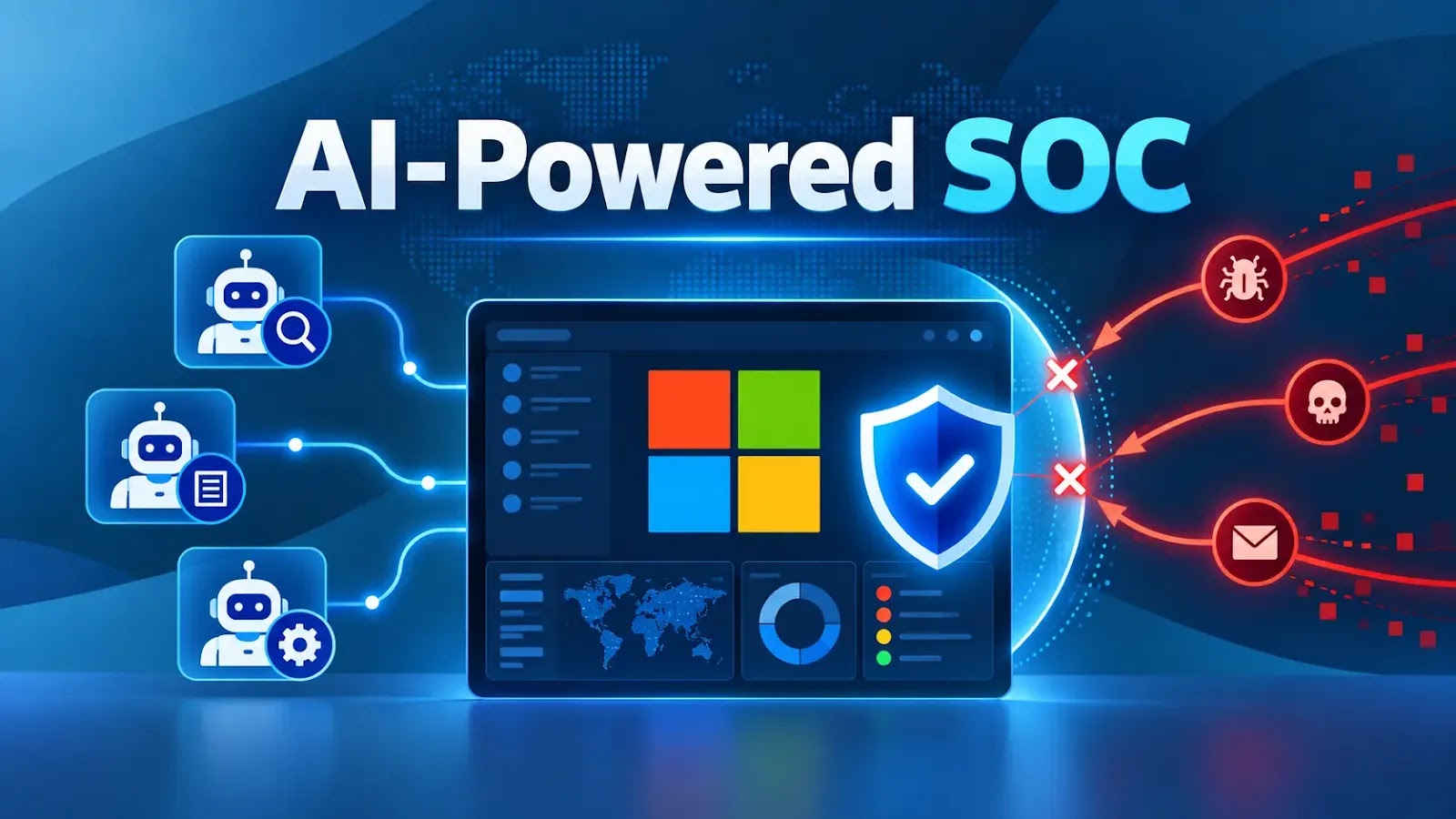
Microsoft announced a major overhaul of its security operations framework, introducing an Integrated Security Operations Center (ISOC) built into the Microsoft Defender suite. The new platform merges traditional security information and event management (SIEM) functions with advanced threat‑protection tools, creating a single environment where artificial‑intelligence agents continuously monitor, analyze, and respond to attacks.
The shift reflects growing concern that conventional security operations centers struggle to keep pace with threats that can propagate across networks in milliseconds. By embedding AI agents that operate at machine speed, Microsoft aims to detect anomalous behavior and initiate containment steps faster than human analysts can intervene.
According to the company, the ISOC leverages large‑language models and other generative AI techniques to correlate data from disparate sources, prioritize alerts, and even suggest remediation actions. The system is designed to reduce the volume of false positives that often overwhelm security teams, allowing analysts to focus on high‑impact incidents.
Microsoft positions the integrated approach as a response to the evolving threat landscape, where ransomware, supply‑chain compromises, and automated exploitation tools are increasingly sophisticated. By unifying SIEM and threat‑protection under a single AI‑assisted interface, the firm hopes to streamline incident response workflows and improve overall resilience for enterprise customers.
Industry observers note that the move aligns with a broader trend toward automation in cybersecurity, as vendors seek to address talent shortages and the sheer scale of data generated by modern networks. While AI can accelerate detection, experts caution that human oversight remains essential to validate findings and manage complex investigations.
Looking ahead, Microsoft plans to expand the ISOC’s capabilities through regular updates to its AI models and deeper integration with other cloud services. The company has not disclosed a rollout timeline, but expects organizations adopting the platform to benefit from a more proactive, continuous defense posture against attacks that operate at unprecedented speeds.



Comments (0)
Be the first to comment.
Join the discussion