Latin America’s Industrial Sectors Grapple with Rising Cyber Threats
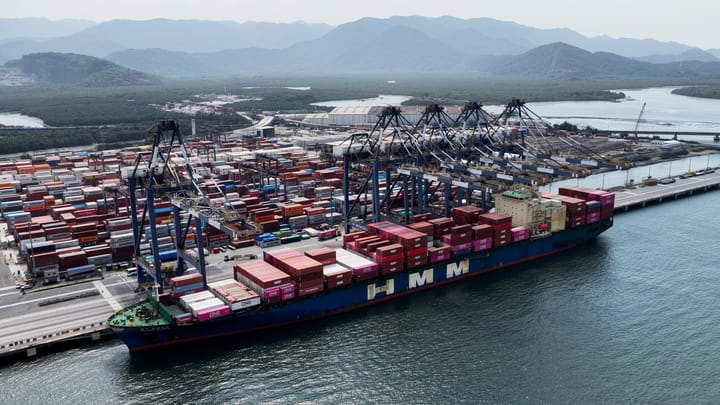
Cyber incidents targeting critical industrial infrastructure are spreading across Latin America, with recent attacks hitting Brazil's Port of Santos, a major oil pipeline in Argentina, and manufacturing facilities in several countries.
The breach at Santos, one of the continent’s busiest container hubs, forced temporary shutdowns of loading equipment and disrupted cargo flows for several days. While officials have not disclosed the exact method of intrusion, investigators say the attackers exploited vulnerabilities in the port’s supervisory control and data acquisition (SCADA) network, a common target for financially motivated groups.
In Argentina, a separate intrusion compromised a pipeline that transports natural gas to the central region. The incident triggered an automatic safety shutdown, halting deliveries and prompting emergency protocols. Energy operators reported that the malicious code attempted to manipulate pressure sensors, a tactic that could have led to unsafe operating conditions if left unchecked.
Manufacturing plants in Mexico, Chile and Colombia have also reported suspicious activity in their production lines, ranging from ransomware demands to unauthorized changes in machinery settings. These events underscore a broader pattern: cyber actors are increasingly focusing on the operational technology (OT) environments that control physical processes, rather than just traditional IT systems.
Regional experts attribute the surge to a combination of factors. Legacy equipment, often running outdated software, provides an attractive entry point, while the rapid digitization of supply chains has expanded the attack surface. Additionally, the proliferation of ransomware-as-a-service kits lowers the barrier for less sophisticated groups to launch high‑impact assaults.
Governments and industry groups are responding with coordinated measures. Brazil’s Ministry of Infrastructure announced a task force to audit port cybersecurity, and Argentina’s energy regulator is drafting new mandatory standards for pipeline monitoring systems. At the same time, the Latin American Association of Information Security (ALSI) has launched a knowledge‑sharing platform to help companies adopt best practices for OT hardening.
International cybersecurity firms are also stepping in, offering incident‑response services and threat‑intelligence feeds tailored to the region’s industrial sector. Their presence reflects a growing recognition that protecting physical infrastructure from digital threats is now a cross‑border priority.
As the trend continues, analysts warn that the economic repercussions could extend beyond temporary shutdowns. Disruptions to ports and energy corridors threaten trade balances, while manufacturing downtime can erode competitiveness in global markets. Stakeholders say that sustained investment in resilience, regular patching cycles, and employee training will be essential to curb the momentum of these attacks and safeguard the region’s vital economic arteries.



Comments (0)
Be the first to comment.
Join the discussion