Camera Tracking Gains Momentum as Creators Seek More Dynamic Video Content
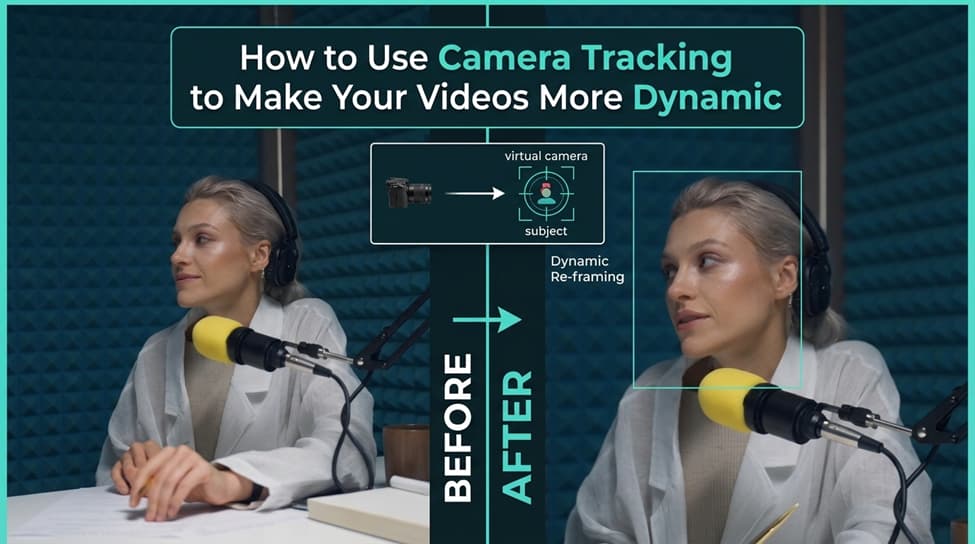
Filmmakers and online creators are turning to camera tracking technology to inject motion, depth and visual interest into their productions, a trend that is reshaping how videos are edited and presented across platforms.
Camera tracking, sometimes called motion tracking, involves analyzing footage to map the movement of a real‑world camera and then applying that data to virtual elements. Modern software can generate a three‑dimensional representation of a scene from a two‑dimensional clip, allowing graphics, text or effects to follow the same perspective and motion as the original footage.
Practically, the technique enables a range of enhancements: titles can appear to float in space, animated graphics can be anchored to moving objects, and virtual sets can replace or augment physical backgrounds without the need for expensive green‑screen rigs. Even simple post‑production stabilization can be achieved by reverse‑engineering the camera’s path and smoothing it out, resulting in steadier shots that retain a natural feel.
Industry observers note that the ability to add such movement without additional hardware lowers barriers for independent creators who want a polished look. By automating perspective matching, camera tracking reduces the time spent manually key‑framing elements, freeing up resources for storytelling and content strategy.
As the tools become more user‑friendly and integrate with popular editing suites, experts expect wider adoption across everything from short‑form social media clips to longer documentary pieces. Creators are advised to experiment with basic tracking workflows, keep an eye on software updates, and consider how motion‑based effects can serve the narrative rather than distract from it.



Comments (0)
Be the first to comment.
Join the discussion