GlassWorm Hijacks VS Code Color Themes to Distribute Malware via Extension Repositories
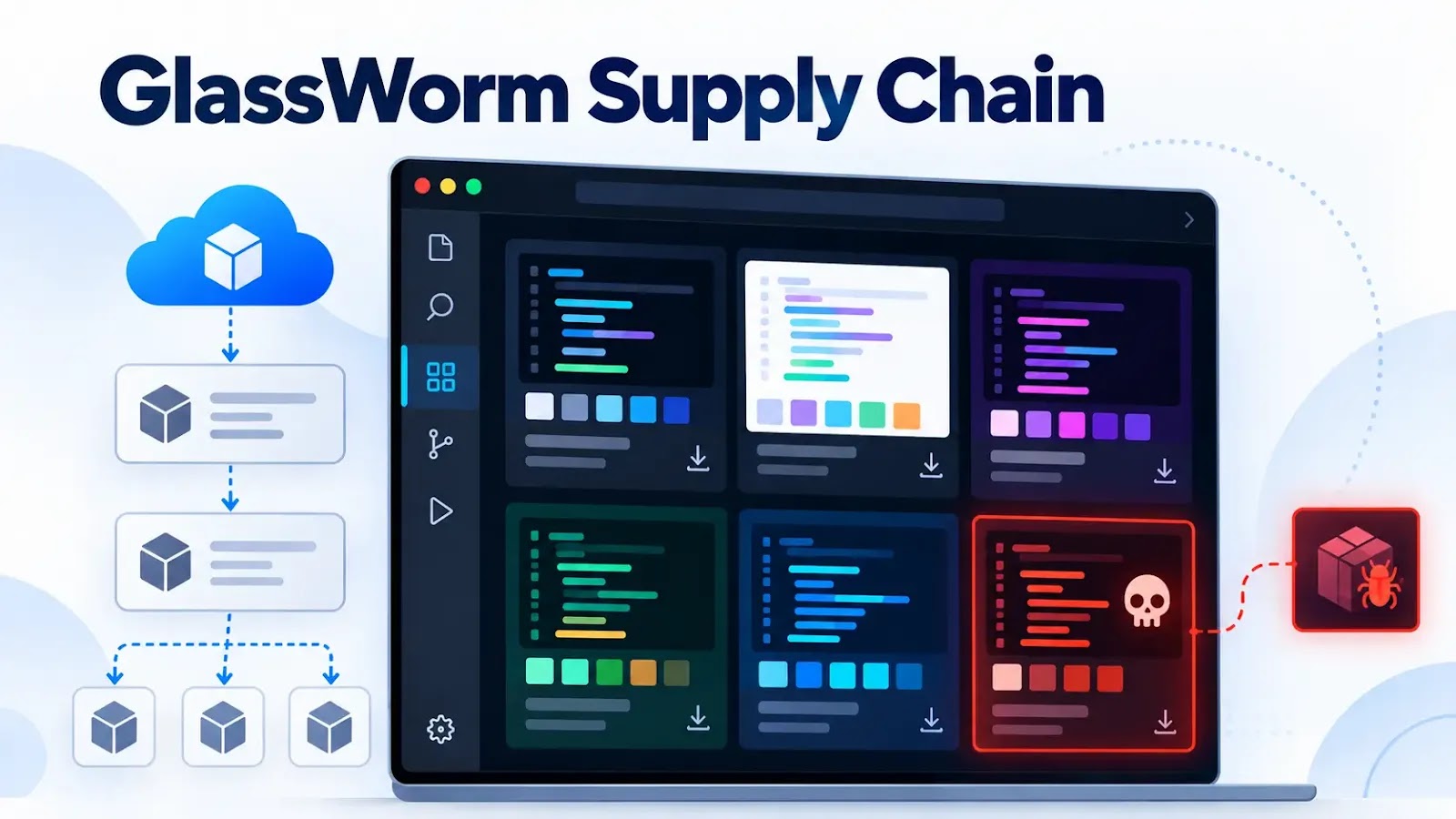
Security researchers have identified a new software‑supply‑chain operation that embeds malicious code within Visual Studio Code color‑theme extensions, a tactic attributed to the threat group known as GlassWorm. The compromised themes have been published to both the official Visual Studio Marketplace and the community‑run Open VSX Registry, allowing the payload to reach a broad base of developers.
The attack leverages the fact that theme extensions are typically considered low‑risk because they only alter the editor's appearance. In reality, the malicious packages contain hidden loader scripts that execute after the theme is installed, pulling additional malicious components from remote servers. By disguising the payload as a harmless UI tweak, the actors avoid immediate detection by users and automated scanners that focus on more overtly functional extensions.
Technical analysis shows that the malicious loaders are packaged as standard JavaScript files within the extension's source bundle. When VS Code activates the theme, the loader runs in the editor's extension host process, granting it the same permissions as legitimate extensions. This level of access enables the code to download and execute further malware, potentially giving attackers persistence on the compromised development machine.
GlassWorm has previously been linked to supply‑chain compromises that target build tools and package managers, using trusted distribution channels to spread malicious code. The choice of color‑theme extensions marks a shift toward exploiting assets that receive minimal scrutiny, underscoring the group's adaptability and the broader challenge of securing open‑source ecosystems where contributions are abundant and vetting resources are limited.
Developers who have installed any of the affected themes may be at risk of unwanted code execution, data exfiltration, or further compromise of development environments. Experts advise users to review recently added extensions, verify publishers against official sources, and consider removing any unfamiliar themes. Keeping VS Code and its extensions up to date, along with employing security tools that monitor extension behavior, can mitigate the impact of such attacks.
The incident has prompted calls for tighter review processes on both the Visual Studio Marketplace and the Open VSX Registry. Platform maintainers are reportedly working to purge the malicious packages and improve automated detection of hidden loaders. As supply‑chain threats continue to evolve, the security community emphasizes the need for ongoing vigilance, transparent reporting, and collaborative defenses across the software development supply chain.



Comments (0)
Be the first to comment.
Join the discussion