Cyber Director Stresses Public‑Private Partnership to Tackle AI Threats and Keep Pace with Global Rivals
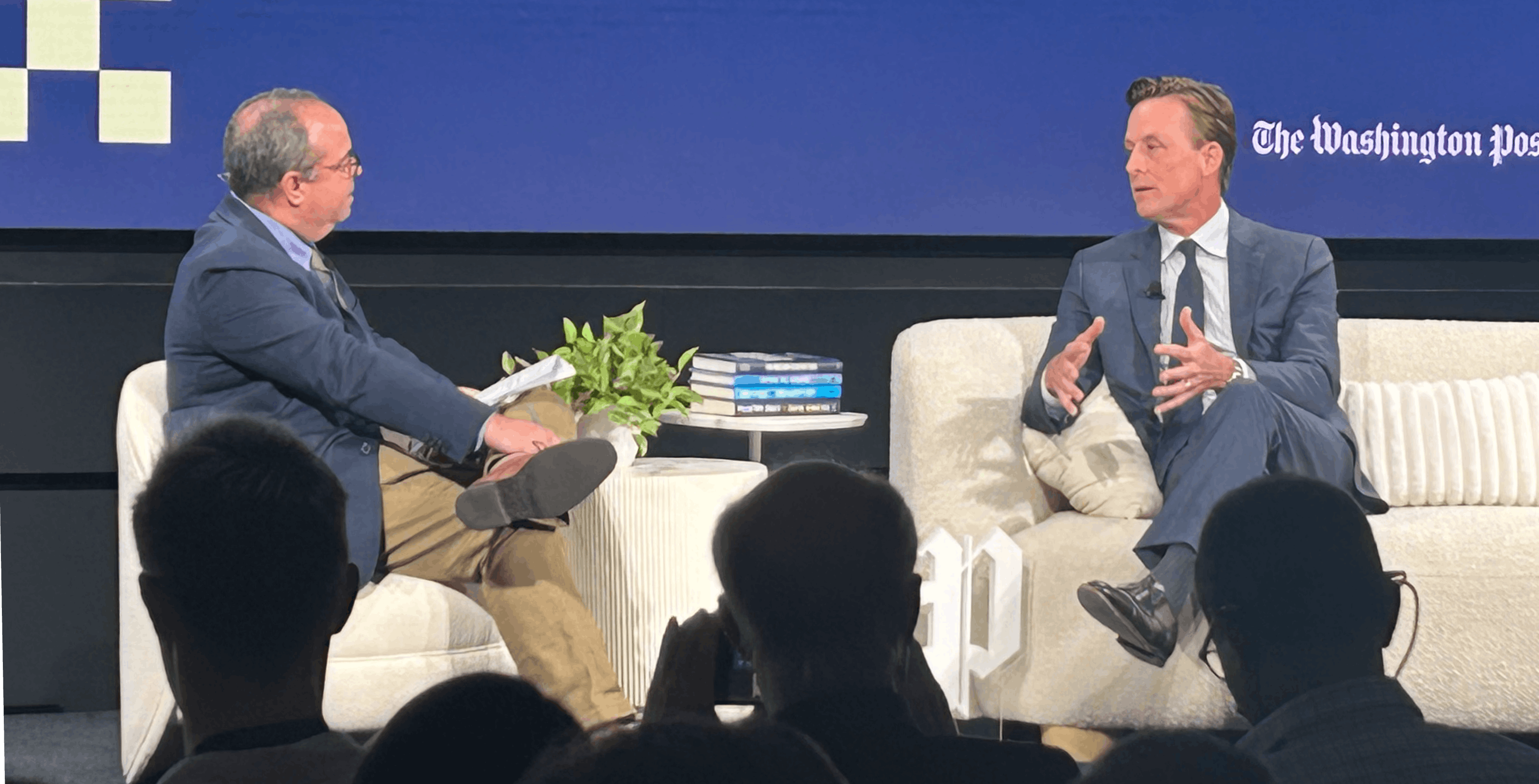
National Cyber Director Sean Cairncross told reporters Thursday that the United States must deepen its cooperation with the private sector to manage the dual‑edged nature of artificial intelligence, balancing its security risks against its economic promise while staying ahead of China and other strategic competitors.
Cairncross emphasized that industry expertise and resources are essential for identifying vulnerabilities in AI systems, developing mitigation strategies, and ensuring that innovations are deployed responsibly. He warned that without a coordinated effort, the rapid diffusion of generative models and autonomous tools could outpace existing safeguards, creating openings for malicious actors.
The call for collaboration comes as the Trump administration confronts growing scrutiny from members of Congress who argue that the government’s approach to AI governance lacks transparency and adequate oversight. Lawmakers from both parties have raised concerns about the pace of policy development, the adequacy of funding for research, and the need for clearer standards that protect national security without stifling innovation.
In response, the White House has outlined a series of initiatives aimed at aligning federal objectives with industry capabilities. These include the formation of joint task forces, the sharing of threat intelligence, and the establishment of pilot programs that test security‑by‑design principles in emerging AI products. The administration also plans to convene regular roundtables with leading technology firms to track developments and coordinate rapid‑response actions when threats emerge.
Experts note that the United States faces a strategic challenge from China, which has made AI a centerpiece of its national security strategy. Chinese state‑backed entities are investing heavily in AI research, and Beijing’s push to integrate AI across military and civilian sectors has raised alarm in Washington. Cairncross argued that a robust public‑private partnership can help the U.S. retain its technological edge by leveraging commercial innovation while embedding security considerations from the outset.
Looking ahead, the cyber director signaled that the government will seek legislative support to secure sustained funding for AI security research and to formalize mechanisms for industry collaboration. He also indicated that upcoming policy drafts will address data privacy, model verification, and supply‑chain resilience, all aimed at creating a comprehensive framework that can adapt to the fast‑evolving AI landscape. As the dialogue between Capitol Hill, the executive branch, and tech firms intensifies, the success of these efforts will likely shape the United States’ ability to harness AI’s benefits while mitigating its risks in an increasingly competitive global environment.


Comments (0)
Be the first to comment.
Join the discussion