Court Order Strips Radaris of Key Domains Amid New Jersey Privacy Lawsuit
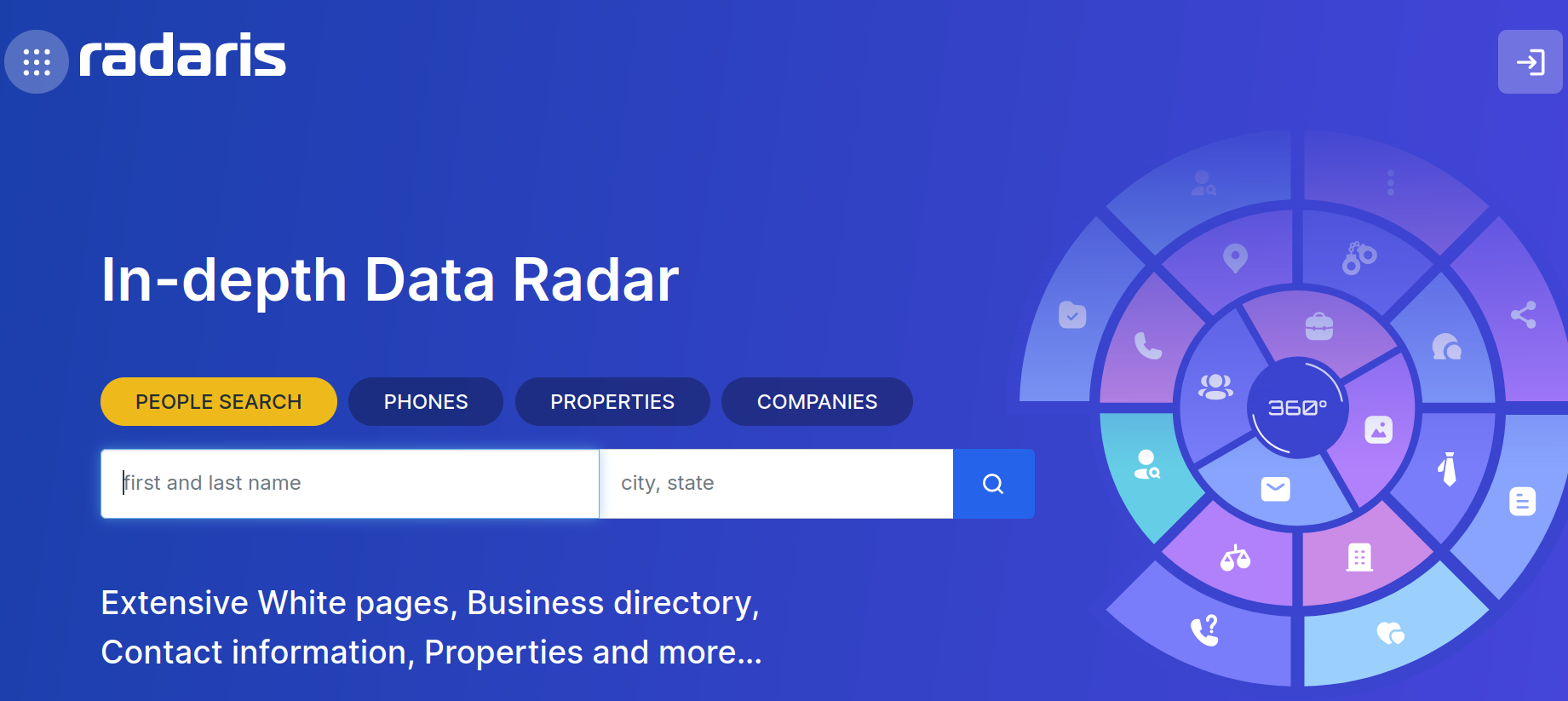
A federal judge in New Jersey has ordered that several internet domains used by Radaris, a large consumer‑data aggregation service, be transferred away from the company, marking a rare enforcement action against a data broker that has long resisted privacy removal requests.
Radaris operates a network of people‑search sites that compile publicly available information—such as addresses, phone numbers and employment history—into searchable profiles. Critics and privacy advocates have repeatedly complained that the firm makes it difficult for individuals to request that their data be taken down, and that it often ignores or delays such opt‑out requests.
The court’s decision stems from a lawsuit filed by a New Jersey resident who alleged that Radaris breached the state’s Consumer Data Privacy Act by failing to honor a valid removal request and by continuing to display the plaintiff’s personal details without consent. The plaintiff argued that the company’s practices exposed individuals to identity theft and unwanted solicitation.
In its ruling, the judge found sufficient evidence that Radaris had not complied with the statutory requirements and ordered the transfer of the disputed domains—including radaris.com and several affiliated URLs—to a neutral third‑party custodian pending further proceedings. The order effectively removes the sites from public view and prevents the company from using the domains to host its searchable database.
Legal experts say the move could signal a shift toward more aggressive enforcement of state privacy statutes against data brokers, many of which operate in a legal gray area. By targeting the digital infrastructure that powers the services, regulators may compel firms to adopt more transparent opt‑out mechanisms or face similar domain seizures.
Radaris has indicated that it will appeal the decision and is reviewing its compliance procedures. The outcome of the appeal could set a precedent for how courts address the balance between publicly sourced information and individual privacy rights, a debate that is gaining momentum as more states adopt comprehensive data‑protection laws.



Comments (0)
Be the first to comment.
Join the discussion