U.S. Cyber Defense Plan Misses Critical Military Logistics Amid Ongoing Iran Tensions
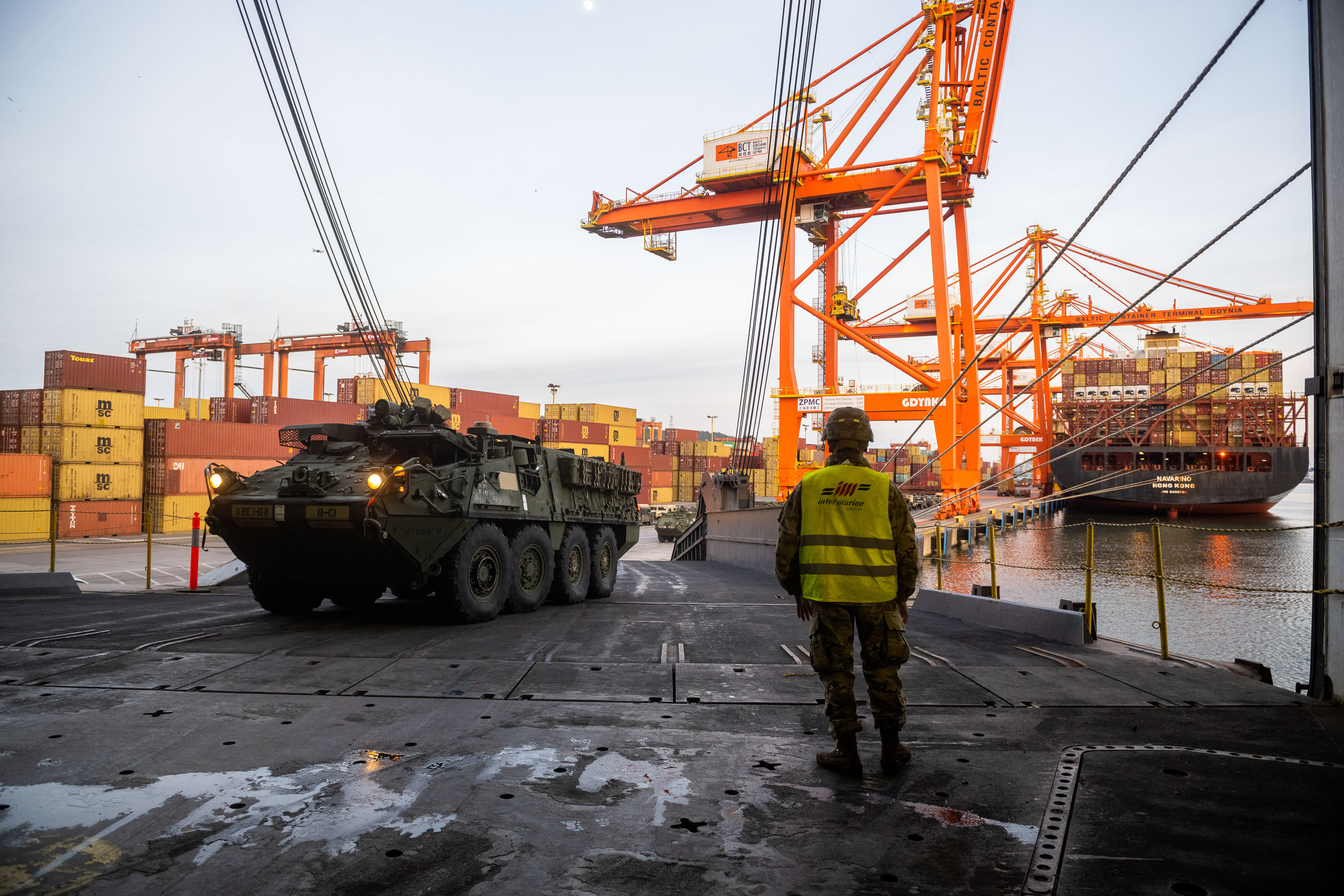
The United States’ current cyber‑defense blueprint focuses heavily on protecting digital networks, yet it largely sidesteps the physical logistics infrastructure that moves troops, equipment, and fuel—an oversight that could prove costly as the conflict with Iran drags on.
Analysts note that while Washington invests heavily in shielding command‑and‑control systems, it has devoted comparatively little attention to hardening ports, rail corridors, and pipeline routes that are essential for sustaining military operations overseas. Those arteries, they argue, are vulnerable to both cyber intrusion and kinetic disruption, especially in a theater where Iran retains the capacity to threaten the Strait of Hormuz, a chokepoint through which a sizable share of global oil shipments passes.
The protracted nature of the Iran‑U.S. standoff amplifies the risk. Iran’s unpredictable tactics—ranging from deploying naval mines to leveraging asymmetric cyber tools against commercial vessels—have already rattled energy markets and underscored the strategic importance of maritime logistics. If hostile actions were to impair the flow of fuel or materiel through the Gulf, the U.S. military would need to rely on alternative, often slower, land‑based routes that are currently under‑protected from cyber threats.
Defense planners are beginning to acknowledge the gap. Recent internal briefings have highlighted the need for a more integrated strategy that couples cyber resilience with physical security measures for transport hubs. Such an approach would involve coordinated investments in redundant routing, hardened communications for logistics networks, and joint exercises that simulate combined cyber‑physical attacks on supply lines.
Looking ahead, experts suggest that a recalibrated cyber policy should incorporate risk assessments of critical logistics nodes, prioritize funding for protective technologies at ports and rail yards, and foster closer collaboration between the Department of Defense, the Department of Homeland Security, and private sector operators that own much of the nation’s transport infrastructure. Until those steps are taken, the United States may find its ability to project power—and sustain it—hampered by an Achilles’ heel that lies outside the digital realm.



Comments (0)
Be the first to comment.
Join the discussion