Study of 367,000 Vessels Reveals Widespread GPS Spoofing, Including Early Red Sea Signals Ahead of MSC Grounding
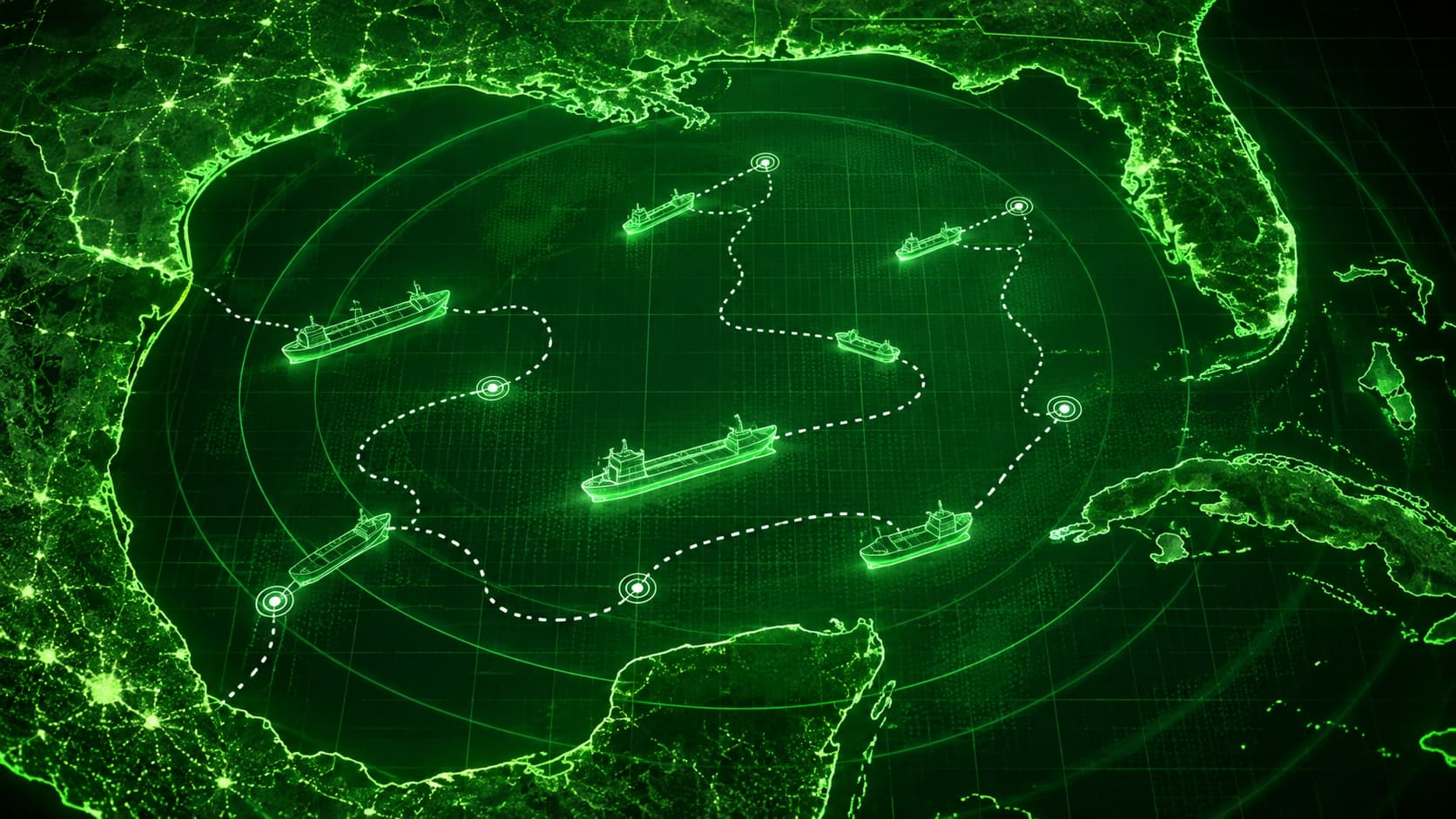
A comprehensive analysis of maritime navigation data from 367,000 commercial ships has uncovered evidence of deliberate GPS signal manipulation on a global scale, researchers reported. The study, which examined vessel tracks over several years, identified numerous instances where reported positions conflicted with expected routes, a hallmark of GPS spoofing.
Among the most striking findings was a cluster of suspicious activity in the Red Sea that predated a high‑profile grounding involving a vessel operated by Mediterranean Shipping Company (MSC). The anomalous signals were detected months before the incident, suggesting that spoofing may have been used to mask the ship's true location or to create confusion for monitoring systems.
GPS spoofing, the transmission of counterfeit satellite navigation data, has become a growing concern for the shipping industry, which depends on precise positioning for safe navigation, fuel efficiency, and compliance with international regulations. While the technology can be employed for legitimate testing, malicious actors have increasingly exploited it to conceal illicit activities, evade sanctions, or disrupt commercial operations.
The researchers employed a cross‑referencing method that compared Automatic Identification System (AIS) reports with expected maritime traffic patterns and known navigational waypoints. Discrepancies that could not be explained by normal signal loss or equipment error were flagged as potential spoofing events. The sheer volume of vessels analyzed gave the study enough statistical power to identify both isolated incidents and broader regional trends.
Security experts say the Red Sea findings are especially troubling given the waterway’s strategic importance for global trade and its recent history of conflict and piracy. Early detection of spoofing could provide authorities with a valuable tool to intervene before a navigation error leads to accidents or environmental damage, as may have been the case with the MSC grounding.
Industry groups and maritime regulators are now calling for stronger safeguards, including enhanced verification of AIS data, mandatory reporting of navigation anomalies, and the development of resilient anti‑spoofing technologies. As the study demonstrates, the vulnerability is not confined to a single region; it is a worldwide issue that will likely prompt renewed collaboration between shipping companies, satellite providers, and security agencies to protect the integrity of maritime navigation.



Comments (0)
Be the first to comment.
Join the discussion