Leaked Files Uncover Secret Bauman University Unit Training GRU Cyber Operatives

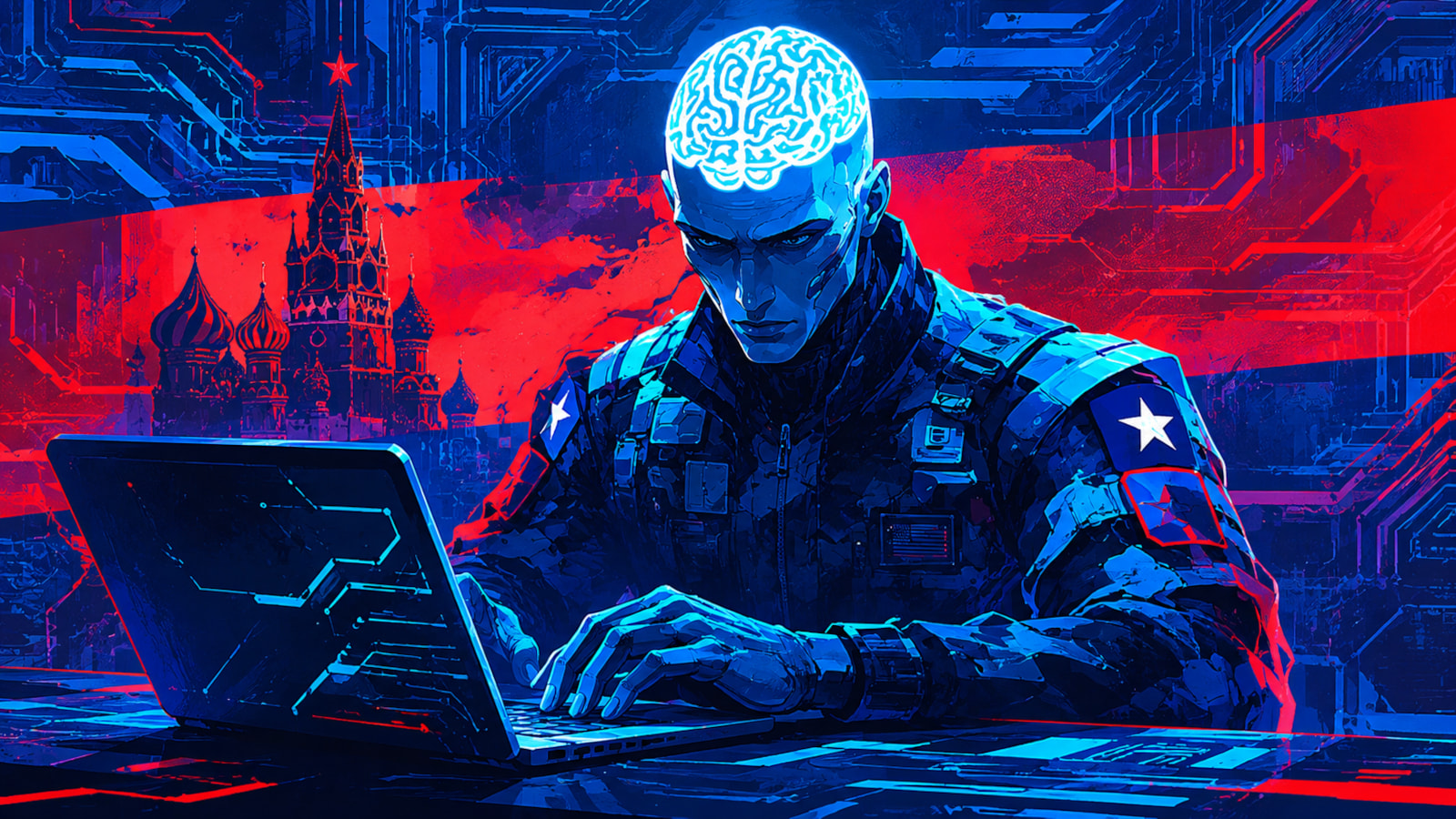
A cache of roughly two thousand internal documents has shed light on a clandestine program at Moscow's Bauman Moscow State Technical University, revealing a hidden Department No. 4 that allegedly prepared engineering students for roles within Russia's military intelligence cyber apparatus.
The material, first reported by the cybersecurity outlet Security Affairs, appears to have been obtained from an undisclosed source familiar with the university's archives. The files include curricula, enrollment lists, and internal memoranda that describe a structured pathway from academic coursework to operational duties for the GRU.
According to the documents, Department No. 4 operated under the veneer of a standard engineering faculty while offering specialized training in network intrusion techniques, malware development, and information‑operations tactics. Students were reportedly evaluated on both technical proficiency and ideological alignment, with successful graduates earmarked for placement in units linked to the GRU's cyber‑warfare divisions.
Names of several alumni surface in the records, connecting them to the notorious hacking collectives known as APT28 and Sandworm. These groups have been implicated in high‑profile campaigns ranging from electoral interference to attacks on critical infrastructure in Europe and the United States. The leaked files suggest that the university program supplied technical expertise and propaganda skills that fed directly into those operations.
The revelation fits a broader pattern observed by analysts, who note that Russian intelligence agencies have long leveraged higher‑education institutions to recruit technically adept personnel. By embedding training within respected universities, the GRU can tap a steady stream of talent while maintaining plausible deniability about the origins of its cyber forces.
Western security agencies are likely to view the disclosures as a catalyst for reassessing threat models that attribute sophisticated cyber attacks to state‑sponsored actors. The explicit link between a civilian university and elite hacking units underscores the depth of state involvement in cyber capabilities, potentially prompting diplomatic pressure and sanctions aimed at curbing such recruitment pipelines.
Russian authorities have not publicly responded to the leaks, and the university has declined comment. Meanwhile, researchers and policymakers are calling for closer scrutiny of academic partnerships that may serve intelligence purposes, as well as for international cooperation to monitor and disrupt the pipeline from classroom to cyber battlefield.

Comments (0)
Be the first to comment.
Join the discussion