Enterprises Weigh Employee‑Based vs. App‑Based Pricing in the 2026 SSPM Landscape
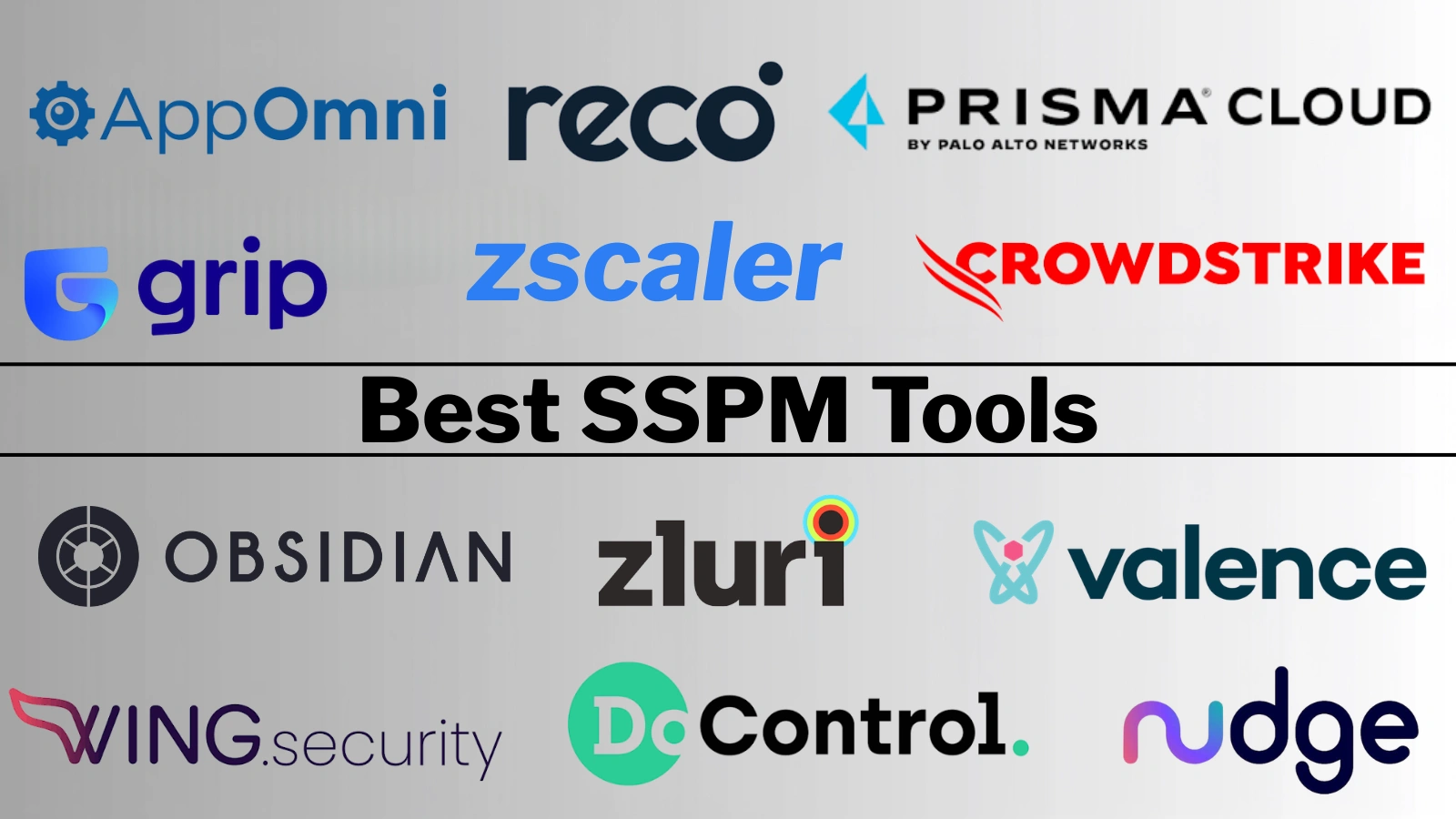
Companies evaluating SaaS Security Posture Management (SSPM) solutions in 2026 face a fundamental pricing decision: pay per employee or per connected application. The former offers a predictable cost line but can become expensive for organizations with large workforces, while the latter scales with the number of SaaS tools in use, potentially penalizing firms with extensive cloud app portfolios.
The pricing dichotomy reflects the varied shapes of modern IT estates. Firms with lean headcounts but a broad array of SaaS services may find per‑app models more economical, whereas enterprises with sizable staff and a more consolidated app set often benefit from per‑employee rates. Analysts note that the optimal choice hinges on a company’s specific usage patterns rather than a one‑size‑fits‑all approach.
Among the leading vendors, AppOmni and Obsidian Security are positioning their offerings toward large‑scale enterprises, emphasizing deep integration capabilities and comprehensive policy enforcement across complex environments. Both providers highlight features such as granular risk scoring, automated remediation, and extensive reporting that cater to organizations seeking enterprise‑grade control.
CrowdStrike’s Adaptive Shield, meanwhile, has shifted its focus toward a hybrid pricing structure that blends elements of both employee and app metrics. This approach aims to address the pain points of customers who experience rapid SaaS adoption while maintaining a stable budgeting framework. The move underscores a broader industry trend toward flexible billing that aligns with evolving cloud consumption patterns.
Industry observers caution that pricing is only one facet of the SSPM decision. Effectiveness in identifying misconfigurations, ease of deployment, and integration with existing security stacks remain critical evaluation criteria. As the market matures, vendors are expected to refine their pricing models further, potentially introducing tiered or usage‑based options that reflect the nuanced realities of SaaS security management.



Comments (0)
Be the first to comment.
Join the discussion