Native Cloud Key Management Leads the Pack in 2026 Encryption Landscape
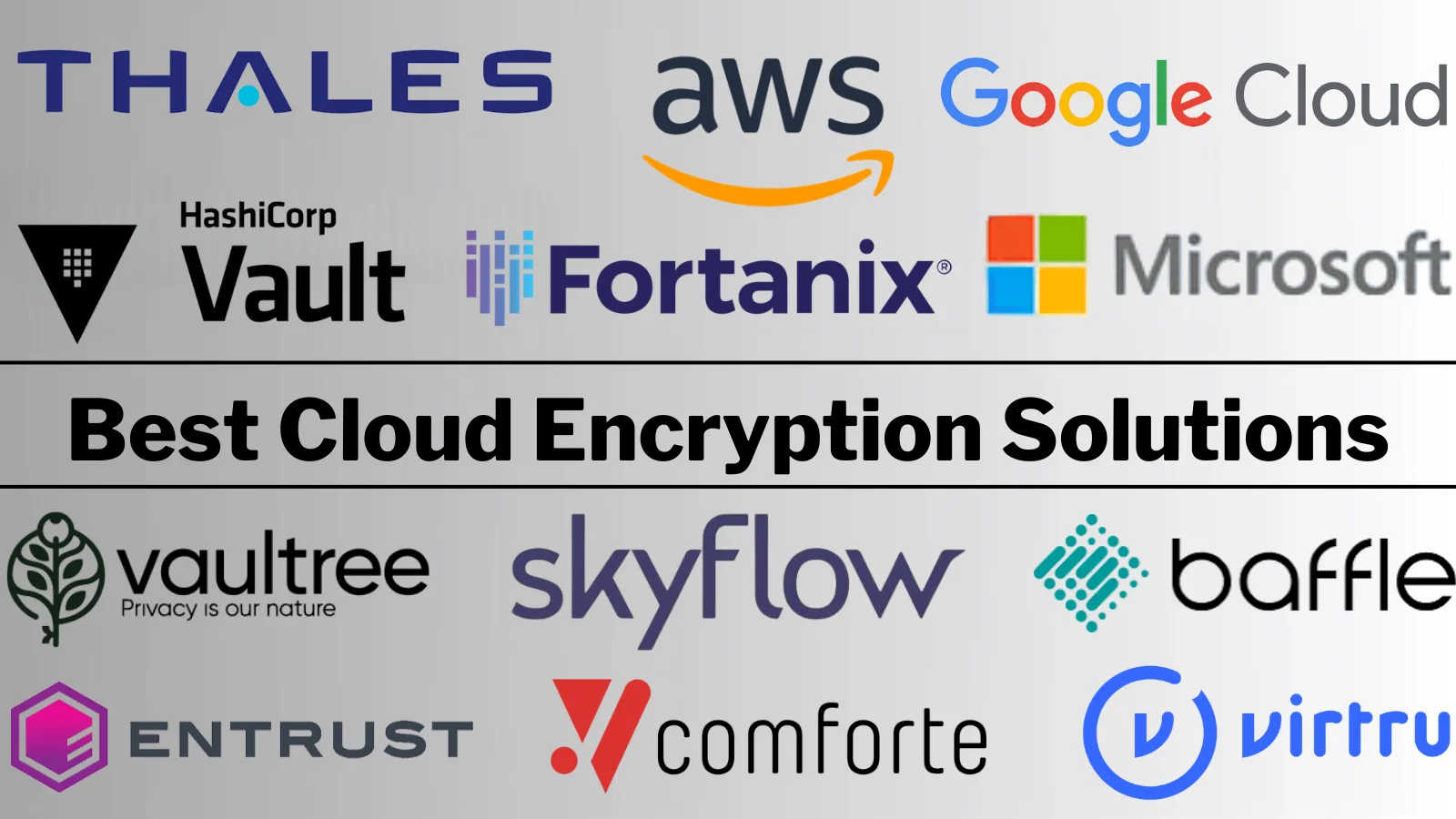
As organizations continue to migrate critical workloads to public clouds, a fresh analysis of encryption tools underscores that built-in key management services from the major providers remain the most practical entry point for securing data both at rest and in motion.
The review, which examined twelve cloud encryption offerings available in 2026, highlights Amazon Web Services' KMS, Microsoft Azure's Key Vault, and Google Cloud's KMS as the front-runners for most enterprises. All three services charge by usage, integrate natively with their respective storage and compute platforms, and publish transparent pricing tables, making cost estimation straightforward for IT budgets.
Third‑party encryption platforms—ranging from dedicated hardware security modules offered as a service to software‑only key vaults—provide additional features such as multi‑cloud key portability, custom policy engines, and advanced audit trails. However, the analysis notes that these benefits often come with higher price points and extra configuration overhead, which can deter smaller teams or those without mature security operations.
Beyond the technical comparison, the report stresses why robust encryption is no longer optional. Data‑in‑transit and data‑at‑rest protections are foundational to compliance frameworks like GDPR, CCPA, and industry‑specific mandates such as HIPAA and PCI‑DSS. Failure to encrypt properly can expose organizations to regulatory fines and reputational damage, especially as cyber‑crime groups increasingly target mis‑configured cloud buckets.
Looking ahead, analysts anticipate that cloud providers will deepen their native encryption capabilities, potentially bundling more advanced key rotation, automated secret injection, and tighter integration with zero‑trust networking. For now, the consensus remains clear: starting with the provider’s own key management service offers a low‑friction, cost‑effective baseline, while more specialized solutions can be layered on as security needs evolve.



Comments (0)
Be the first to comment.
Join the discussion