Software Supply Chain Risks Undermine Trust in AI Agents
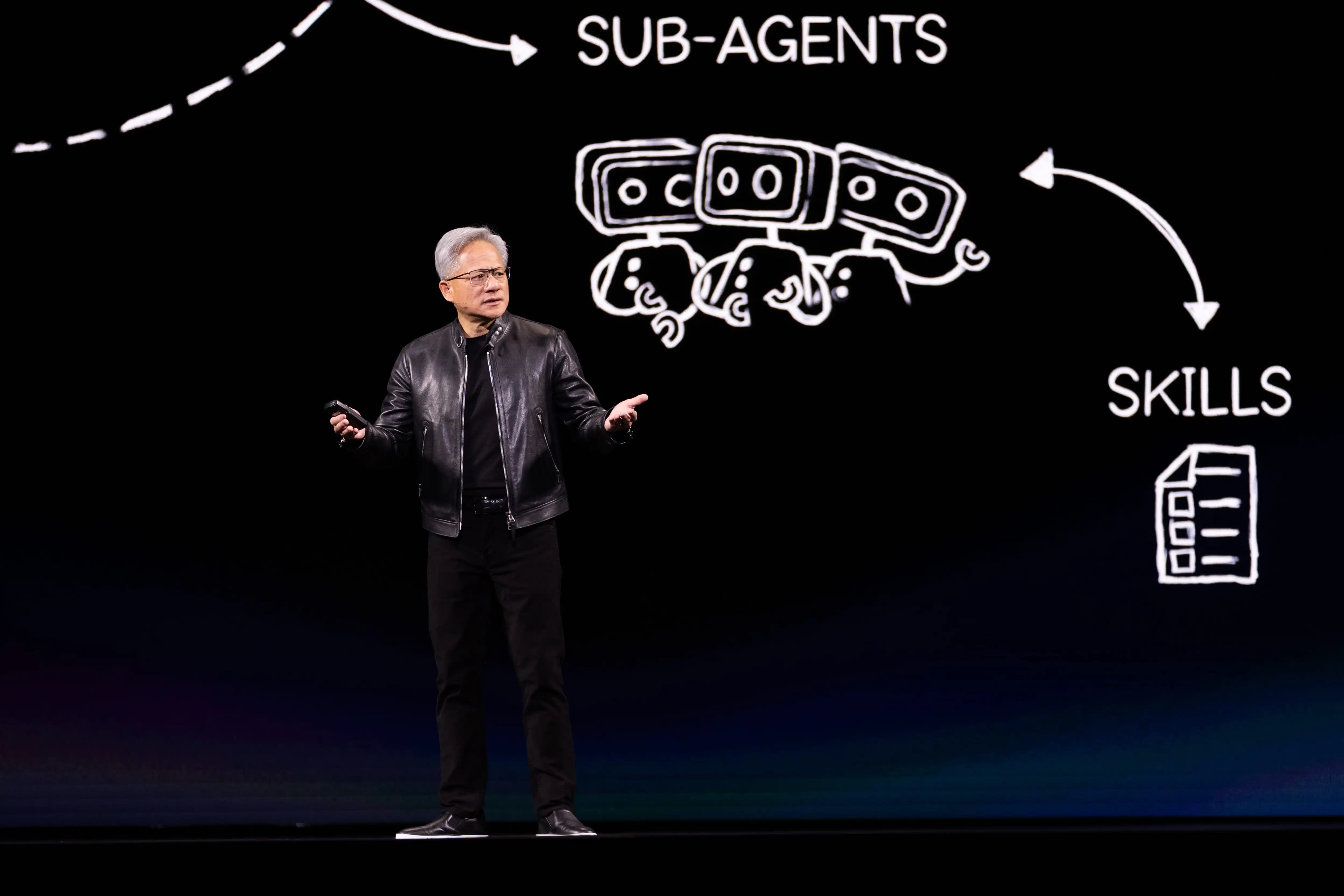
Recent incidents involving artificial intelligence agents have highlighted a common vulnerability: most breaches originated from compromised software components rather than flaws in the underlying models themselves.
Over the past year, a series of high‑profile failures—ranging from unexpected behavior in chatbots to unauthorized data exfiltration—were traced back to third‑party libraries, container images, or update packages that were integrated into the agents' deployment pipelines.
The first widely reported case, which sparked a surge of similar alerts during the summer, involved an AI assistant that downloaded a seemingly innocuous update. Security analysts later discovered that the update carried malicious code, allowing attackers to hijack the system and manipulate the agent's responses.
Experts say the pattern reflects a broader issue in the AI ecosystem: developers often prioritize model performance while overlooking the integrity of the surrounding software stack. Open‑source packages, dependency managers, and continuous‑integration tools can become attack vectors if not rigorously vetted.
Industry observers note that the problem is not limited to any single platform or vendor. Both startups and established tech firms have reported supply‑chain compromises, underscoring the need for standardized security practices across the board.
Moving forward, analysts recommend adopting measures such as reproducible builds, signed artifacts, and automated vulnerability scanning. Regulatory bodies are also beginning to consider guidelines that would hold organizations accountable for the safety of the entire AI delivery pipeline, not just the model itself.



Comments (0)
Be the first to comment.
Join the discussion