Windows Botnet x47.c Leverages AI API Drainage and Multi‑Vector Attacks, Researchers Reveal

Security firm Qrator has identified a new Windows‑based botnet, designated x47.c, that markets itself as capable of draining artificial‑intelligence APIs while supporting a broad suite of malicious functions. The discovery, first reported by Infosecurity Magazine, highlights the botnet's claim to offer up to 18 distinct attack methods, ranging from credential harvesting to proxy services.
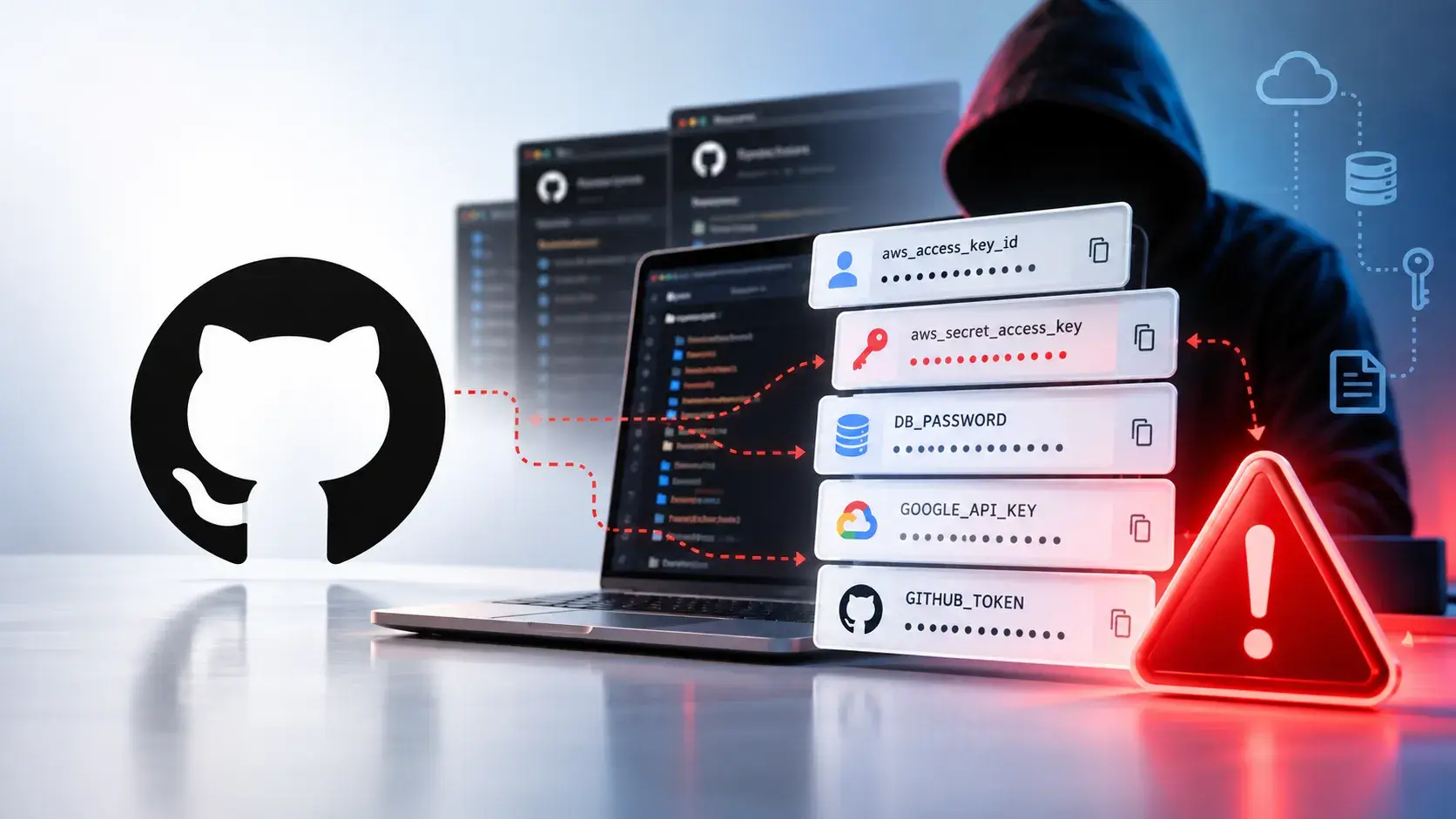
The x47.c network is being promoted on underground forums as a turnkey solution for cybercriminals seeking to monetize compromised machines. Advertisements stress its ability to siphon usage credits from popular AI services, a novel twist that reflects the growing commercial value of generative‑AI platforms. By exploiting API keys left exposed on infected hosts, the botnet can generate revenue for its operators while depleting victims' API quotas.
Beyond the AI‑draining feature, the botnet incorporates traditional capabilities such as credential theft, enabling attackers to capture login data for a variety of services. It also offers SOCKS5 proxy functionality, allowing malicious actors to route traffic through compromised Windows systems and obscure their origin. The combination of these tools equips operators with a flexible toolkit for espionage, fraud, and further distribution of malware.
Botnets targeting Windows environments have long been a staple of cybercrime, but the integration of AI‑related monetization signals a shift in attacker incentives. As enterprises and developers increasingly rely on cloud‑based AI APIs, the value of unauthorized access to those services has risen sharply. Researchers note that this trend may spur more malware developers to embed similar API‑draining modules, expanding the economic appeal of botnet operations.
The emergence of x47.c raises concerns for both individual users and organizations that run AI workloads. Unauthorized API consumption can lead to unexpected billing spikes, while credential leakage may expose sensitive corporate data. Moreover, the botnet's proxy capability can facilitate additional illicit activity, such as credential stuffing or bypassing geo‑restrictions, compounding the threat landscape.
Qrator advises immediate remediation steps, including thorough scanning for unknown Windows processes, revoking and rotating API keys, and enforcing multi‑factor authentication for all privileged accounts. The firm continues to monitor the botnet's infrastructure and is collaborating with industry partners to disrupt its command‑and‑control channels. As investigators piece together the botnet's architecture, security professionals are urged to stay vigilant against this evolving blend of traditional malware functions and AI‑centric profit motives.

Comments (0)
Be the first to comment.
Join the discussion