Caribbean Cyber Exploits Highlight Growing Global Vulnerabilities
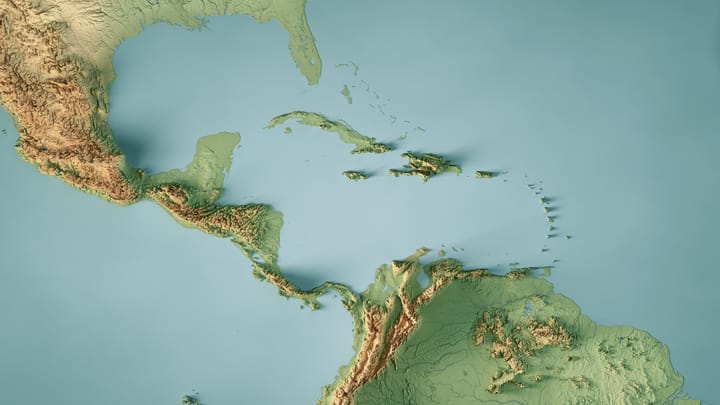
Recent cyber incidents originating in the Caribbean have underscored a broader trend: as malicious tools evolve at a rapid pace, the region’s capacity to guarantee robust digital defenses lags behind, creating ripples that extend far beyond its borders.
Security analysts have observed a spike in the number of sophisticated malware strains and ransomware campaigns targeting small‑to‑medium enterprises, government agencies, and critical infrastructure across islands such as Jamaica, the Dominican Republic, and Trinidad and Tobago. While the attacks themselves are not unprecedented, the speed at which threat actors adapt existing code and deploy new variants has outstripped the pace of defensive upgrades in many Caribbean jurisdictions.
Limited budgets, a shortage of trained cybersecurity personnel, and fragmented regulatory frameworks contribute to an environment where assurance—formal verification that systems are protected—remains uneven. In several cases, organizations rely on outdated antivirus solutions and ad‑hoc patching processes, leaving exploitable gaps that attackers can quickly leverage.
Because digital supply chains are increasingly interwoven, a breach in one Caribbean entity can cascade into larger networks. For example, compromised service providers that support multinational corporations can transmit malicious payloads to partners in North America or Europe, amplifying the impact of an otherwise localized incident. This interconnectedness means that shortcomings in regional cyber hygiene pose a tangible risk to global operations.
Experts caution that the pattern reflects a systemic issue rather than isolated failures. As threat actors perfect automation tools, they can scan for vulnerable systems worldwide, prioritizing those with known deficiencies. The Caribbean’s experience illustrates how a concentration of unaddressed vulnerabilities can act as a catalyst for broader cyber‑risk, prompting calls for coordinated investment in threat intelligence sharing and capacity‑building initiatives.
Looking ahead, regional governments and private sector leaders are exploring joint frameworks to improve incident response, standardize security baselines, and attract skilled professionals. International partners have offered technical assistance, but sustained progress will depend on aligning policy, funding, and education to keep pace with the accelerating threat landscape. Until such measures take hold, the Caribbean’s challenges are likely to remain a bellwether for the global community’s ability to manage emerging cyber threats.



Comments (0)
Be the first to comment.
Join the discussion