Rapid AI-Driven Exploits Force Organizations to Rethink Zero-Day Defense Strategies
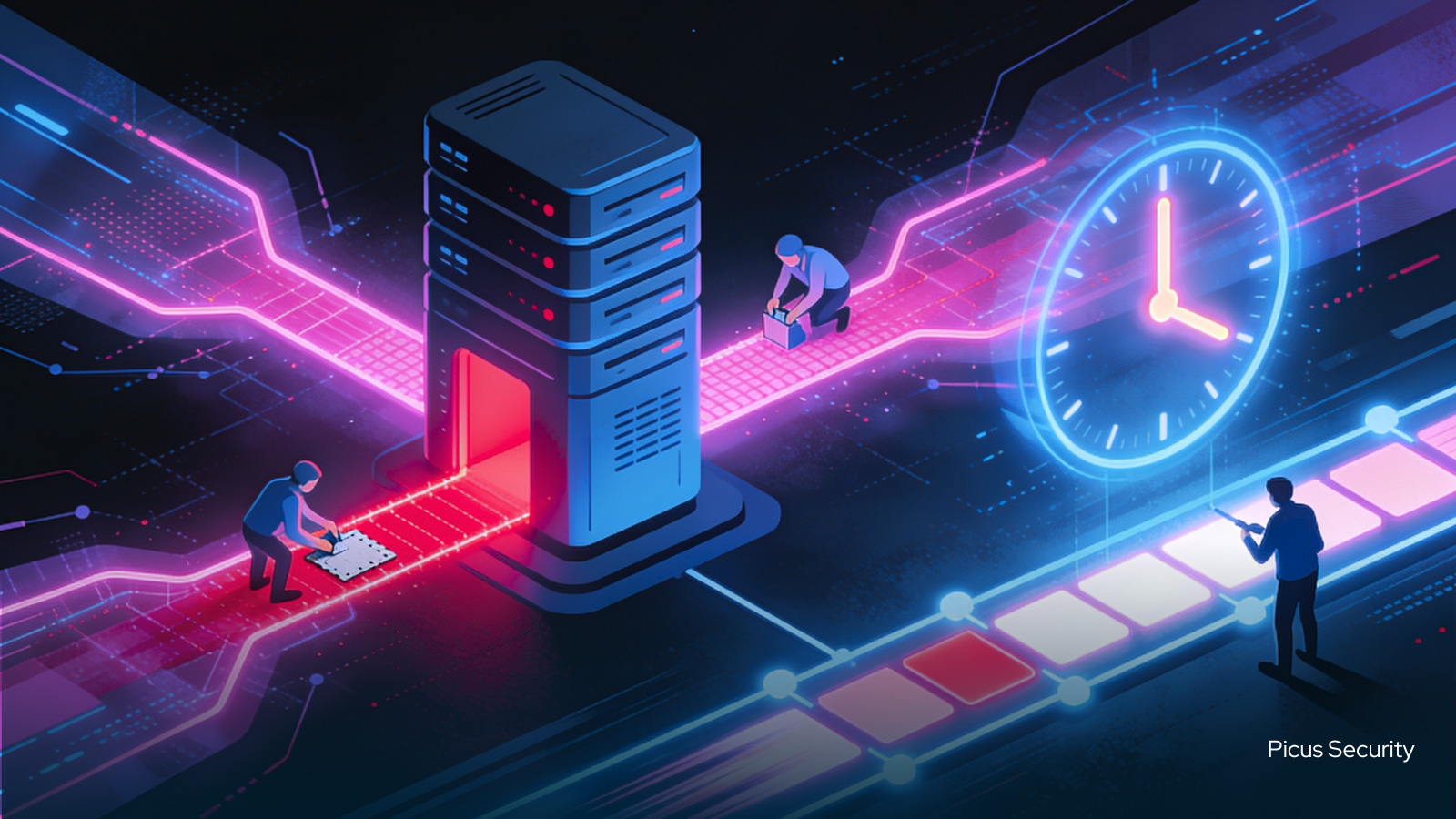
Artificial intelligence is dramatically compressing the window between the discovery of software flaws and their exploitation, leaving security teams with far less time to rely on traditional patch cycles or public vulnerability disclosures. Analysts at Picus Security warn that the accelerated pace of AI‑generated exploits is reshaping the zero‑day threat landscape and demanding a shift toward proactive, automated defenses.
In recent months, AI‑based tools have demonstrated the ability to scan codebases, identify weaknesses, and generate functional exploit code within hours—or even minutes—after a vulnerability is publicly disclosed. This speed contrasts sharply with the historical pattern where defenders could often wait days or weeks for attackers to develop reliable exploits, providing a buffer to test and apply patches. The new reality, described by Picus as the "post‑mythos era," erodes that safety net and increases the risk of rapid, widespread compromise.
To counteract this trend, Picus Security recommends three complementary approaches. First, exploitability validation involves automatically confirming whether a reported flaw can be weaponized, allowing teams to prioritize remediation based on real risk rather than theoretical severity. Second, security control testing examines existing defenses—such as intrusion detection systems and endpoint protection—to determine if they would block a potential exploit. Finally, autonomous penetration testing leverages AI‑driven bots that continuously probe an organization’s environment, mimicking attacker behavior and uncovering gaps before malicious actors can exploit them.
These tactics shift the focus from reactive patch management to continuous validation of an organization’s security posture. By integrating exploitability checks into vulnerability management workflows, security operations centers can quickly differentiate critical zero‑days from lower‑impact findings. Meanwhile, automated control testing provides evidence that existing safeguards are effective, reducing the likelihood that a newly crafted exploit will succeed.
Industry observers note that the move toward autonomous testing aligns with broader trends in cyber‑risk management, where machine learning is used to augment human analysts rather than replace them. “Automation can handle the volume and speed of modern threats, but human expertise remains essential for interpreting results and making strategic decisions,” said a senior security architect at a Fortune‑500 firm who requested anonymity.
Regulators and standards bodies are also taking note. The National Institute of Standards and Technology (NIST) has recently updated its guidelines to encourage continuous monitoring and rapid response capabilities, acknowledging that the traditional patch‑first model may no longer be sufficient in an AI‑accelerated threat environment.
Looking ahead, Picus Security predicts that organizations which embed exploitability validation, control testing, and autonomous pentesting into their daily operations will be better positioned to mitigate the heightened risk posed by AI‑generated zero‑days. The company plans to release a suite of integrated tools later this year, aiming to streamline these processes and provide actionable insights in near real‑time.
As AI continues to evolve, the cybersecurity community faces a pivotal choice: cling to legacy defensive timelines or embrace a more dynamic, automated posture that can keep pace with the speed of modern exploit development. The coming months will likely reveal which approach proves most effective in protecting critical infrastructure and data against the next generation of zero‑day attacks.



Comments (0)
Be the first to comment.
Join the discussion