How Your IP Address Exposes Personal Details Before a Webpage Loads
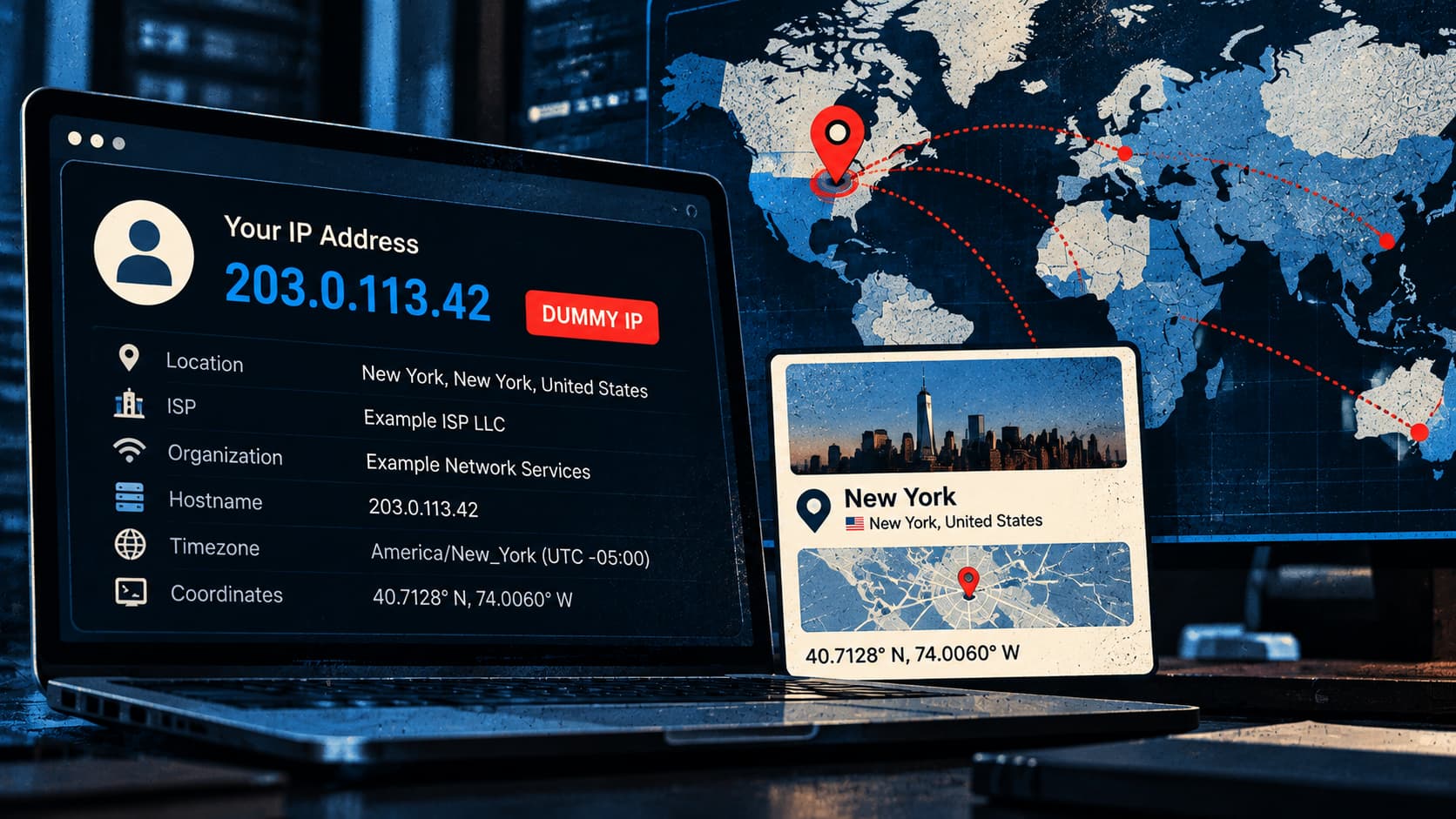
Every time a device reaches out to a website, the numeric address that identifies its connection—known as an IP address—is transmitted to the server, allowing the site, its advertisers and tracking services to glean information before any page content arrives.
An IP address functions like a digital return address, routing data packets across the internet. Because the address is required for any two-way communication, it is automatically visible to the destination server the moment a request is made.
From that simple string of numbers, a site can infer a user’s approximate geographic region, the internet service provider that supplies the connection, and the type of network—whether it is a mobile carrier, a residential broadband line, or a corporate link. Advanced detection methods can also spot the presence of a virtual private network or proxy, flagging traffic that appears to be routed through an intermediary.
Advertising networks and analytics trackers routinely harvest these details to shape the ads they serve, enforce regional licensing rules, or build behavioral profiles that combine location data with browsing habits. Because the information is collected before a page fully loads, it can be used to pre‑filter content or redirect users to region‑specific versions of a site.
Privacy experts warn that most internet users are unaware of how much can be deduced from an IP address alone. While tools such as VPNs, Tor or privacy‑focused browsers can mask the true address, they are not foolproof; many services can detect when traffic originates from known VPN endpoints and treat it differently.



Comments (0)
Be the first to comment.
Join the discussion