AI Alert Letter Highlights Threat Window but Leaves Key Players Unnamed
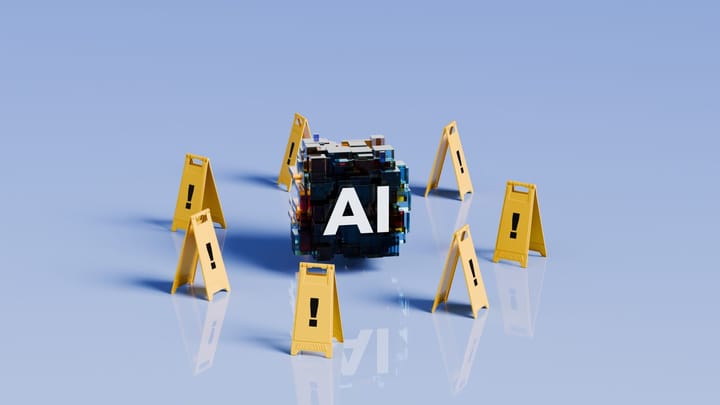
A recent warning letter circulating among AI developers flags a narrow "window of opportunity" for malicious actors to exploit emerging generative models, but it stops short of identifying who might be entering that window or who could ultimately seal it.
The memo, originally reported by Dark Reading, warns that rapid advances in large language models and image generators are outpacing existing safeguards. It cites the ease with which sophisticated prompts can bypass content filters, potentially enabling the creation of disinformation, deepfakes, or code that automates cyber‑attacks. While the letter correctly underscores the urgency of the situation, critics say it skirts accountability by omitting the identities of the entities most likely to leverage these capabilities.
Industry observers note that the "window" metaphor reflects a broader consensus: regulators, corporations, and academia have a limited timeframe to embed robust controls before the technology becomes entrenched in everyday workflows. Yet the warning fails to name the corporations racing to integrate AI into products, the nation‑state actors known for weaponizing AI, or the startups that might inadvertently supply open‑source tools that lower the barrier to misuse.
Equally absent is a clear indication of who will be responsible for closing the gap. The letter mentions “collaborative effort” without specifying whether it expects governmental legislation, self‑regulation by tech firms, or a combination of both. Analysts point out that past attempts at AI oversight have been fragmented, with the U.S. Federal Trade Commission, the European Union's AI Act, and various industry consortia each tackling different aspects of the problem.
Experts argue that naming the likely actors—whether they be major cloud providers deploying powerful APIs, nation‑state cyber units, or hobbyist communities experimenting with open‑source models—would sharpen the policy conversation. It would also help allocate resources, such as targeted audits or export controls, to the most consequential risk vectors.
As the AI ecosystem continues to expand, the omission of these specifics may hinder proactive measures. Stakeholders are now calling for a more transparent dialogue that not only highlights the temporal risk but also maps the players on both sides of the equation. Only by clarifying who is poised to exploit the window and who holds the authority to shut it can regulators and industry forge effective, coordinated defenses.



Comments (0)
Be the first to comment.
Join the discussion