Rising Cyber Threats Expose Legacy Vulnerabilities in U.S. Water Treatment Systems
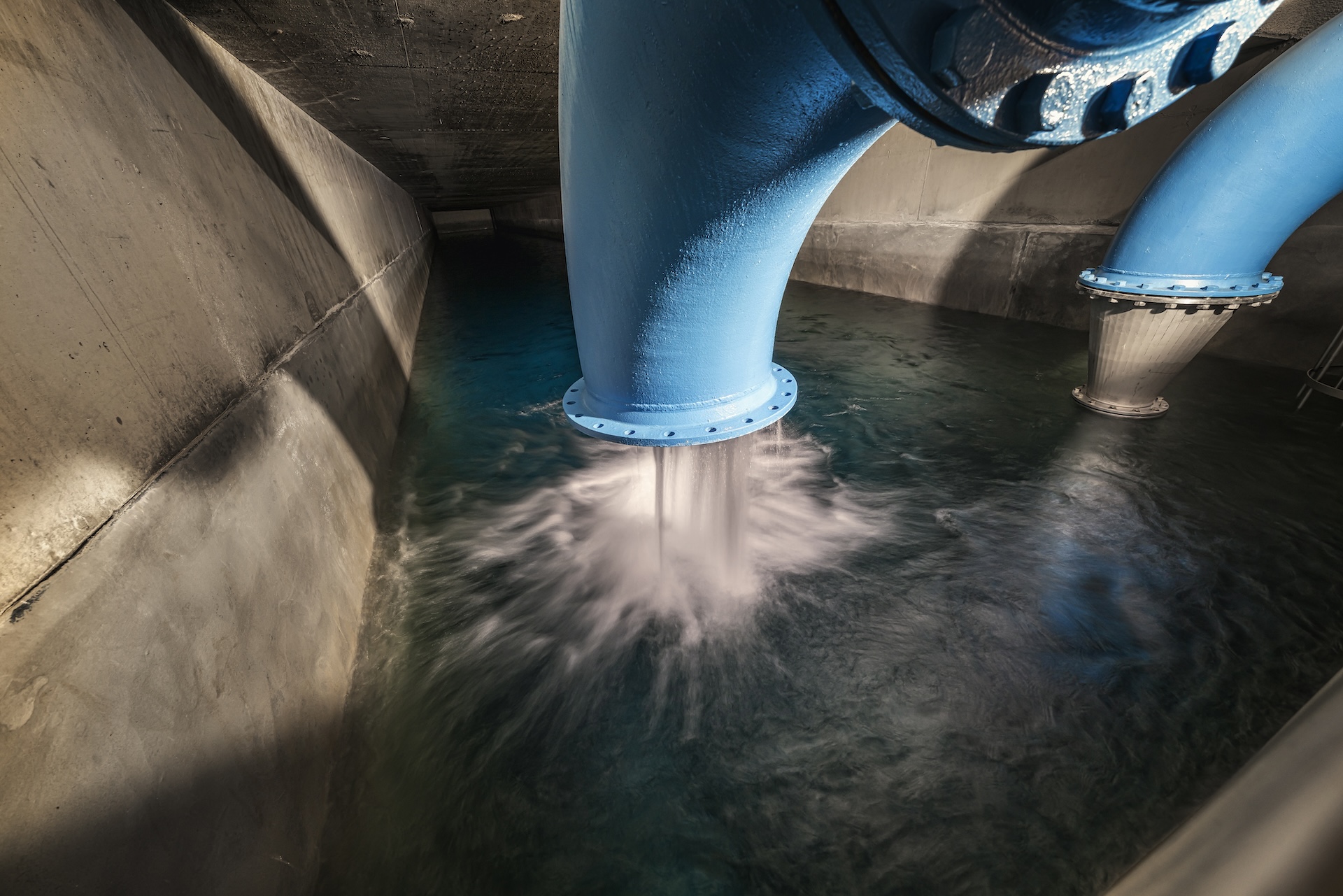
During the past summer, a noticeable surge in cyber incidents targeting the nation’s water treatment infrastructure has drawn attention to the aging digital backbone that runs many of the sector’s critical processes.
Most of the control systems that regulate pumps, valves and chemical dosing in water plants were originally engineered for reliability in isolated environments, not for the constant connectivity of modern networks. While the hardware generally continues to perform its core functions, its design did not anticipate the kind of remote exploitation that cyber adversaries now employ.
Industry officials report that the uptick in attacks has ranged from probing attempts to more disruptive intrusions, prompting utilities to reassess security postures that have long relied on obscurity and air‑gapped configurations. The shift reflects a broader trend in which threat actors recognize the strategic value of utilities that provide essential public services.
Experts note that the challenge lies in retrofitting decades‑old equipment with modern safeguards without compromising the operational stability of water delivery. Upgrades often involve integrating intrusion‑detection tools, applying patches where possible, and segmenting networks to limit lateral movement. However, many municipalities face budget constraints and a shortage of specialized personnel, slowing comprehensive remediation.
Regulators and trade groups are urging a coordinated response, emphasizing the need for standardized cybersecurity frameworks, information sharing about emerging threats, and investment in resilient system design. As water utilities continue to modernize and adopt Internet of Things components, the sector’s ability to defend against future attacks will depend on balancing technological advancement with the inherent security demands of critical infrastructure.



Comments (0)
Be the first to comment.
Join the discussion