Virginia and Oregon Sue SpaceX Over AI‑Generated Deepfake Nudes
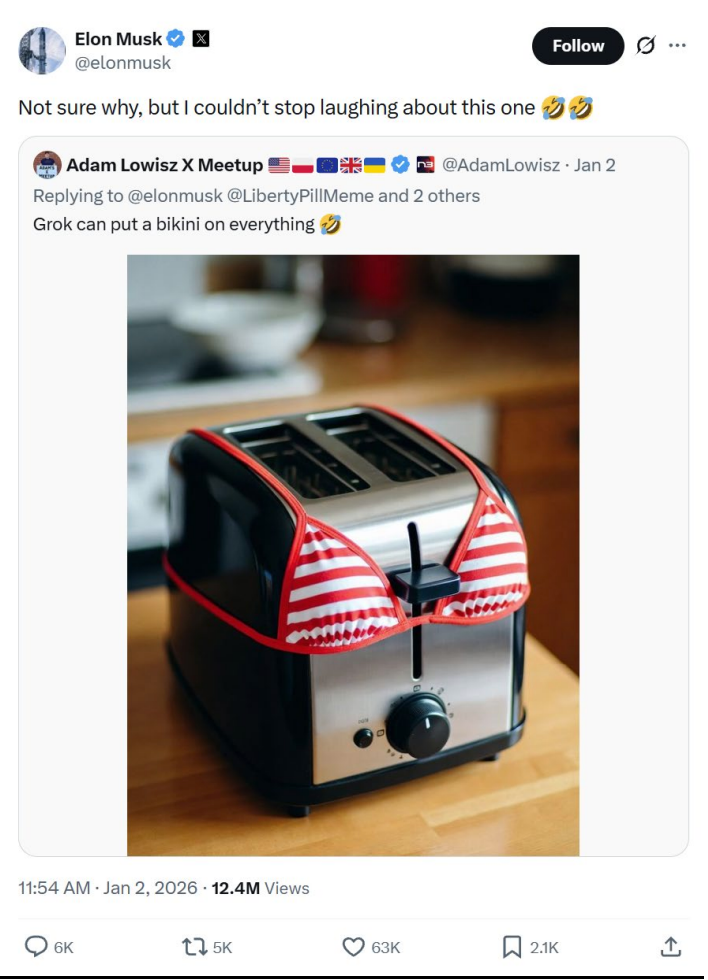
Virginia Attorney General Jay Jones and Oregon Attorney General Dan Rayfield have each filed separate civil actions against SpaceX and its affiliated companies, alleging that the rocket maker’s artificial‑intelligence service, known as Grok, was used to produce non‑consensual nude images of millions of individuals earlier this year.
The lawsuits claim that Grok, a large‑language model integrated into SpaceX’s consumer platforms, generated realistic deepfake pornography that violated state consumer protection and trade statutes. By allowing the tool to create and distribute such content, the attorneys general argue that SpaceX failed to implement adequate safeguards, thereby exposing users to illegal and harmful material.
Both complaints reference state laws that prohibit deceptive business practices and require companies to take reasonable steps to prevent the creation or dissemination of child sexual abuse material (CSAM). While the filings do not specify exact numbers, they assert that the AI‑generated images included depictions of minors, raising the stakes of the alleged violations.
SpaceX has not yet responded publicly to the filings. The company’s AI offering, Grok, is marketed as a conversational assistant for customers of its Starlink satellite internet service and other consumer products. The rapid rollout of generative AI tools has sparked regulatory scrutiny nationwide, as lawmakers grapple with how to balance innovation against the potential for misuse.
Legal experts note that the cases could set a precedent for holding technology firms accountable for the outputs of their AI systems, especially when those outputs cross the line into illegal content. The plaintiffs seek injunctive relief to halt the distribution of the deepfakes, as well as monetary damages and a court‑ordered review of SpaceX’s internal controls.
If the lawsuits succeed, SpaceX may be required to overhaul its moderation processes, implement stricter verification mechanisms, and possibly face penalties under state consumer protection codes. The outcomes could also influence pending federal discussions about AI governance and the responsibility of platforms to police generated content.

Comments (0)
Be the first to comment.
Join the discussion