US Indicts Malaysian Citizen Tied to Madagascar Fraud Operation
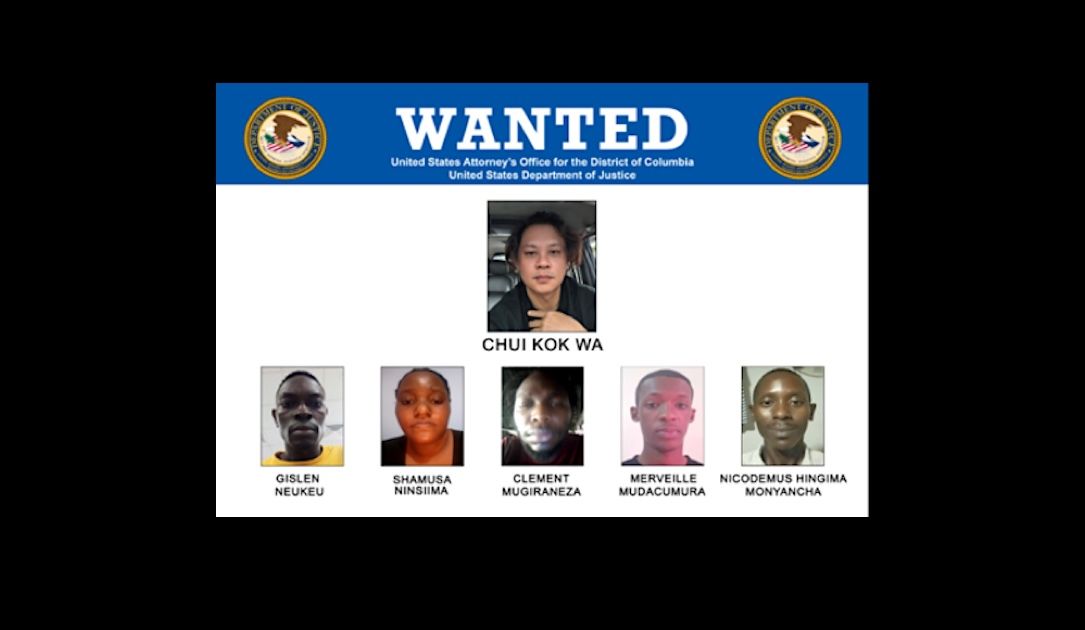
The U.S. Department of Justice announced Tuesday that a Malaysian national has been indicted for his role in a multi‑national fraud scheme uncovered during a law‑enforcement sting in Madagascar. The charge, filed in the Eastern District of New York, accuses the individual of orchestrating a series of deceptive operations that lured victims overseas into parting with money under false pretenses.
Alongside the Malaysian suspect, four other foreign nationals have also been charged, reflecting a coordinated crackdown on a network that spanned several continents. Prosecutors say the group leveraged a combination of online advertising, fake business proposals and social‑media manipulation to solicit funds from unwary participants in Europe, North America and Africa.
Investigators traced the core of the operation to a makeshift call centre located in a remote region of Madagascar. According to court filings, the facility employed dozens of operators who handled inbound and outbound communications, scripted scripts, and used disposable phone numbers to mask their identities. The centre’s activities were linked to a broader “scam‑center” industry that has proliferated in low‑cost jurisdictions, where lax regulation and limited oversight enable criminal enterprises to scale rapidly.
The indictment arrives amid growing awareness among U.S. authorities that fraud networks are no longer confined to a single country. Over the past decade, the Department of Justice and the Federal Trade Commission have highlighted the rise of “scam hubs” in Southeast Asia, Eastern Europe and parts of Africa, noting that these sites often serve as recruitment grounds for operators who then target victims globally. The Madagascar sting underscores how law‑enforcement agencies are expanding their investigative reach, employing cyber forensics and international cooperation to dismantle such operations.
Legal analysts say the case could set a precedent for future prosecutions of overseas actors whose schemes affect U.S. consumers. By securing indictments against individuals who reside outside American borders, the DOJ signals its willingness to pursue cross‑border fraud aggressively, leveraging mutual legal assistance treaties and coordinated raids. The next steps will likely involve extradition requests, asset forfeiture proceedings, and continued monitoring of related networks to prevent a resurgence of similar scams.



Comments (0)
Be the first to comment.
Join the discussion