Russian National Indicted in U.S. for Large-Scale Malware Attack on Freelance Workers
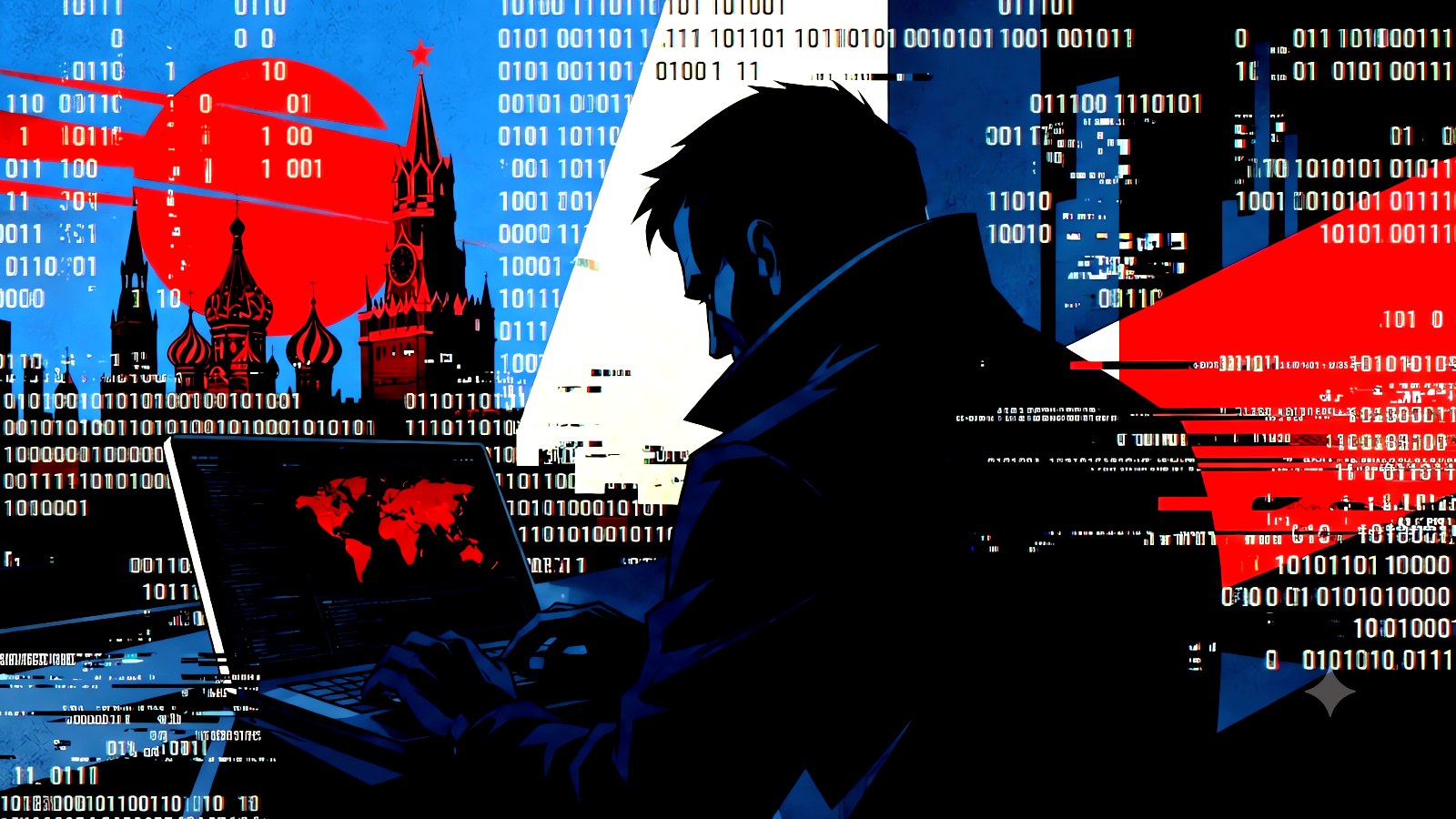
A California federal grand jury has formally charged a Russian citizen with orchestrating a phishing operation that deployed the TVRAT and DarkVNC malware families, compromising the computers of an estimated 80,000 freelance professionals across multiple online platforms.
The indictment alleges that the suspect leveraged deceptive emails and fake job postings to trick freelancers into downloading malicious attachments or clicking compromised links. Once installed, the TVRAT (Trojan.Variant Remote Access Tool) and DarkVNC remote‑access tools gave attackers persistent control over victims' systems, allowing them to exfiltrate data, monitor activity, and potentially monetize the compromised machines.
Law enforcement officials highlighted the scale of the campaign, noting that the victims were largely independent contractors who rely on digital tools for communication, design, programming, and other services. Because freelancers often operate without the robust security infrastructure of larger enterprises, they present attractive targets for cybercriminals seeking to amass large numbers of infected endpoints.
Federal investigators said the operation was coordinated from abroad and involved a network of affiliates who distributed the phishing lures through a variety of channels, including freelance job boards and social media groups. The indictment does not name any co‑conspirators, but authorities indicated that the scheme generated significant illicit revenue through the sale of access to the compromised machines on underground markets.
U.S. prosecutors emphasized that the case underscores the growing threat posed by remote‑access malware to individuals outside traditional corporate environments. While ransomware and business‑email‑compromise attacks have dominated headlines, the use of tools like TVRAT and DarkVNC demonstrates how cybercriminals can exploit the gig economy to build botnets and harvest sensitive information.
The suspect remains at large, and the indictment seeks a range of criminal penalties, including forfeiture of any proceeds derived from the scheme. Federal authorities are working with international partners to locate and extradite the individual, and they have urged freelancers to adopt stronger security practices, such as verifying the authenticity of job offers, using multi‑factor authentication, and keeping software up to date.
Experts caution that the incident may prompt platform operators to tighten verification processes for job postings and to provide clearer guidance on cybersecurity hygiene for their users. As the freelance workforce continues to expand, the case serves as a reminder that personal digital security is increasingly critical for anyone earning a living online.


Comments (0)
Be the first to comment.
Join the discussion