CIA and ODNI Reveal Breach of Open‑Source Intel Platform After Hacker Intrusion
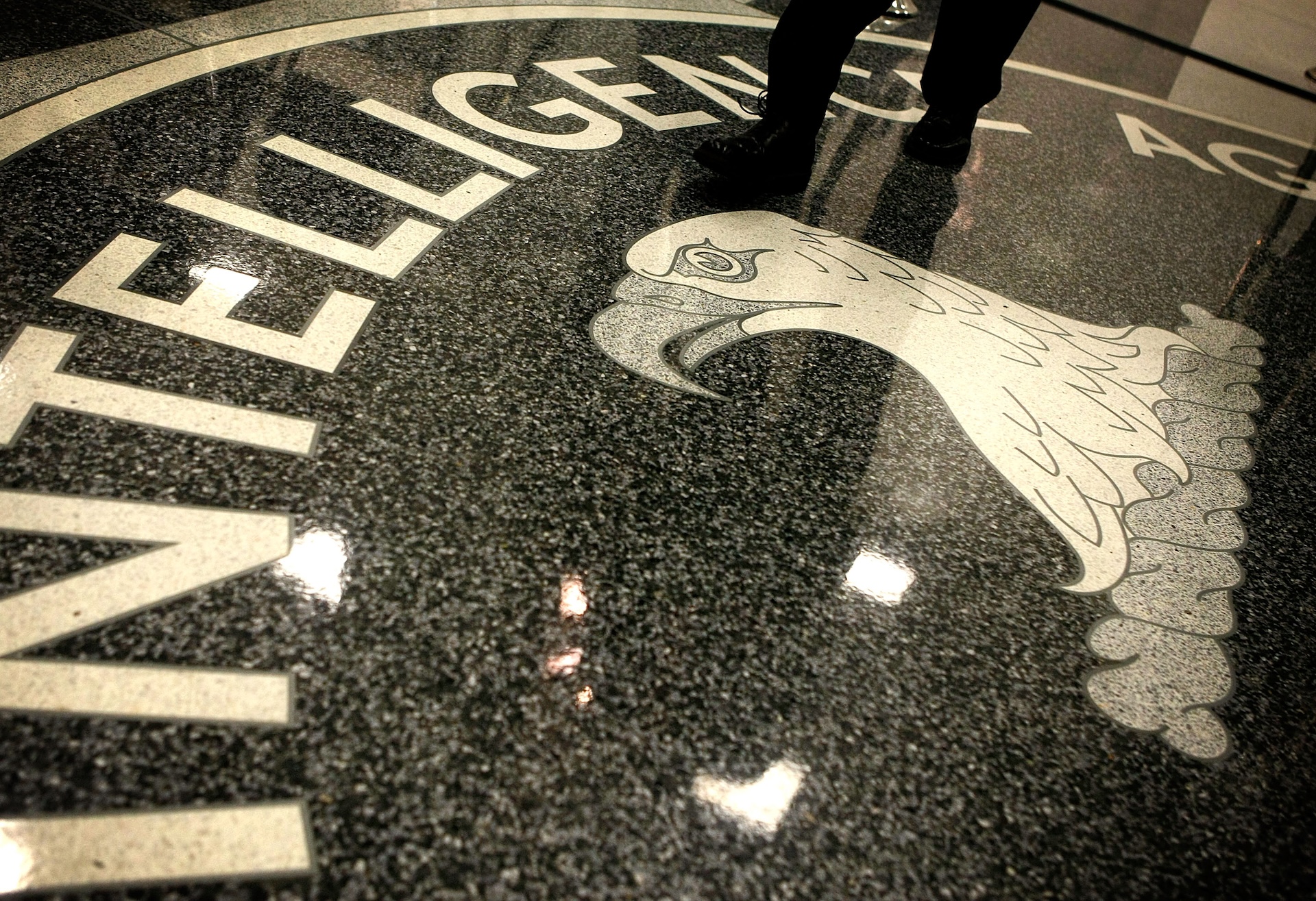
The Central Intelligence Agency and the Office of the Director of National Intelligence announced Tuesday that a hacker group penetrated an open‑source intelligence analysis system, exposing unclassified information processed by the agencies.
According to CyberScoop, which first reported the incident, the intrusion was discovered during routine security monitoring. The breach involved an OSINT (open‑source intelligence) tool that aggregates publicly available data for analysts, and the compromise appears to have been limited to material that is not classified.
While the exact scope of the exposed data has not been disclosed, officials emphasized that no classified sources or methods were affected. The agencies are conducting a thorough investigation to determine how the attackers accessed the platform and whether any additional systems were impacted.
Open‑source intelligence has become a cornerstone of modern national security work, allowing analysts to supplement classified inputs with publicly sourced information ranging from social‑media posts to satellite imagery. The reliance on such tools, however, also creates new attack surfaces, as they often operate on commercial or cloud‑based infrastructures that can be targeted by external actors.
Cybersecurity experts note that breaches of OSINT platforms, while less sensational than leaks of classified material, can still have significant consequences. Even unclassified data can reveal operational priorities, analytical methodologies, or upcoming policy focuses, which adversaries could exploit.
The incident arrives amid heightened scrutiny of U.S. intelligence agencies’ cyber defenses. Recent reports have highlighted a surge in state‑backed hacking campaigns aimed at government networks, prompting calls for increased investment in zero‑trust architectures and continuous monitoring.
In response, the CIA and ODNI have pledged to reinforce security protocols for all analytical tools, both classified and unclassified. They also indicated plans to share lessons learned with partner agencies and allied intelligence services to mitigate similar risks in the future.
As the investigation proceeds, the agencies have not identified any specific nation‑state or criminal group behind the attack. The lack of attribution underscores the challenges intelligence communities face in tracing sophisticated cyber intrusions, especially when they target systems that blend public and government data.
Stakeholders are watching closely to see how the breach influences policy discussions on balancing the benefits of open‑source collection with the imperative to safeguard even non‑classified information from hostile exploitation.



Comments (0)
Be the first to comment.
Join the discussion