TP-Link Issues Firmware Fix After Archer AX55 Flaws Expose Users to Code Execution and Credential Theft
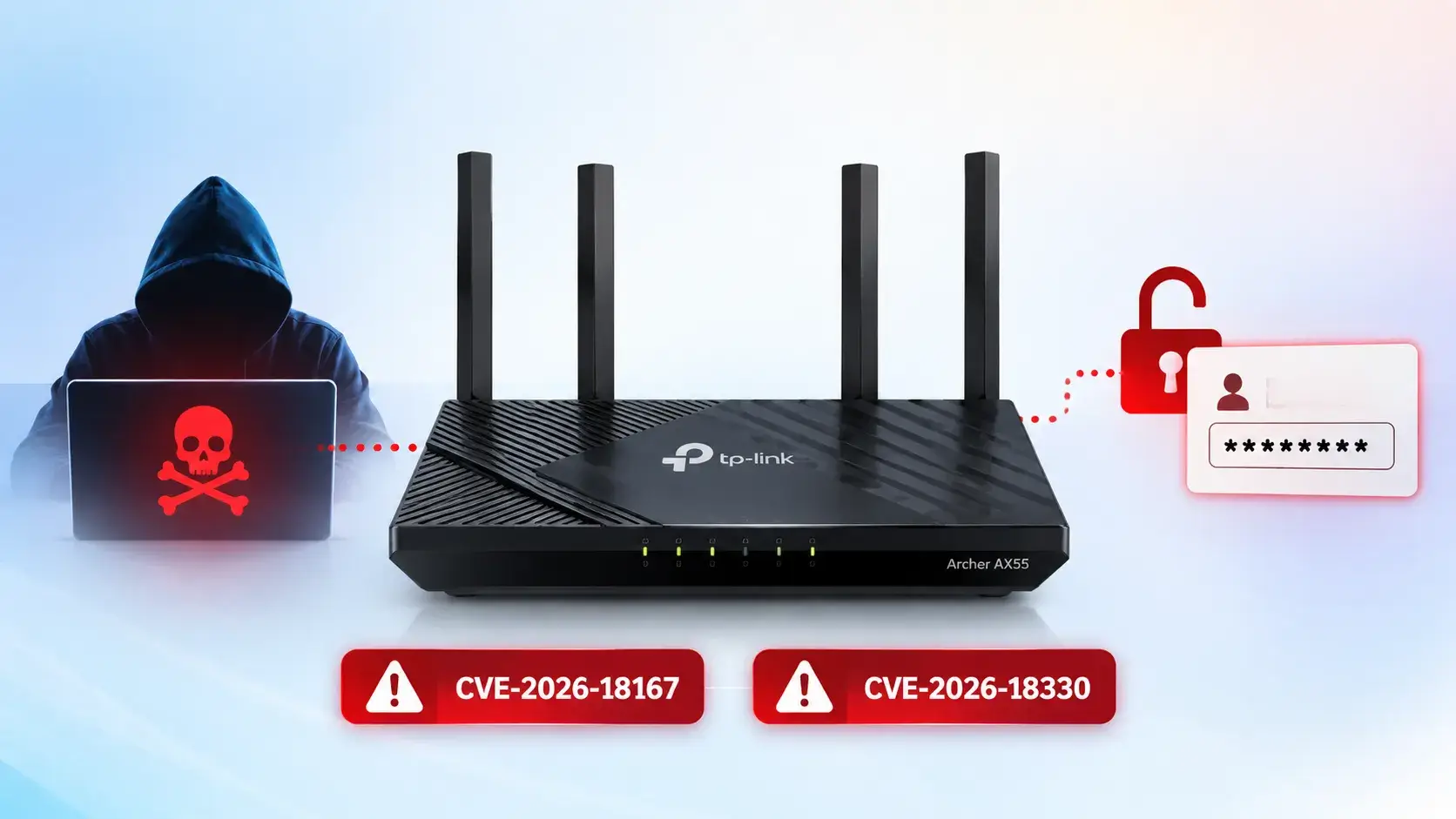
TP-Link has pushed out firmware updates addressing two security weaknesses discovered in the Archer AX55 v4 Wi‑Fi router, the company said on Monday.
The flaws, uncovered by independent security researcher group GBHackers, affect a core networking service that runs on the device. One of the bugs can cause the service to stop responding, effectively disabling connectivity for devices on the same LAN.
More serious, the second vulnerability allows an attacker who is already on the local network to inject malicious code into the router’s operating environment. If exploited, the code could run with system privileges, giving the intruder the ability to manipulate traffic, install back‑doors, or extract the administrator password stored on the unit.
Such “local‑network” attacks are a growing concern as home and small‑office routers increasingly serve as the first line of defense for internet traffic. Similar remote‑code‑execution bugs have been reported in other popular models over the past few years, prompting manufacturers to accelerate patch cycles.
TP-Link recommends that all owners of the Archer AX55 v4 download and install the latest firmware from the official support portal without delay. The update is available for both the web interface and the Tether mobile app, and the company has pledged to monitor for any further issues.
Security analysts note that while the patches close the identified gaps, the incident underscores the importance of regular firmware maintenance and network segmentation. Users are also advised to change default passwords, disable remote management features unless needed, and keep other connected devices up to date.
GBHackers, which first disclosed the vulnerabilities, praised TP-Link’s swift response but warned that attackers often scan for unpatched routers in the wild. The firm will continue to track the situation and alert the community if additional weaknesses emerge.



Comments (0)
Be the first to comment.
Join the discussion