U.S. Pushes Quantum Research Toward Domestic Manufacturing and Supply Chains
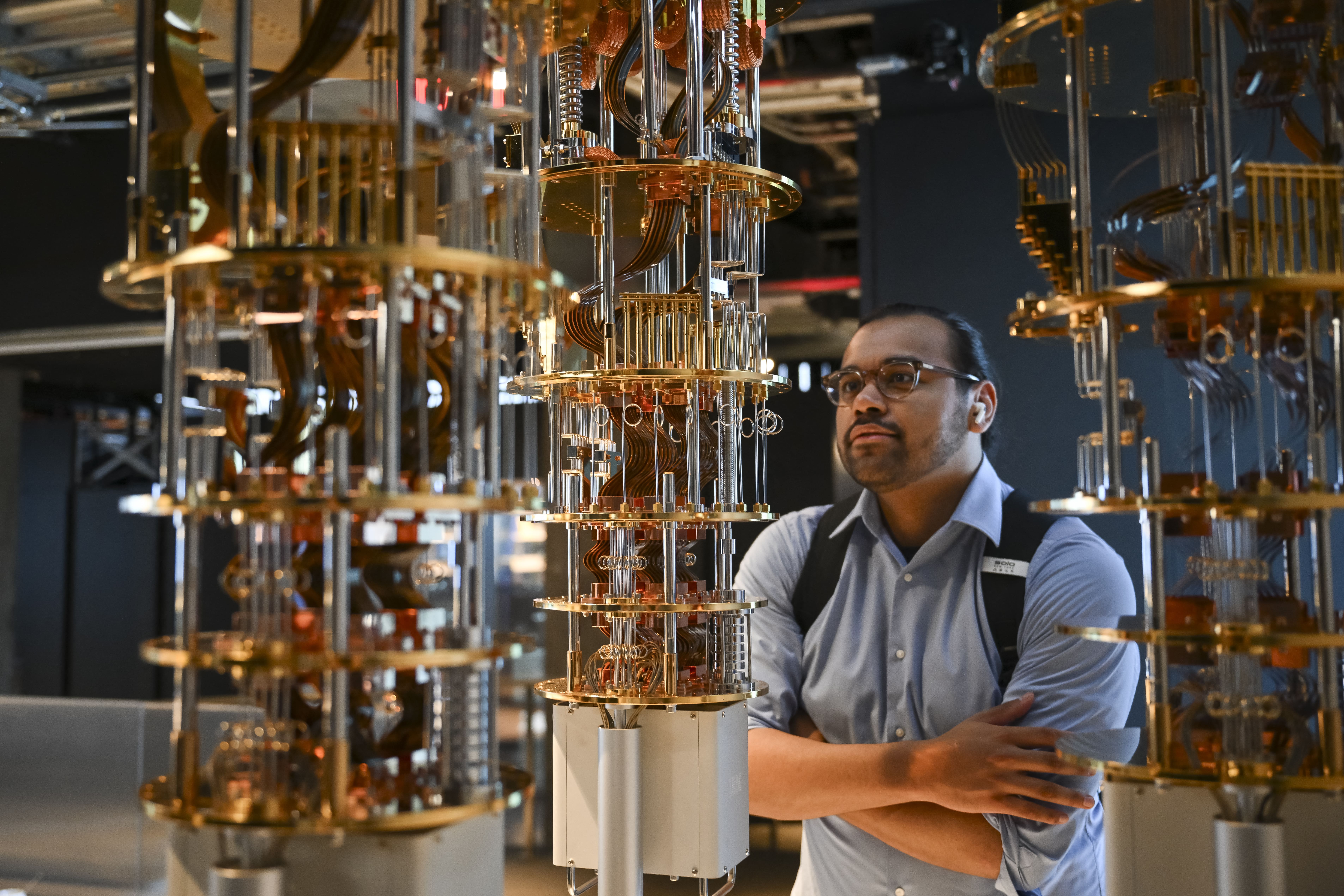
Congressional leaders and officials in the executive branch are intensifying efforts to turn the United States' lead in quantum computing research into a robust industrial ecosystem, seeking to create home‑grown factories and supply chains that can deliver practical technologies.
During a recent briefing, Deputy Secretary of Commerce Paul Dabbar highlighted the administration's intent to move beyond laboratory breakthroughs and develop a coordinated strategy that supports scaling, manufacturing, and market deployment of quantum hardware and related components.
The move comes as the nation confronts a growing global race to commercialize quantum capabilities, with rivals such as China and the European Union investing heavily in both research and production capacity. Policymakers argue that without a domestic manufacturing base, the United States risks dependence on foreign sources for critical parts, potentially compromising national security and economic competitiveness.
Legislators are considering a blend of incentives, including tax credits, grants, and workforce development programs, to attract private investment and foster partnerships between universities, national labs, and industry players. The goal is to lower barriers for companies that can translate theoretical advances into chips, cryogenic systems, and error‑correction technologies that are ready for commercial use.
Analysts note that building a supply chain for quantum technology will require coordination across multiple sectors, from semiconductor fabrication to specialized materials and precision engineering. If successful, the initiative could generate high‑skill jobs, stimulate regional economies, and position the United States as a leader not only in quantum research but also in the products that emerge from it. The next steps are expected to involve detailed policy proposals from the Commerce Department and forthcoming hearings in the House and Senate committees overseeing science and technology.



Comments (0)
Be the first to comment.
Join the discussion