Enterprise AI Assistants Spark Surge in Security Staffing
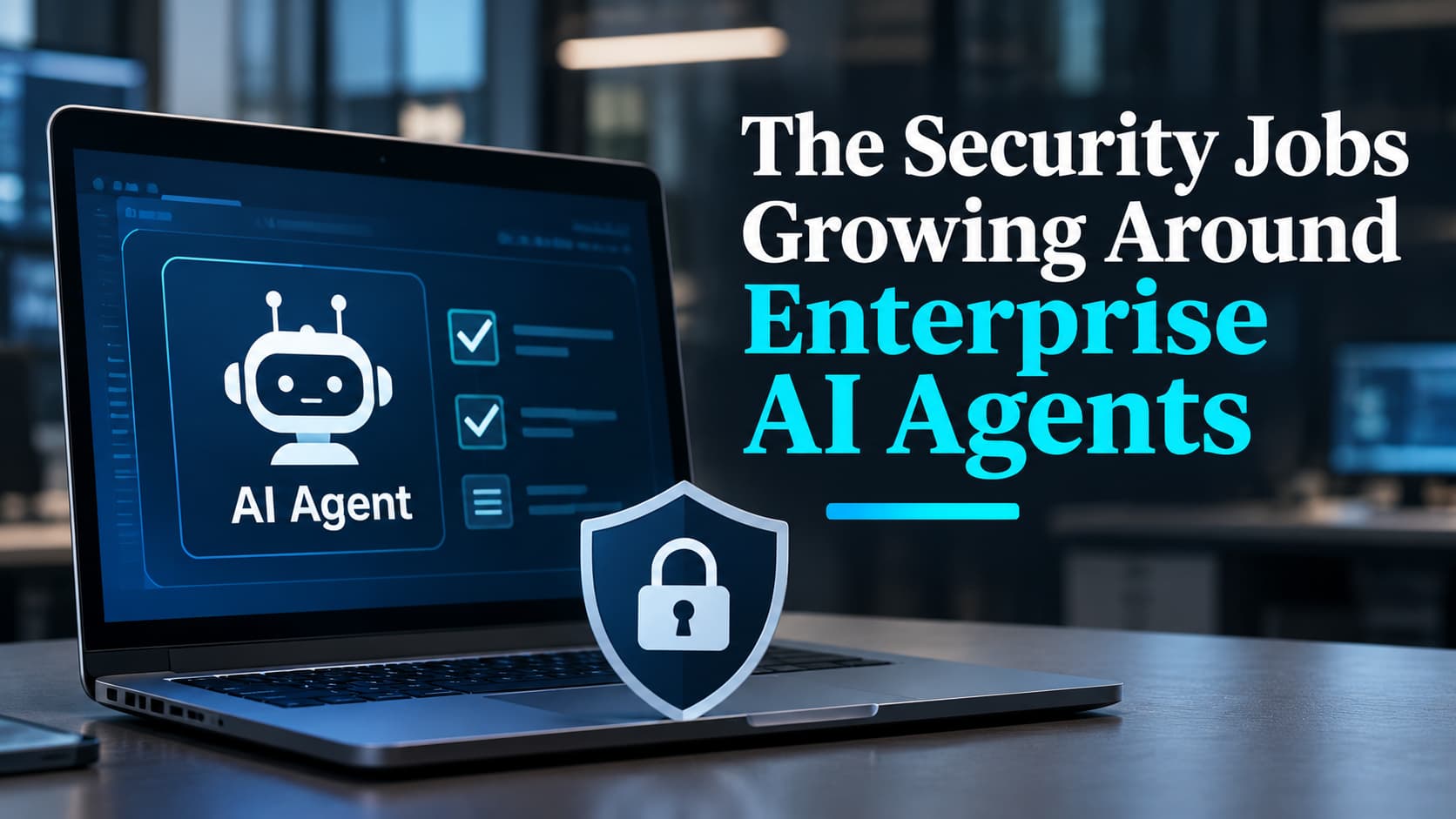
Corporate adoption of artificial‑intelligence assistants has moved beyond simple chat‑based tools, prompting a notable rise in security‑focused positions aimed at safeguarding these new agents.
Two years ago, most internal AI deployments were limited to conversational interfaces that answered employee queries. Today, the technology has expanded to more integrated roles, such as automatically scanning shared mailboxes, routing tickets, and extracting data from internal documents. This deeper embedding of AI into everyday workflows has exposed new vectors for data leakage, misconfiguration and unauthorized access, driving organizations to reassess their security postures.
Security teams are responding by creating dedicated roles that monitor AI behavior, audit decision logs, and enforce policy compliance. Professionals with hybrid expertise in cybersecurity and machine‑learning are especially sought after, as they can interpret model outputs while applying traditional threat‑detection techniques. Many firms are also establishing cross‑functional committees that include AI developers, compliance officers and risk managers to oversee the lifecycle of enterprise agents.
Industry analysts note that the shift reflects a broader trend: as AI agents become custodians of sensitive information—emails, contracts, and internal reports—their compromise could have consequences comparable to a breach of a core database. Consequently, organizations are investing in tools that provide visibility into model inputs and outputs, enforce least‑privilege access, and enable rapid revocation of compromised agents.
While the demand for security talent around AI is growing, the supply remains limited. Universities and training providers are beginning to offer curricula that blend cryptography, cloud security, and ethical AI, but the pipeline will take time to meet corporate needs. In the interim, some companies are upskilling existing security staff through intensive workshops and certification programs focused on AI risk management.
Looking ahead, experts anticipate that the security function will become an integral part of AI governance frameworks, with continuous monitoring and automated response mechanisms built directly into enterprise AI platforms. As AI assistants handle more mission‑critical tasks, the need for specialized security roles is likely to solidify, shaping the next wave of hiring in the tech sector.

Comments (0)
Be the first to comment.
Join the discussion