Beyond Phishing: The Evolving Threat to Google Workspace Security

For years, organizations have treated email phishing as the primary gateway for corporate cyberattacks. However, the security landscape surrounding cloud productivity suites like Google Workspace is undergoing a significant shift. Security experts are warning that malicious actors are increasingly bypassing traditional credential-harvesting methods altogether, utilizing sophisticated techniques to compromise corporate environments from within.
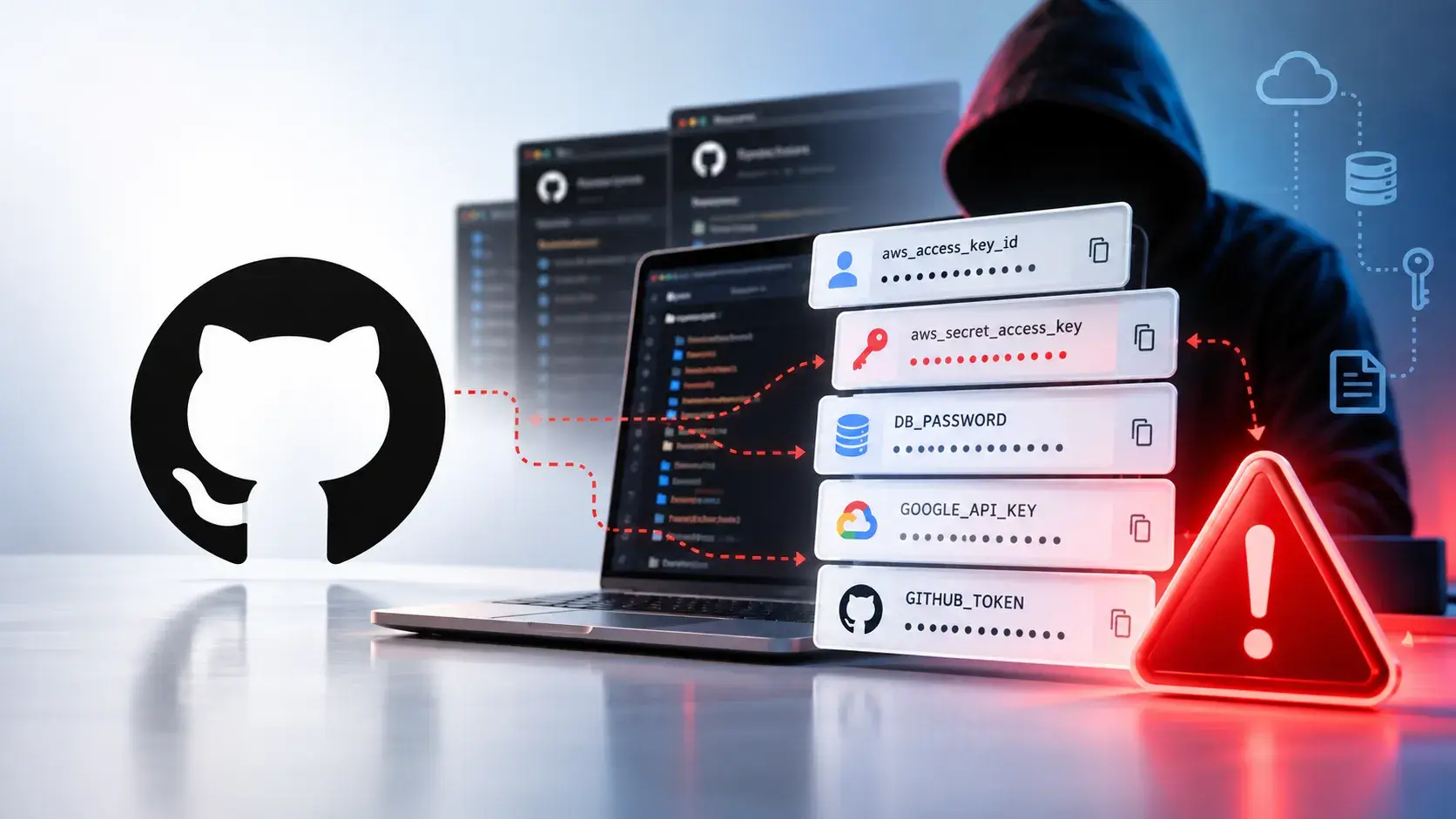
At the center of this evolving threat landscape is the abuse of OAuth tokens. These digital credentials allow third-party applications to integrate seamlessly with Google Drive, Gmail, and other interconnected enterprise systems. While designed to boost productivity by enabling automated workflows, these tokens also represent a highly lucrative target for modern cybercriminals looking for a quieter, more permanent backdoor into sensitive corporate data.
The rapid proliferation of software-as-a-service (SaaS) applications has further exacerbated this vulnerability. Employees frequently grant permissions to various external tools for scheduling, project management, or document editing. Each of these permissions generates an OAuth token, effectively expanding the organization's attack surface and creating numerous potential entry points that security teams may not actively monitor.
When an attacker successfully steals an active OAuth token, they can often bypass standard multi-factor authentication (MFA) and password barriers. This alters the traditional attack chain. Instead of needing to trick an employee into revealing their password, an adversary can leverage a single compromised integration to quietly access, exfiltrate, or manipulate internal communications and files across an entire organization.
According to insights from cybersecurity firm Material Security, relying solely on perimeter defenses like spam filters and email gateways is no longer sufficient. Because OAuth-based attacks operate within trusted, already-authenticated channels, traditional security tools frequently fail to flag the malicious activity. The firm emphasizes that modern defense strategies must adapt to monitor and protect the entire workspace environment post-authentication.
To counter these stealthy intrusion methods, organizations are being urged to implement comprehensive visibility tools that audit third-party app permissions regularly. By treating security as an ongoing, end-to-end challenge rather than a simple entry-point barrier, enterprises can better detect anomalous token behavior and sever unauthorized access before critical data is compromised.

Comments (0)
Be the first to comment.
Join the discussion