Enterprise Device Management Market Highlights Top UEM Picks for 2024
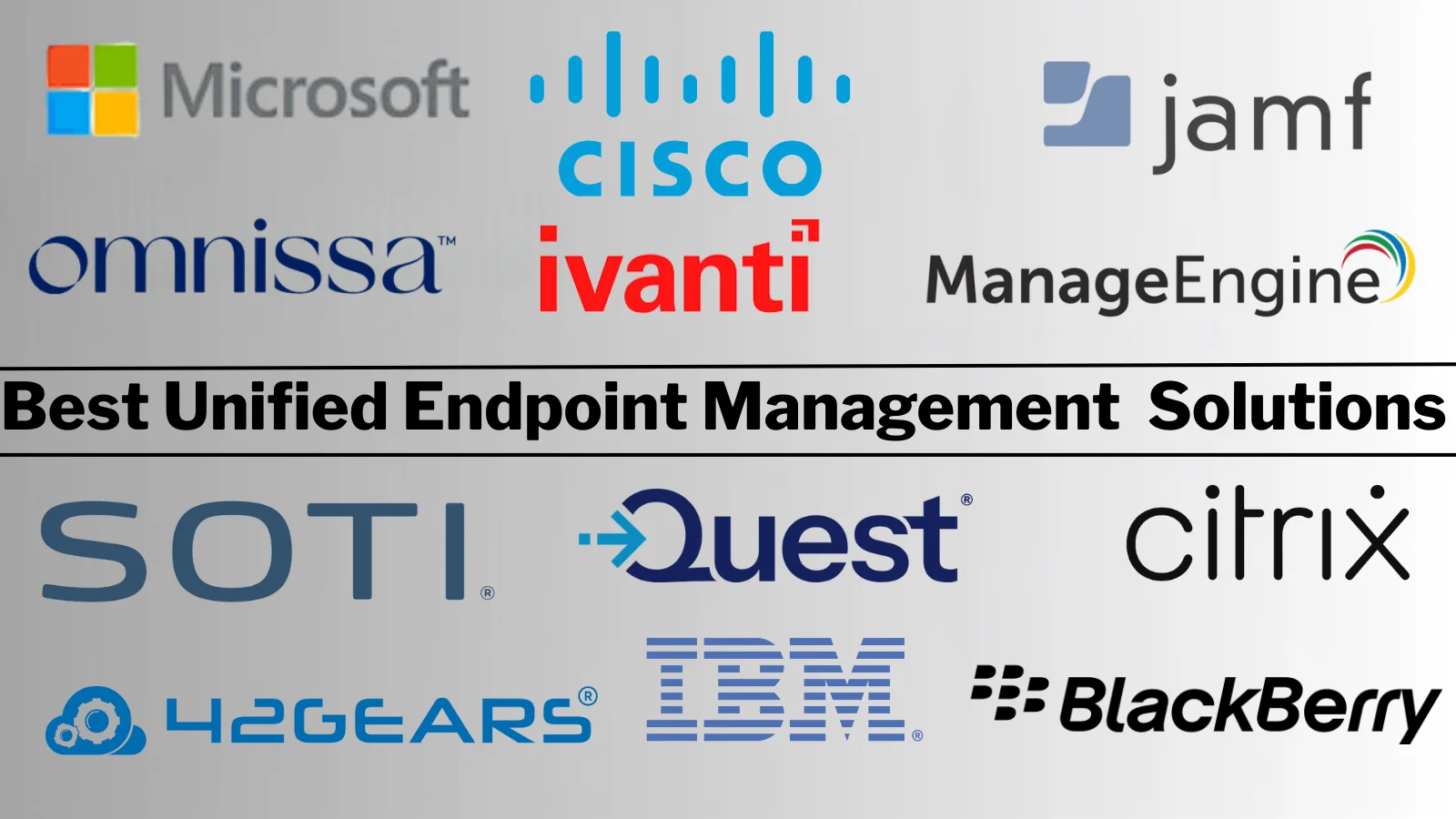
As businesses continue to blend remote work, mobile computing and Internet of Things deployments, the demand for unified endpoint management (UEM) platforms has surged, prompting analysts to compare the leading tools on cost, feature depth and device compatibility.
UEM solutions act as a single control plane for smartphones, laptops, wearables and specialized hardware, allowing IT teams to enforce security policies, distribute applications and monitor performance across operating systems. The ability to manage such a heterogeneous environment efficiently has become a cornerstone of modern cybersecurity and operational resilience.
Among the options evaluated, Microsoft Intune emerged as the best overall value. Because it is bundled with Microsoft 365 E3 and E5 subscriptions, many enterprises already have access to Intune without an additional license fee, delivering comprehensive management of Windows, Android, iOS and macOS devices through a familiar admin console.
For organizations with tighter budgets, ManageEngine stood out for offering the most transparent published pricing. Its tiered model provides a clear cost structure that scales with the number of managed endpoints, making it attractive to midsize firms that need predictable expenditures.
Apple‑centric environments benefit most from Jamf, which earned the distinction of deepest Apple integration. Jamf’s toolset includes granular controls for macOS, iPadOS and iPhone devices, as well as specialized APIs that streamline enrollment and configuration for education and creative industries.
When it comes to rugged and purpose‑built hardware, SOTI and 42Gears received top marks. Both vendors focus on devices that operate in harsh conditions—such as field service scanners, warehouse terminals and automotive telematics—offering hardened operating systems, offline capabilities and robust remote troubleshooting.
Cross‑platform flexibility remains a critical factor, with several vendors delivering strong support for mixed‑OS fleets. While the source list truncated the final category, industry observers note that solutions excelling in this area typically combine cloud‑native architecture with on‑premise options to satisfy varied compliance requirements.
Looking ahead, analysts expect the UEM market to consolidate around a handful of platforms that can adapt to emerging technologies like augmented reality headsets and edge AI devices. Companies are likely to prioritize vendors that demonstrate rapid feature updates, strong integration with identity services and transparent licensing.
The latest comparative review, originally reported by GBHackers, underscores how organizations can leverage existing software investments while selecting specialized tools for niche device groups, ultimately shaping a more secure and manageable digital workplace.



Comments (0)
Be the first to comment.
Join the discussion