State Bank of India Confirms Customer Data Leak Amid Growing Indian PII Black Market
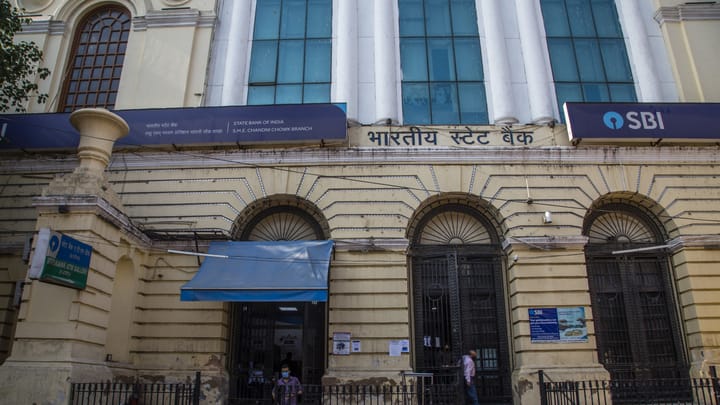
State Bank of India (SBI) has confirmed that a breach exposed personally identifiable information (PII) of a segment of its customers, prompting the bank to launch an internal investigation and alert regulatory bodies.
The incident, first reported by cybersecurity outlet Dark Reading, involved the unauthorized extraction of basic customer details such as names, addresses, and contact numbers. While the exact number of records remains undisclosed, the bank acknowledged that the leak, though limited in scope, could be leveraged by criminals given the high demand for Indian PII on underground forums.
India’s cybercrime ecosystem has evolved into a sophisticated marketplace where even modest data sets can be bought, sold, and repurposed for fraud. Analysts note that the value of Indian personal data has risen sharply, driven by the country's large online user base and the prevalence of mobile banking services. As a result, breaches that might appear minor in other jurisdictions can quickly translate into large‑scale phishing campaigns, identity theft, or unauthorized financial transactions.
The breach arrives at a time when the Reserve Bank of India (RBI) and the forthcoming Personal Data Protection Bill are tightening expectations for financial institutions. RBI guidelines already require banks to implement robust security frameworks, conduct regular vulnerability assessments, and promptly notify the regulator of any data compromise. SBI’s public statement indicated compliance with these directives, including notifying the Indian Computer Emergency Response Team (CERT‑IN) and offering affected customers assistance in monitoring their accounts.
Cybersecurity experts caution that the real risk lies in the downstream use of the stolen information. “When attackers obtain even a small list of names and phone numbers, they can craft highly targeted social engineering attacks that are difficult for victims to detect,” said a senior analyst at a leading Indian security firm. Such tactics have been linked to fraudulent loan applications, SIM‑swap attacks, and unauthorized debit card usage in recent months.
In response, SBI has reportedly hardened its network perimeter, reviewed third‑party vendor access, and accelerated the rollout of two‑factor authentication for its digital channels. The bank also urged customers to remain vigilant, advising them to verify any unsolicited communications and to report suspicious activity immediately.
Regulators are expected to scrutinize the incident closely, as it underscores broader challenges in protecting consumer data across the nation’s banking sector. Observers suggest that the episode may accelerate legislative momentum for stricter enforcement mechanisms and higher penalties for non‑compliance, aiming to deter the illicit trade of Indian PII that fuels cybercrime.



Comments (0)
Be the first to comment.
Join the discussion