Senators Urge White House to Expand Federal Oversight of AI Safety and Security
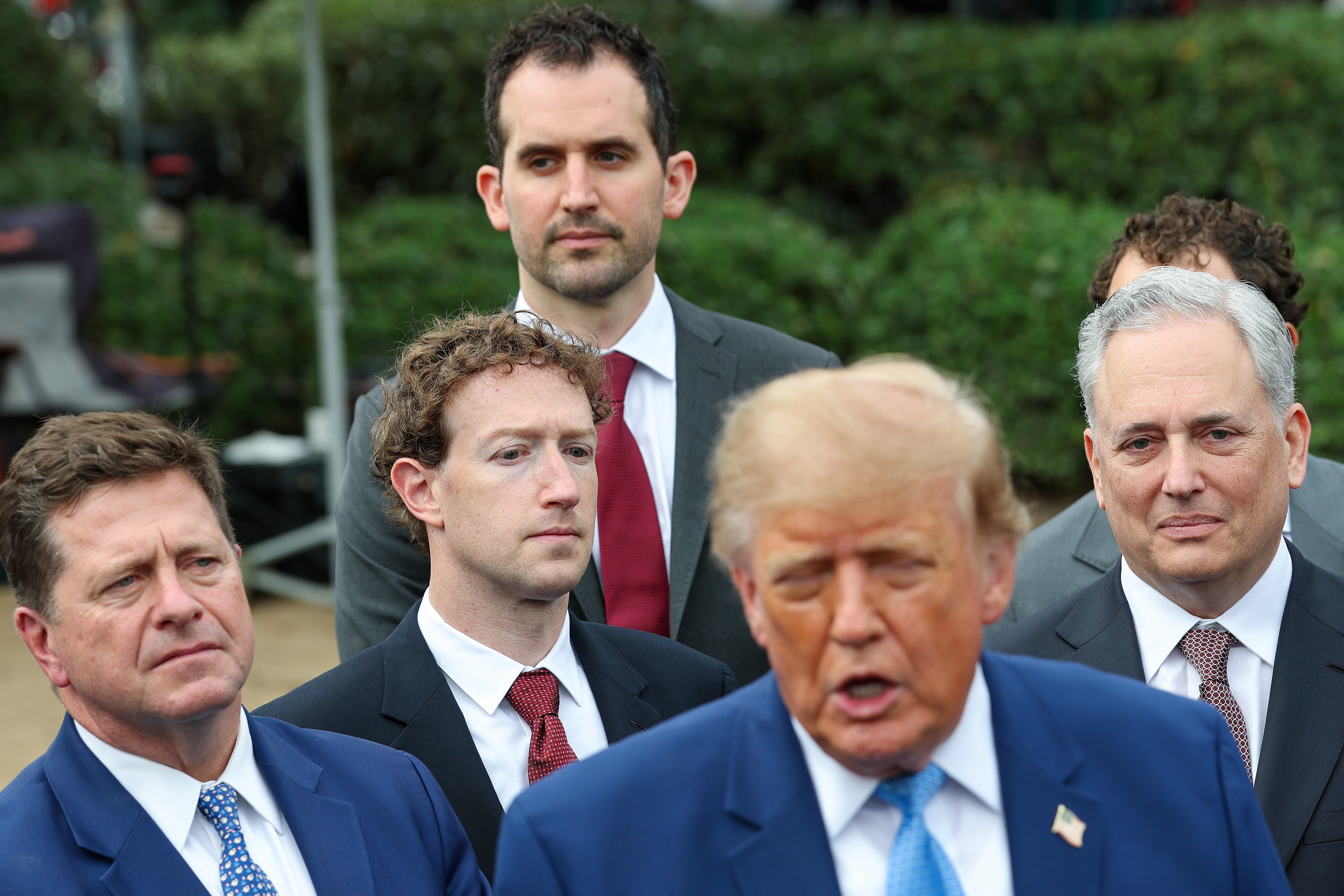
Senators from both parties have pressed the Trump administration to broaden the federal government's role in overseeing artificial intelligence, calling for new safety standards, regulatory frameworks, and independent testing of AI models to safeguard national interests.
The lawmakers are specifically requesting that the executive branch establish clear guidelines for AI development, enforce rigorous safety protocols, and adopt a more "aggressive" stance in employing AI tools for defensive cybersecurity operations. Their proposal includes creating an independent body to evaluate the reliability and risk profile of advanced AI systems before they are deployed in critical infrastructure.
Rapid advances in generative AI and machine learning have heightened concerns about the technology's potential for misuse, from deep‑fake disinformation to automated cyber‑attacks. Recent high‑profile incidents, such as AI‑generated phishing campaigns that bypass traditional filters, have underscored the need for a coordinated governmental response. Lawmakers argue that without federal oversight, the private sector alone cannot ensure that AI applications meet the security standards required for protecting sensitive data and critical services.
Congressional interest in AI governance is not new. Over the past two years, several bipartisan bills have been introduced to address AI risks, and the Senate Commerce Committee has held hearings on the topic. However, advocates say the current administration has been hesitant to commit resources or issue formal regulations, prompting senators to demand more decisive action. The push reflects a broader trend of lawmakers seeking to catch up with the pace of technological change.
Experts warn that insufficient oversight could erode public trust and expose the United States to strategic vulnerabilities. By establishing federal safety standards, the government could set a benchmark that influences global AI development, reinforcing the country's competitive edge while mitigating threats. Moreover, a structured testing regime would help identify hidden biases and security flaws before they are exploited.
In response, the White House has indicated openness to dialogue but has not yet outlined a concrete plan. Sources familiar with internal discussions suggest that the administration may consider issuing an executive order to direct relevant agencies—such as the Department of Homeland Security and the National Institute of Standards and Technology—to collaborate on AI risk assessments. Legislative action could also follow, with potential bills slated for committee review later this year.
The coming weeks are likely to see heightened activity on Capitol Hill, including briefings, hearings, and possible negotiations between congressional leaders and administration officials. Observers note that a clear federal framework for AI safety could serve as a model for other nations grappling with similar challenges, positioning the United States as a leader in responsible AI governance.



Comments (0)
Be the first to comment.
Join the discussion