Russian-Language Ransomware Group Exploits AI Coding Assistant as C2 Channel
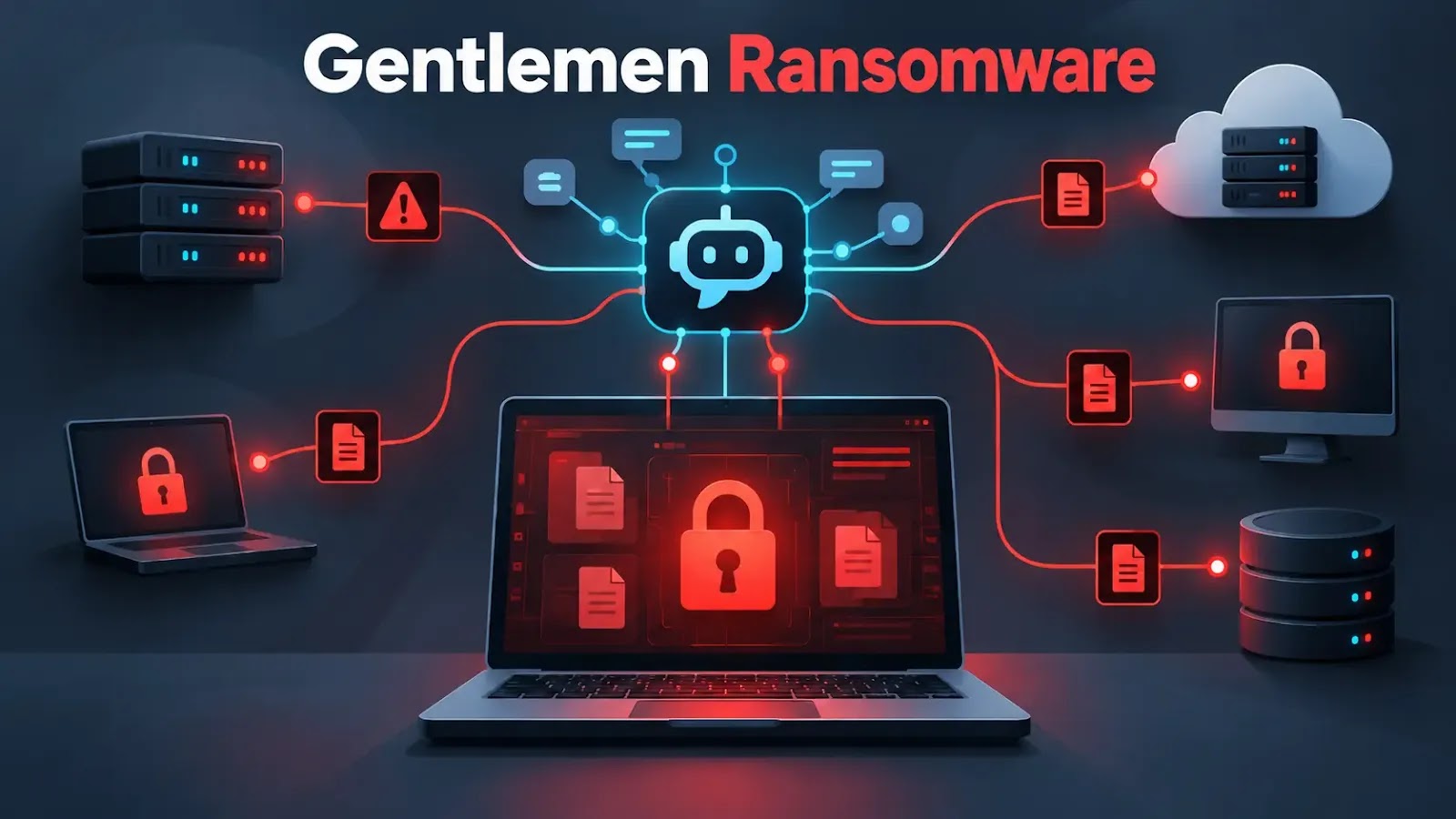
A ransomware affiliate identified as Gentlemen, which operates in Russian, has been observed leveraging the Model Context Protocol (MCP) to issue commands during live network intrusions, effectively turning a popular AI coding assistant into a covert command-and-control (C2) conduit.
Researchers at CloudSEK uncovered the technique while monitoring abnormal traffic patterns linked to the MCP, a protocol originally designed to facilitate context sharing between AI models and development tools. By embedding malicious payloads within the tool's interface, the attackers were able to send execution instructions to compromised hosts without raising the usual alarms associated with traditional C2 methods such as HTTP or DNS tunneling.
The discovery marks a notable shift in ransomware tactics. Rather than relying on dedicated servers or obscure ports, the Gentlemen affiliate piggybacks on a legitimate, widely‑used service that many organizations already trust. This approach reduces the likelihood of detection by conventional network security solutions, which often whitelist traffic to reputable AI platforms.
Cybersecurity analysts note that the use of MCP aligns with a broader trend of threat actors co‑opting emerging technologies for malicious purposes. As AI‑driven development tools become integral to software engineering workflows, they present an attractive attack surface. In this case, the attackers appear to have reverse‑engineered the protocol’s messaging format, allowing them to embed command strings that the compromised endpoint interprets as legitimate tool requests.
While the full scope of the campaign remains under investigation, CloudSEK’s findings suggest that the affiliate has conducted multiple live attacks across different sectors, exploiting the same C2 channel to deploy ransomware payloads after initial foothold establishment. Victims have reported rapid encryption of critical data following the AI‑mediated command sequence, underscoring the operational efficiency of the method.
Experts advise organizations to scrutinize outbound traffic to AI services, especially when it involves atypical request patterns or unexpected payload sizes. Implementing deep packet inspection, enforcing strict API usage policies, and monitoring for anomalous behavior in development environments can help mitigate the risk. Additionally, security teams should stay informed about emerging protocols like MCP, which may be targeted before comprehensive defenses are built.
The incident highlights the evolving cat‑and‑mouse game between cybercriminals and defenders, where novel technologies can quickly become double‑edged swords. As AI integration deepens across enterprises, vigilance and adaptive security measures will be essential to prevent threat actors from turning productivity tools into covert weapons.



Comments (0)
Be the first to comment.
Join the discussion