Study Reveals Over Two-Thirds of Dormant IoT Android Apps Pose Security Threats
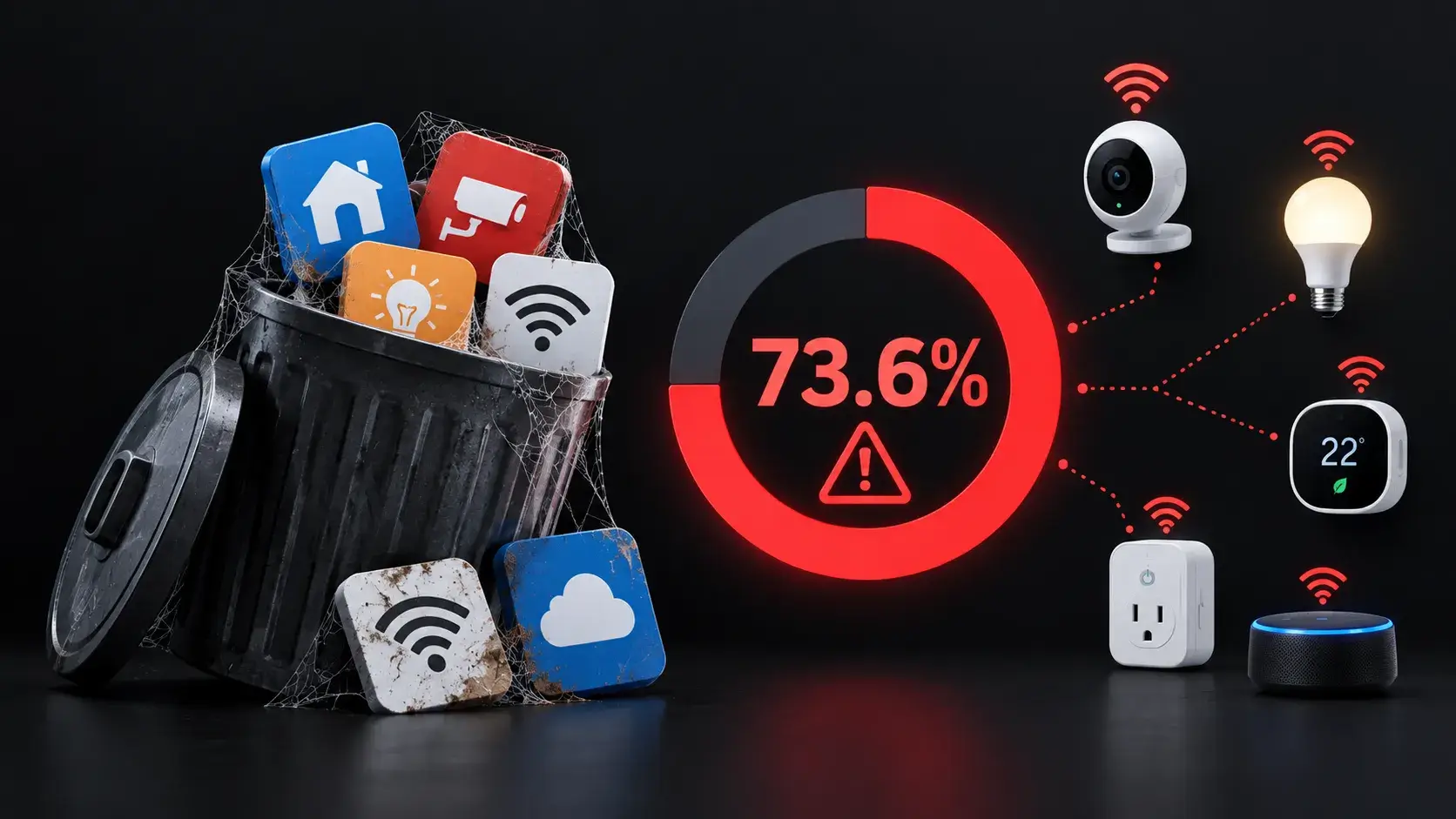
A recent analysis of more than sixty‑one thousand Android companion apps for Internet‑of‑Things devices has uncovered a startling level of exposure: roughly 74 percent of the applications examined contain at least one security or privacy flaw. The findings, released by an independent research team, highlight how abandoned software can become a gateway for malicious actors seeking to infiltrate smart home ecosystems, wearables, and industrial sensors.
The investigators focused on apps that have not been updated in years and are effectively orphaned by their original developers. By scanning the codebases and bundled resources, they identified a spectrum of weaknesses, ranging from hard‑coded credentials and insecure network communications to outdated cryptographic libraries and unprotected third‑party components. Each of these issues, while potentially minor in isolation, collectively raises the risk of data leakage, unauthorized device control, and broader network compromise.
Security experts note that the problem is amplified by the sheer scale of the IoT market, where manufacturers often prioritize rapid product launches over long‑term software maintenance. When an app is left without updates, known vulnerabilities remain unpatched, and any embedded libraries that receive security fixes elsewhere stay vulnerable in the abandoned version. Users who continue to rely on these companion apps—sometimes unaware that the software is no longer supported—are inadvertently exposing themselves to attack vectors that could be leveraged remotely.
The report underscores the need for a more robust lifecycle management strategy for IoT software. Industry observers suggest that regulatory frameworks, such as upcoming cybersecurity standards for connected devices, should require manufacturers to provide a minimum support window or to release source code for community‑driven maintenance. Meanwhile, cybersecurity firms are urging consumers to audit the apps linked to their smart devices, remove those that show no recent activity, and replace them with alternatives that receive regular security updates.
Looking ahead, the research team plans to extend its methodology to other platforms, including iOS and embedded firmware, to gauge whether similar abandonment trends exist elsewhere. Their broader goal is to prompt a shift in how the industry treats post‑sale software support, emphasizing that security cannot be an afterthought in a world increasingly defined by interconnected devices.



Comments (0)
Be the first to comment.
Join the discussion