New Flaws Discovered in Smart Refrigerators Highlight Growing IoT Security Risks
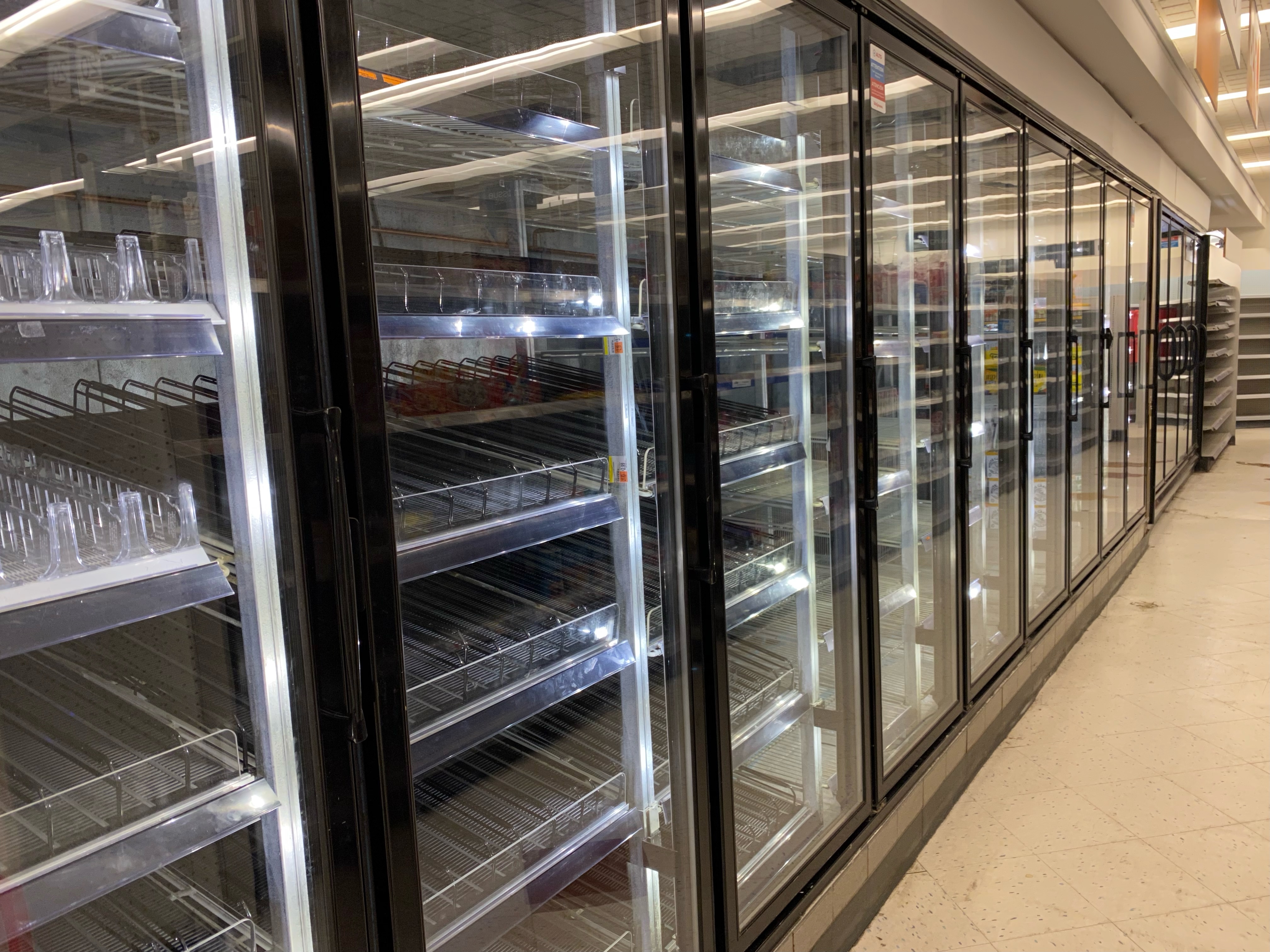
Researchers have uncovered more than a dozen critical security flaws in popular internet‑connected refrigerators, raising fresh concerns about the safety of everyday kitchen appliances. The findings arrive as manufacturers in the United States and Europe are still responding to a series of recent hacking incidents that temporarily disrupted refrigeration services and exposed consumer data.
Smart refrigerators have become a staple of modern homes, offering features such as remote temperature control, inventory tracking and voice assistants. The convenience comes at a cost: each device is essentially a small computer that connects to the internet, making it a potential entry point for cyber‑actors. Earlier this year, a coordinated attack on a major brand forced several retailers to pull units from shelves and prompted a wave of emergency patches.
The latest report, issued by several threat‑intelligence firms, details over a dozen vulnerabilities that range from unauthenticated remote code execution to insecure storage of Wi‑Fi credentials. Many of the flaws affect firmware that has been shipped for the past two years and are present in models sold across North America and the European Union. Exploiting the weaknesses could allow attackers to gain control of the appliance, manipulate temperature settings, or pivot to other devices on the same network.
In response, manufacturers have begun rolling out firmware updates and are advising customers to install them as soon as possible. Some companies have also set up dedicated support lines to help users verify that their units are protected. The remediation effort is complicated by the fact that many refrigerators are installed in private homes, where users may lack the technical expertise to apply updates without assistance.
Security analysts say the surge in discovered flaws underscores a broader industry challenge: the rapid integration of internet connectivity into appliances without a matching emphasis on robust security engineering. Regulators in the European Union are already discussing tighter standards for Internet of Things (IoT) devices, and U.S. lawmakers have introduced proposals to require baseline security certifications for consumer products that connect to the internet.
The continued interest from threat actors, noted by monitoring groups, suggests that smart refrigerators will remain a target as long as they retain network access and store personal data. Experts recommend that consumers segment IoT devices on separate Wi‑Fi networks, keep firmware current, and stay informed about manufacturer advisories. For manufacturers, the episode may serve as a catalyst to embed security testing earlier in the design cycle and to adopt regular, transparent vulnerability disclosure practices.

Comments (0)
Be the first to comment.
Join the discussion