Investigator Claims to Have Penetrated Chinese Crypto Laundering Ring Tied to North Korean Hackers
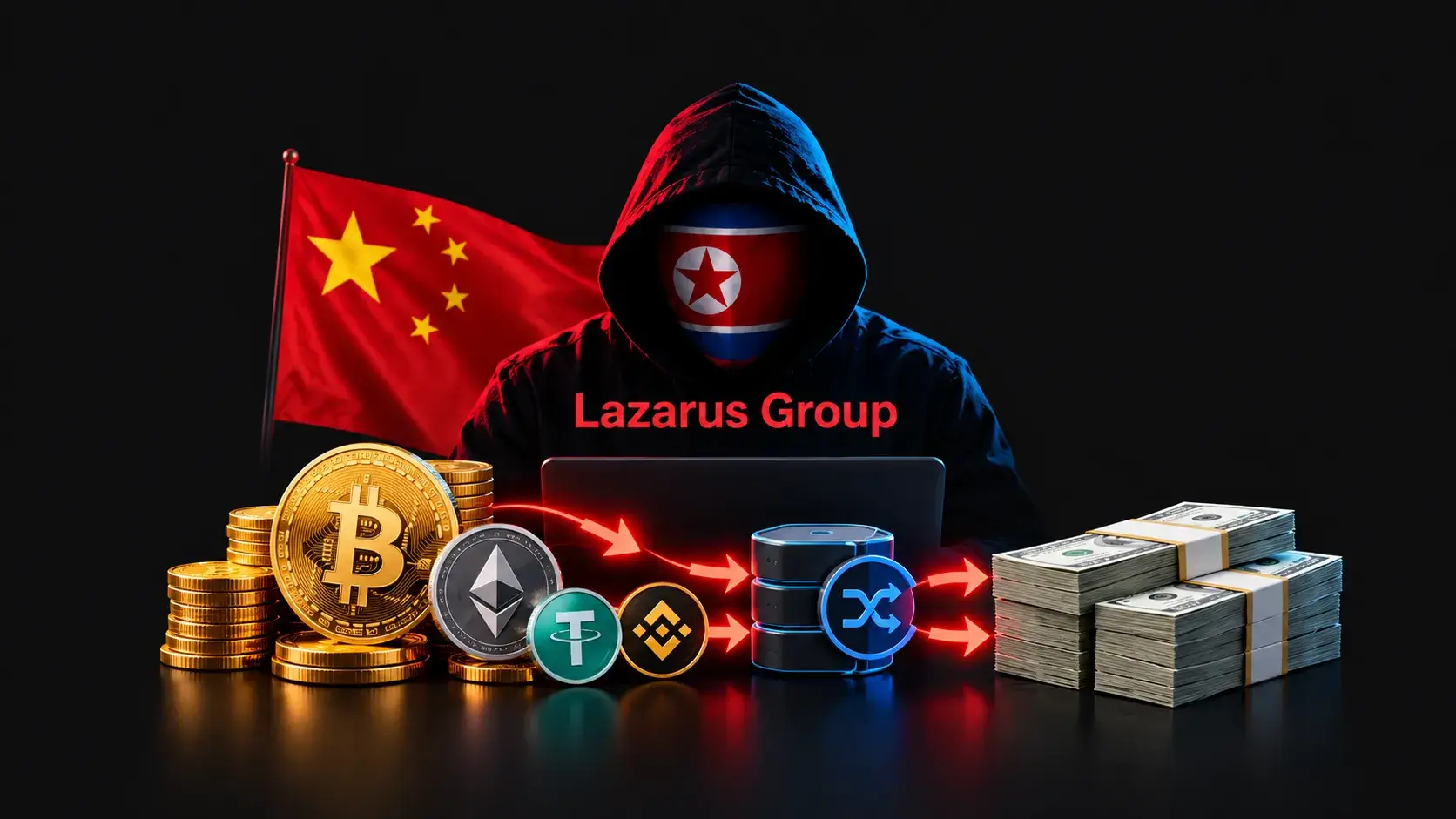
An independent blockchain analyst known as ZachXBT announced on October 5, 2026 that he successfully infiltrated a Chinese organized‑crime group alleged to have moved more than $1 billion in illicit funds through cryptocurrency channels for the benefit of North Korea’s notorious Lazarus hacking collective.
According to the researcher, the operation involved posing as a cryptocurrency trader willing to facilitate high‑value transfers. Over several months, he claims to have gained the trust of senior members, observed their methods for obscuring transaction trails, and documented how they leveraged privacy‑enhancing tokens, mixers, and cross‑chain swaps to conceal the origin of the assets.
The disclosed findings suggest the syndicate acted as a financial conduit for Lazarus, which has previously been linked to ransomware attacks, theft of digital assets, and the financing of the regime’s weapons programs. By routing stolen coins through a network of shell companies and offshore wallets, the group allegedly turned raw cyber‑crime proceeds into spendable fiat, thereby sustaining North Korea’s illicit revenue streams.
Experts in cyber‑security and financial crime note that the scale of the alleged laundering—exceeding a billion dollars—underscores the growing sophistication of state‑backed hacking groups and their reliance on criminal partnerships abroad. The case also highlights the challenges regulators face in tracking crypto flows that cross multiple jurisdictions, especially when participants deliberately exploit gaps in anti‑money‑laundering frameworks.
While ZachXBT’s account has not yet been corroborated by law‑enforcement agencies, the detailed transaction maps he released have prompted calls for tighter coordination between blockchain analytics firms and international investigators. Authorities in both the United States and South Korea have expressed interest in pursuing the leads, and analysts anticipate that further scrutiny could lead to sanctions or indictments targeting the Chinese actors involved. The episode adds to a broader narrative of how illicit crypto ecosystems are increasingly intertwined with geopolitical actors, raising concerns about the effectiveness of current monitoring tools and the need for global policy reforms.



Comments (0)
Be the first to comment.
Join the discussion