Record Surge in QR Code Phishing Prompts New Security Concerns
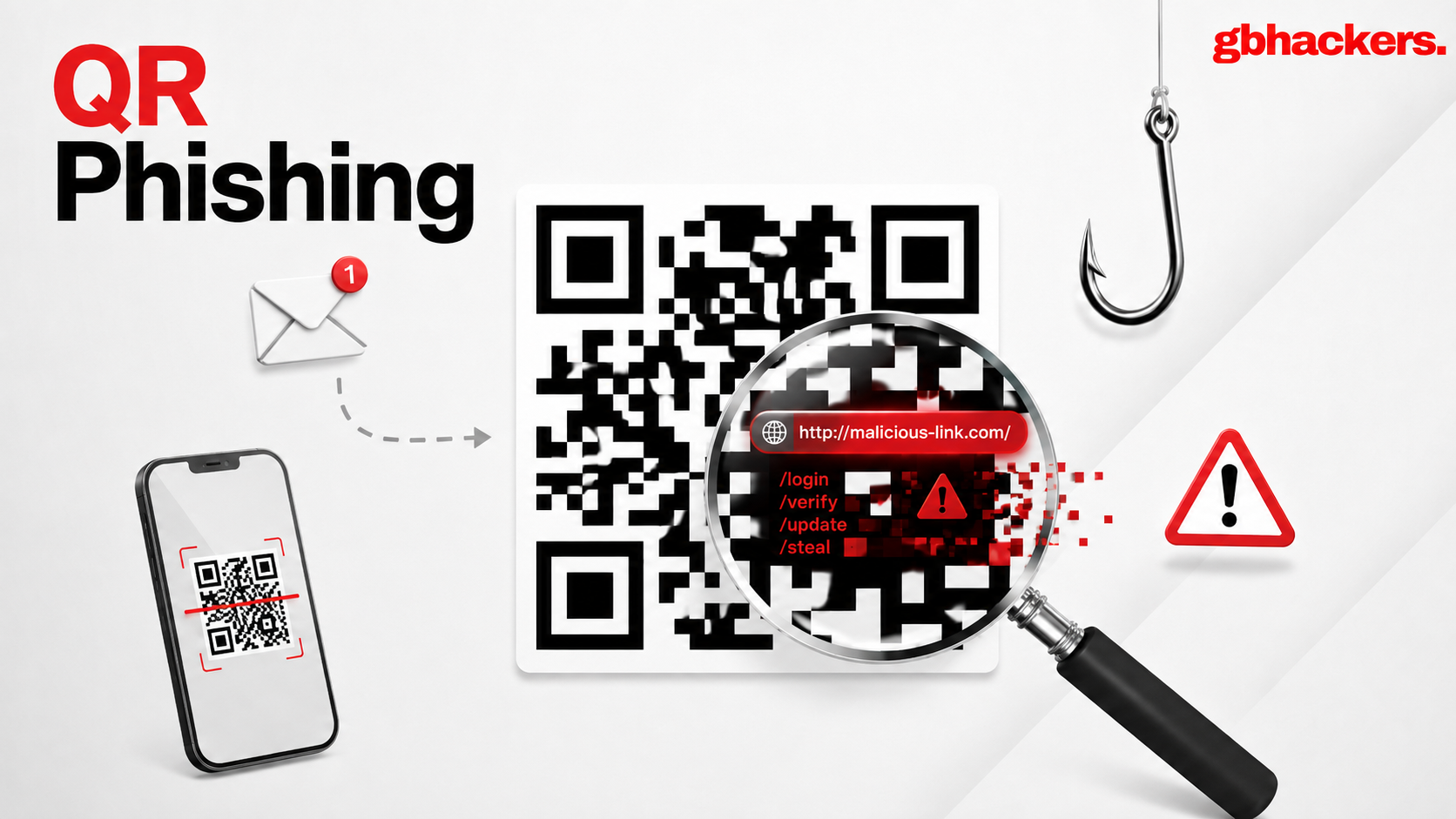
Cybersecurity analysts have observed a sharp rise in QR code‑based phishing, often called “quishing,” with the technique now reaching levels not seen before. By embedding malicious web addresses inside scannable images, threat actors are able to deliver payloads without using traditional clickable links that email filters typically flag.
QR codes translate a string of data into a matrix of black‑and‑white squares that smartphones and other devices can decode instantly. The convenience of the technology has led to its widespread adoption in advertising, contact‑less payments, ticketing and public signage, creating a broad attack surface that criminals are exploiting.
Historically, phishing campaigns relied on text‑based URLs embedded in emails, which could be intercepted by secure email gateways that scan for known malicious domains. The shift to QR codes sidesteps these defenses because the malicious link resides inside an image that most gateway solutions do not parse, allowing the payload to reach the end user after the code is scanned.
The consequences of a successful quishing attempt can mirror those of classic phishing, ranging from credential theft to the installation of ransomware or spyware. Organizations that encourage QR‑code usage for internal processes, such as visitor check‑ins or inventory management, are particularly vulnerable, as employees may trust a code displayed on a legitimate‑looking screen.
Security researchers recommend several mitigations: training users to verify the destination of a scanned QR code before proceeding, employing mobile security apps that preview URLs, and updating email security platforms to include image‑analysis capabilities that can detect embedded links. Some vendors are already experimenting with sandboxed QR‑code scanning to flag suspicious payloads.
As QR codes become even more embedded in everyday transactions, experts warn that the current surge is likely a precursor to more sophisticated campaigns. Ongoing public awareness campaigns and the development of dedicated scanning safeguards will be essential to curb the momentum of quishing before it translates into larger scale data breaches.


Comments (0)
Be the first to comment.
Join the discussion