Panzer Ransomware‑as‑a‑Service Targets Windows, Linux, ESXi and FreeBSD
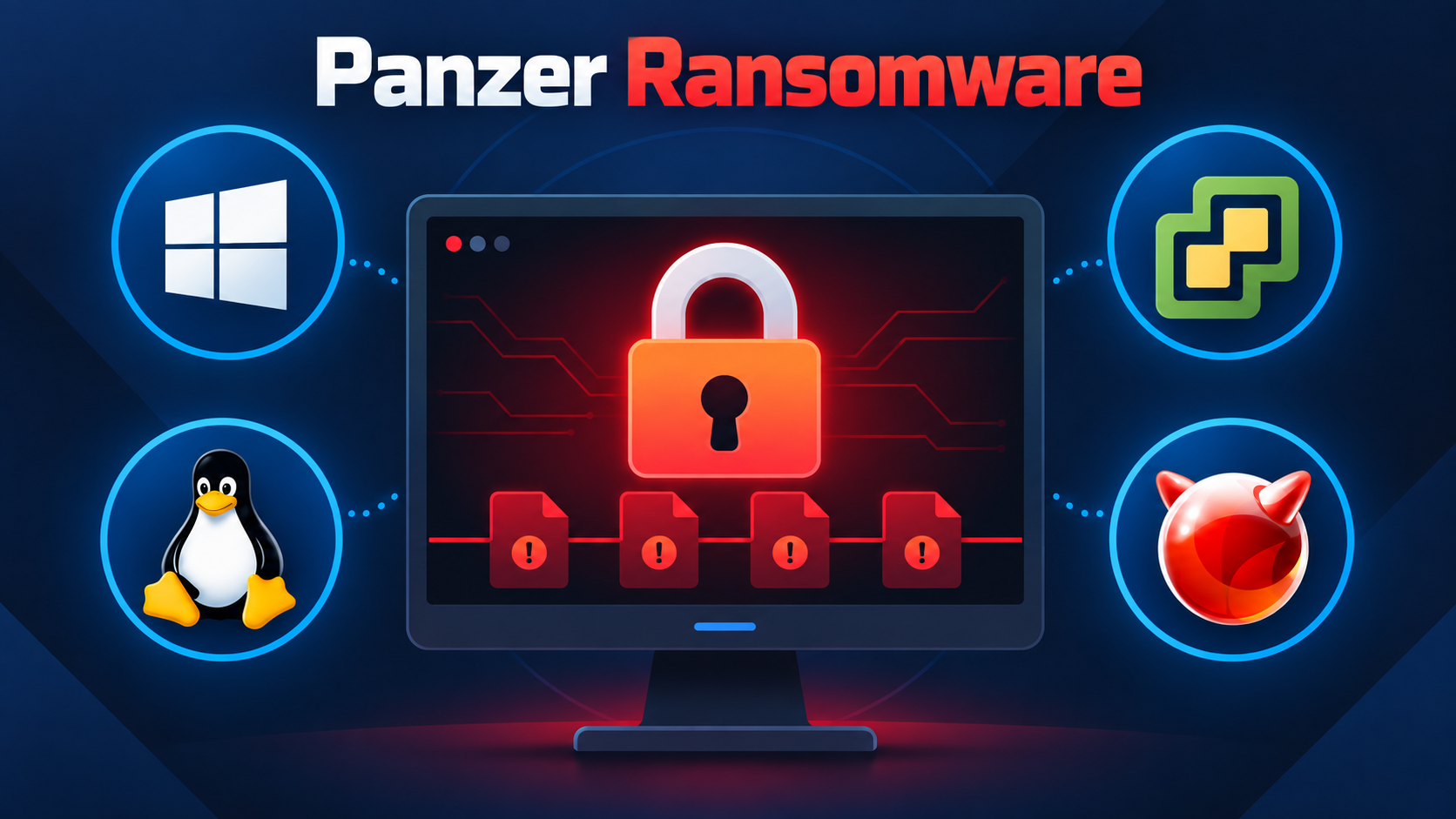
A newly discovered ransomware‑as‑a‑service operation named Panzer is advertising payloads for Windows, Linux, VMware ESXi and FreeBSD, signalling a broader, cross‑platform threat to corporate and virtualized infrastructures.
Ransomware‑as‑a‑service (RaaS) allows threat actors to rent out malicious code to affiliates who then deploy it in exchange for a cut of any ransom payments. This model lowers the barrier to entry for less‑skilled criminals and accelerates the spread of new variants, as developers can focus on adding features while affiliates handle distribution.
Panzer’s advertised support for four distinct operating environments is notable. While most ransomware historically targets Windows workstations and servers, the inclusion of Linux and FreeBSD expands the potential victim pool to include web servers, container hosts and other Unix‑like systems. Support for VMware ESXi also threatens hypervisor layers that host multiple virtual machines, meaning a single compromise could affect an entire data‑center stack.
Researchers monitoring underground forums have observed a rapid cadence of victim disclosures linked to Panzer, with affiliates posting ransom notes and proof‑of‑payment screenshots within hours of infection. This speed suggests an organized campaign and a willingness to publicize successes, a tactic that can pressure victims into paying while also serving as marketing for the RaaS platform.
The move toward multi‑platform ransomware reflects a broader industry shift. As enterprises increasingly adopt heterogeneous environments and rely on virtualization, attackers are adapting their tools to exploit any reachable asset. Earlier strains such as Ryuk and Conti focused almost exclusively on Windows, but newer families are adding Linux and hypervisor capabilities to stay relevant.
Security teams are urged to broaden their defensive posture, incorporating endpoint detection for both Windows and Unix‑like systems, as well as hardening hypervisor configurations and monitoring for anomalous activity at the virtualization layer. Ongoing threat‑intelligence sharing will be crucial as Panzer’s operators refine their code and potentially expand to additional platforms.



Comments (0)
Be the first to comment.
Join the discussion