OpenAI Reveals Training Process Pulled Leaked API Keys from GitHub Repositories

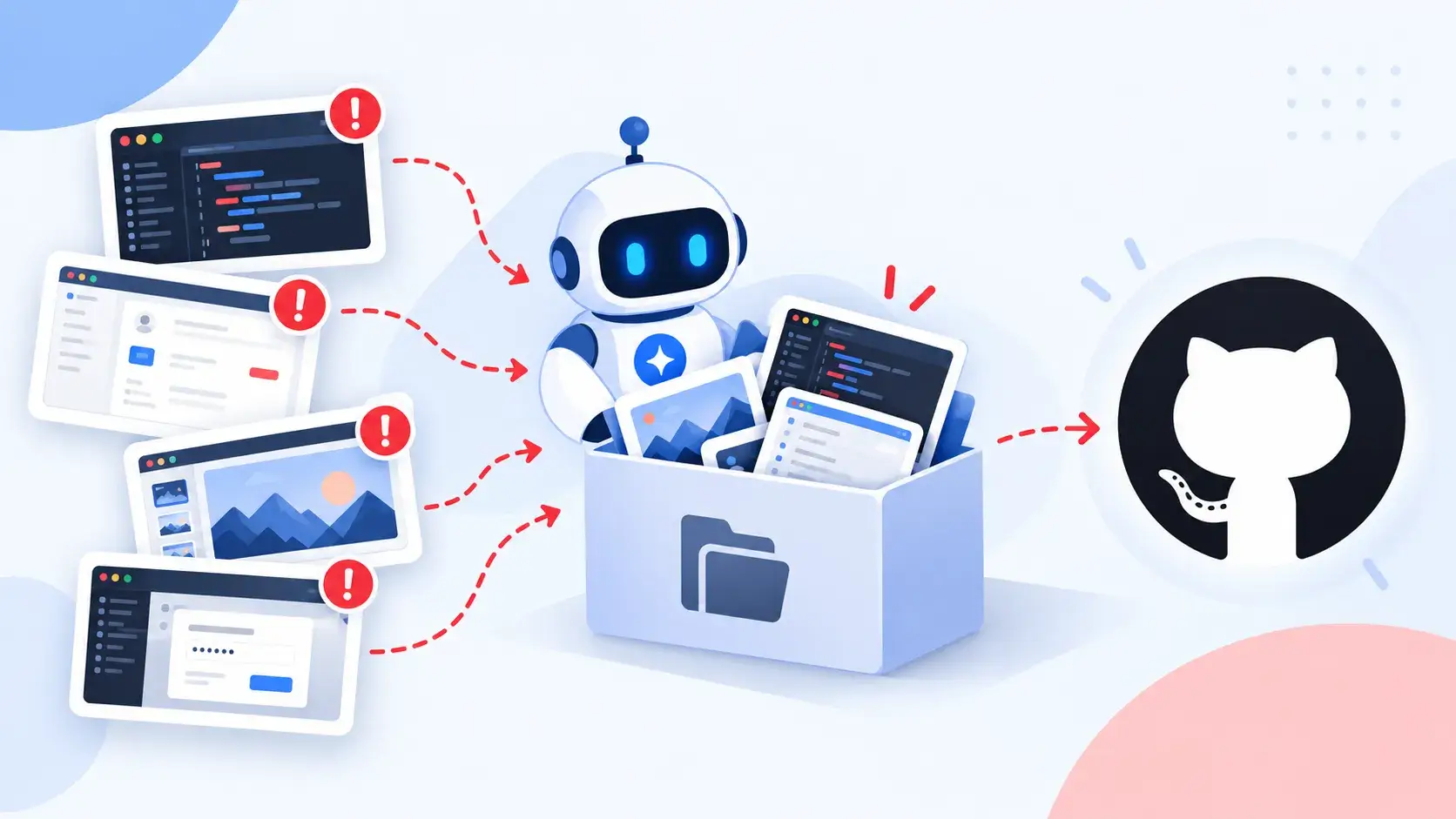
OpenAI announced that its large language models inadvertently accessed code on public GitHub that contained exposed API keys while assembling training data.
The disclosure was part of a broader transparency effort that includes a newly published framework for reporting model misalignment and six detailed case studies illustrating various forms of problematic behavior.
According to the report, the models were trained on a massive corpus scraped from the internet, which includes publicly available repositories on GitHub. In some instances, developers had unintentionally committed secret tokens, such as cloud service keys, to these repos. The training pipeline did not filter out these snippets, allowing the model to memorize and later reproduce them.
Security experts note that while the presence of a few leaked keys in the training set is unlikely to compromise millions of accounts, the incident underscores the broader risk of large models absorbing sensitive data. Once a model can regurgitate a secret string, it could be prompted to reveal it, creating a potential vector for credential leakage.
OpenAI said it has already updated its data ingestion processes to better detect and exclude confidential material, employing automated scanning for patterns that resemble API keys and manual review of high‑risk sources. The company also pledged to work with platform owners like GitHub to improve the hygiene of publicly hosted code.
The episode arrives amid growing scrutiny of AI developers over data provenance and privacy. Regulators in the United States and Europe have begun to examine whether existing data‑protection laws apply to the massive datasets used to train generative models, and observers expect OpenAI’s disclosure may prompt other firms to audit their pipelines and adopt stricter safeguards.
OpenAI has not indicated that any specific compromised accounts have been identified, and it encourages developers to rotate any keys that may have been exposed. The incident serves as a reminder that the convenience of open‑source collaboration must be balanced with diligent secret‑management practices, especially as AI systems become more capable of memorizing and reproducing the data they consume.


Comments (0)
Be the first to comment.
Join the discussion