OpenAI Engineer Accused of Installing Spy Device in San Francisco Executive Suite
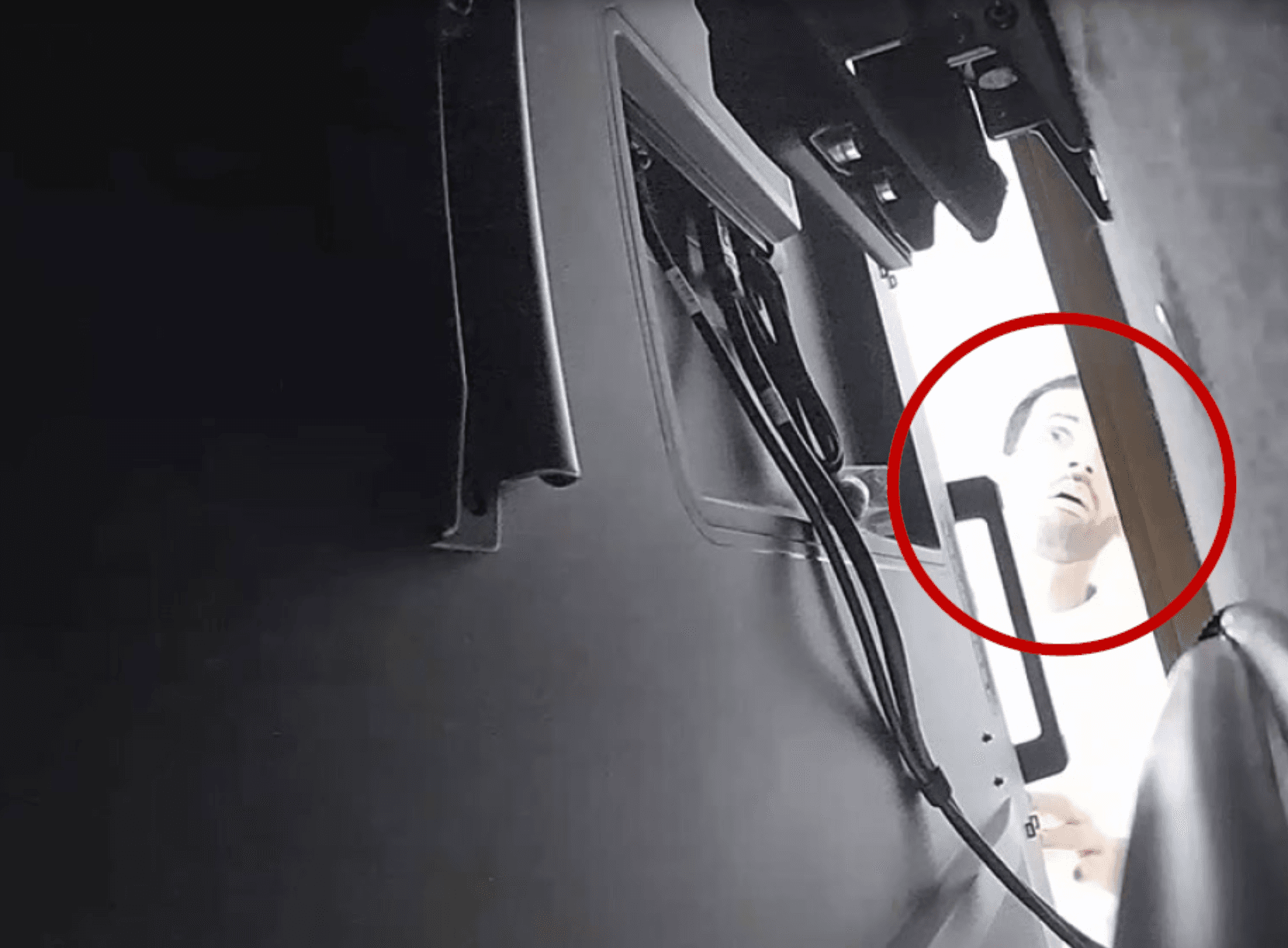
San Francisco prosecutors announced Tuesday that Abdulrahman Alfozan, a 35-year‑old Saudi national employed as an engineer by OpenAI, has been charged with illegally placing a surveillance device in a senior‑level conference room at the company's local office.
The indictment alleges that Alfozan covertly installed the listening equipment without authorization, giving him the ability to capture conversations among OpenAI executives. The alleged act took place within one of the firm's San Francisco buildings, a location that houses key research and product development teams.
OpenAI, the artificial‑intelligence research lab behind the ChatGPT series and other high‑profile models, maintains a growing presence in the Bay Area. Its San Francisco facilities host product strategy meetings, investor briefings and internal briefings on upcoming releases, making the security of those spaces a critical concern for the company.
Security breaches of this nature have drawn heightened attention in recent years as the AI sector becomes a strategic priority for governments and corporations worldwide. Incidents ranging from intellectual‑property theft to attempts at influencing research agendas have prompted tech firms to tighten internal safeguards, especially in locations where senior leadership convenes.
According to the charging documents, the device was concealed in a ceiling tile and remained in place for an undetermined period before being discovered during a routine security sweep. Prosecutors say the act violated both federal and state statutes governing unauthorized electronic surveillance.
OpenAI did not provide an immediate comment on the allegations, though a spokesperson indicated the company is cooperating fully with law‑enforcement authorities and reviewing its internal security protocols.
The case arrives amid broader discussions about the scrutiny of foreign nationals working in high‑tech environments. While the U.S. tech industry relies on a global talent pool, agencies have increasingly emphasized the need for rigorous background checks and monitoring to mitigate espionage risks.
Alfozan is scheduled to appear before a San Francisco judge later this month. If convicted, he could face penalties that include fines and imprisonment, although the exact sentencing range will depend on the specific charges proven at trial. The indictment underscores the growing legal and ethical challenges surrounding the protection of proprietary AI research in an increasingly competitive global landscape.



Comments (0)
Be the first to comment.
Join the discussion