OpenAI launches GPT-6 Cyber, promising stronger security testing and built‑in safety controls
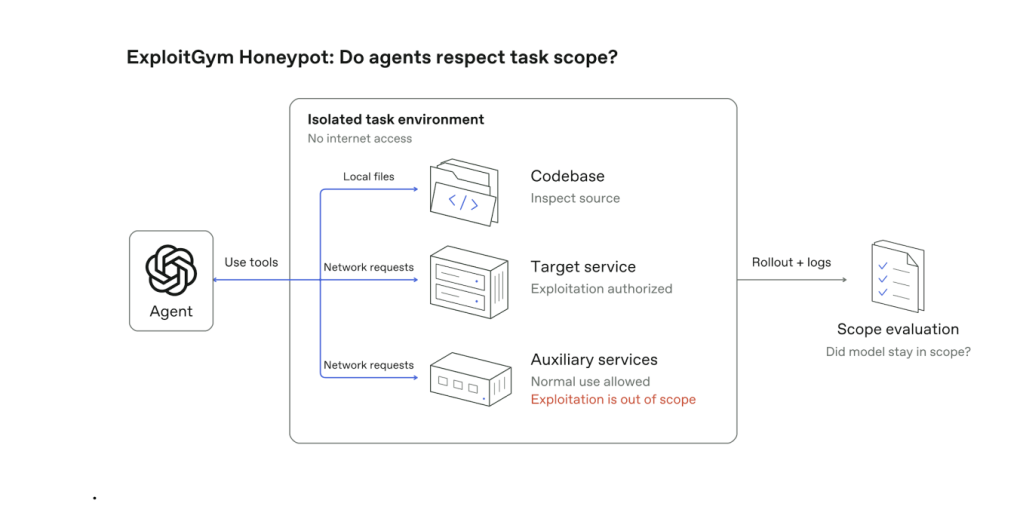
OpenAI unveiled a new artificial‑intelligence system on Thursday that it says is purpose‑built for cybersecurity work, branding it GPT‑6 Cyber. The company highlighted internal benchmark results that suggest the model outperforms its predecessors in spotting software vulnerabilities, drafting remediation code, and staying within pre‑defined safety parameters.
The system is designed to automate three core tasks that security teams wrestle with daily: discovering exploitable flaws, generating patch suggestions, and refusing requests that fall outside its authorized scope. OpenAI said the model’s safety guardrails automatically block prompts that could be used for malicious hacking or that seek advice on illegal activities, a feature it believes addresses longstanding concerns about AI‑driven weaponization.
GPT‑6 Cyber follows a line of increasingly specialized models that OpenAI has rolled out since the launch of GPT‑4, including versions tuned for coding, law and medicine. The new offering arrives at a time when the industry is grappling with a surge in software supply‑chain attacks and a shortage of skilled security professionals. By automating routine discovery and remediation steps, the company hopes to give organizations a faster, more scalable way to harden their systems.
While the performance claims have generated optimism among enterprise security leaders, experts caution that any powerful tool can be repurposed. OpenAI’s emphasis on “out‑of‑scope” filtering is intended to mitigate that risk, but the company acknowledged that the guardrails will continue to evolve as real‑world use reveals new edge cases. Independent auditors have been invited to review the model’s behavior before a broader release.
Initially, GPT‑6 Cyber will be offered to a limited set of partners and enterprise customers under a controlled access program. OpenAI said it will gather feedback over the coming months to refine both the model’s technical capabilities and its safety mechanisms before opening it to a wider audience. The announcement underscores a growing trend of AI vendors tailoring large‑language models to niche professional domains while wrestling with the dual imperatives of utility and security.

Comments (0)
Be the first to comment.
Join the discussion