North Korean Hackers Deploy Phishing Lures to Harvest Ukrainian Military Information
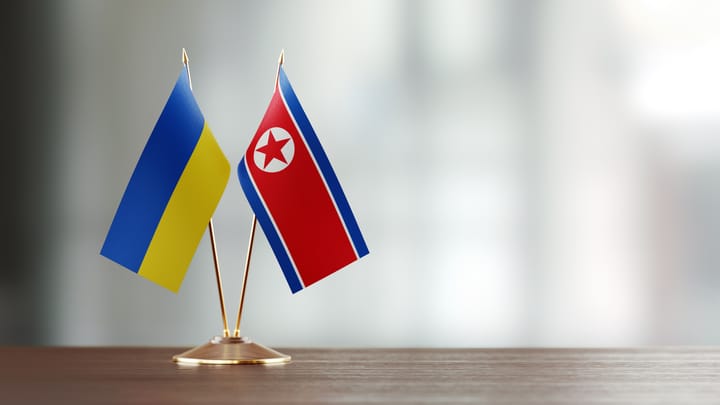
Cybersecurity analysts have identified a new wave of phishing campaigns that appear to be orchestrated by actors linked to the Democratic People’s Republic of Korea (DPRK). The operations target Ukrainian individuals with the aim of extracting details about the country’s ongoing war effort, using simple reply‑baiting messages that ask recipients to confirm or provide information.
According to research initially reported by Dark Reading, the attacks rely on basic social‑engineering tactics rather than sophisticated malware. Victims receive emails or instant‑message prompts that pose as legitimate inquiries, often referencing recent battlefield developments or humanitarian needs, and then request a reply containing any available intelligence. The low‑tech approach suggests the goal is to collect open‑source or user‑generated data that can be aggregated for strategic insight.
The DPRK has a long history of leveraging cyber tools to further its geopolitical objectives, most notably through the Lazarus Group and other state‑affiliated units. While previous campaigns have focused on financial theft, ransomware, and espionage against South Korean and Western targets, this latest effort marks a shift toward direct involvement in the Ukraine conflict. By tapping into Ukrainian communications, the North Korean operatives hope to gain a clearer picture of Russian military tactics, supply routes, and battlefield outcomes that could inform their own strategic calculations.
Ukrainian officials and cybersecurity teams have warned that such phishing attempts could compromise not only individual users but also broader operational security. Even seemingly innocuous replies can reveal unit locations, equipment statuses, or morale indicators when aggregated. Experts note that the simplicity of the bait makes it harder to detect, as the messages often bypass traditional malware scanners and rely on human interaction to succeed.
International observers view the development as part of a broader pattern of third‑party states seeking to exploit the war in Ukraine for their own benefit. The conflict has become a fertile ground for cyber actors looking to harvest data, test new techniques, or align themselves with one side of the struggle. For North Korea, gaining insight into the dynamics of a large‑scale conventional war could provide valuable lessons for its own military planning.
Authorities in Ukraine are urging citizens and officials to treat unsolicited requests for information with suspicion, to verify the authenticity of any communication, and to employ multi‑factor authentication wherever possible. Meanwhile, cybersecurity firms are tracking the phishing infrastructure, hoping to dismantle the channels before they yield significant intelligence. The episode underscores the expanding role of cyber‑enabled espionage in modern conflicts and highlights the need for heightened digital hygiene across all fronts of the war.


Comments (0)
Be the first to comment.
Join the discussion