Low‑Cost Smartphone Add‑On Spotlights Hidden Cameras in Seconds
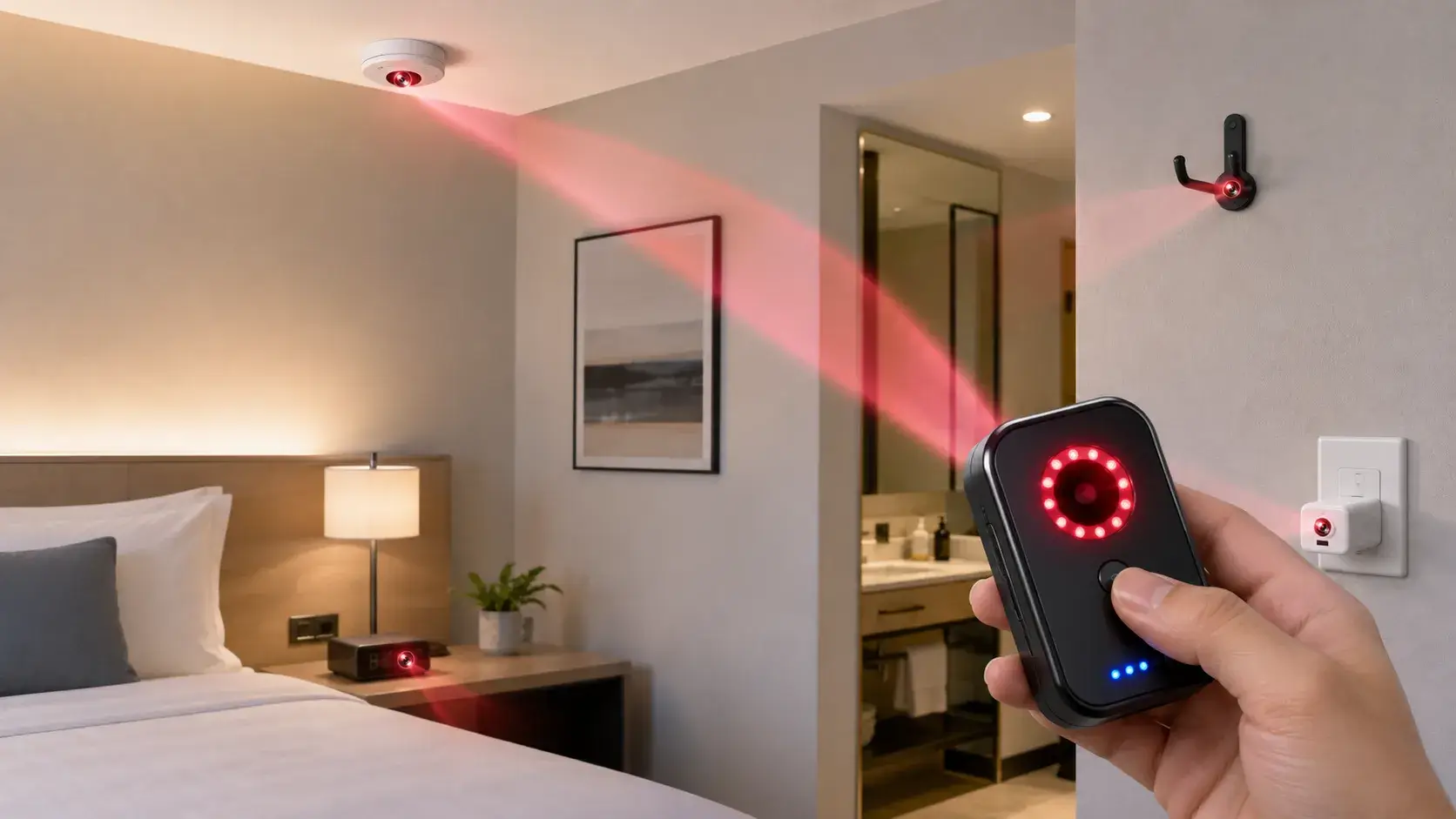
Researchers have unveiled a new detection system called SweepLED that can locate concealed camera lenses in less than five seconds, using a modest $7 LED attachment for a smartphone and a computer‑vision algorithm.
The technology, described in the paper "Hide-and‑Sweep: Detecting…," pairs a simple light‑emitting diode with image‑processing software that scans for the characteristic reflections of camera optics. In lab tests the prototype achieved a 94% success rate in identifying hidden lenses across a variety of common hiding spots, from air‑vent covers to decorative objects.
Hidden cameras have become a growing privacy concern, especially in short‑term rentals, public restrooms and changing facilities. Traditional detection methods rely on expensive handheld scanners that emit infrared or radio frequencies, or on manual visual inspections that can miss well‑concealed devices. SweepLED’s approach leverages the ubiquity of smartphones, offering a portable and affordable alternative that could democratize privacy checks for everyday users.
To operate the system, a user attaches the LED clip to their phone, points it at the area under investigation, and initiates the detection app. The LED illuminates the scene while the camera captures video frames; the embedded algorithm then analyses the reflections for the tell‑tale glint of a lens. The entire process completes in under five seconds, delivering a clear visual cue if a lens is present.
The research team emphasizes that the device is intended as a first‑line tool rather than a definitive forensic instrument. While the 94% detection accuracy is promising, false positives can arise from reflective surfaces such as glass or polished metal, and the system may struggle with lenses that are heavily tinted or obscured. Nonetheless, the rapid, low‑cost nature of SweepLED positions it as a practical supplement to existing security measures.
Industry observers note that the open‑source nature of the underlying algorithm could accelerate adoption, allowing developers to integrate the detection capability into a broader range of mobile platforms. Privacy advocates anticipate that affordable tools like SweepLED could empower renters, travelers and activists to verify the safety of private spaces without relying on costly professional services. Future work may focus on refining the detection model, expanding compatibility with different phone cameras, and reducing the accessory’s price point even further.



Comments (0)
Be the first to comment.
Join the discussion