Multi‑Layered Web Filtering: How DNS, Firewalls and Endpoint Tools Shape Internet Access
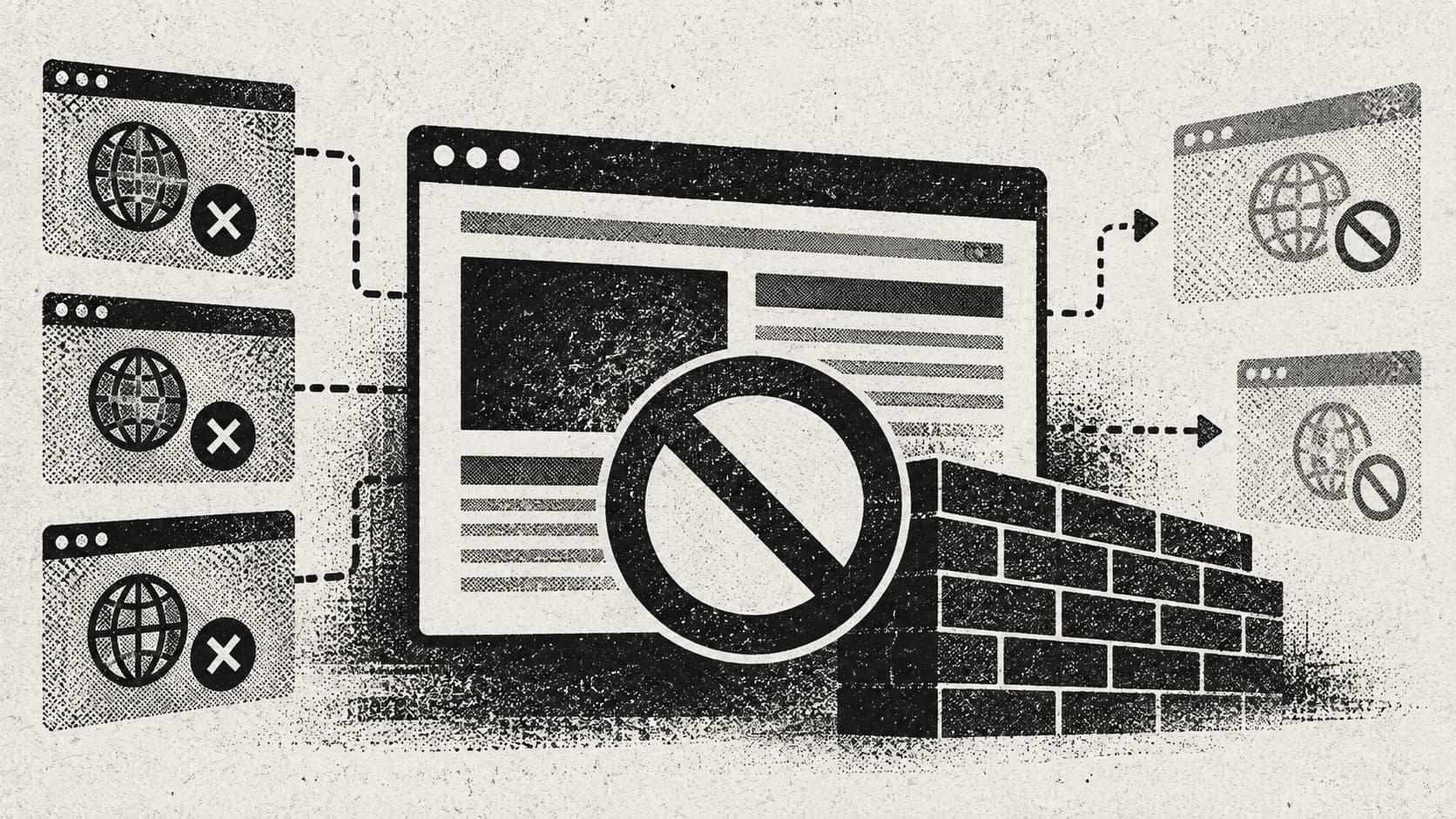
Website access can be curtailed at several distinct stages of a connection, each of which inspects a different slice of the traffic. From the moment a user types a URL to the point where data reaches the device, DNS resolvers, network firewalls, proxy servers and endpoint security agents each have the ability to block or allow the request, creating a layered defense that is both flexible and, at times, leaky.
At the first line of defense, DNS filtering intercepts the name‑resolution step. When a client asks a recursive resolver to translate a domain name, the resolver can refuse to return an address, redirect to a warning page, or supply a bogus IP. This approach works because the resolver sees only the domain name, not the eventual content. However, users can sidestep DNS blocks by switching to public resolvers, employing encrypted DNS protocols such as DNS‑over‑HTTPS (DoH) or DNS‑over‑TLS, or using local hosts file entries, all of which hide the query from the censoring resolver.
Once a domain resolves, network‑level firewalls and proxy devices become the next gatekeepers. These appliances examine IP addresses, ports, and, when configured for deep‑packet inspection, the URL path or even the payload of HTTP(S) requests. By matching against blacklists, geolocation data, or signature patterns, they can drop packets or terminate sessions. Encrypted traffic poses a challenge; without SSL/TLS interception, firewalls see only the destination IP and cannot verify the specific page being accessed, allowing some blocked sites to slip through if they share an IP with allowed services.
On the endpoint itself, host‑based firewalls, antivirus suites, and endpoint detection and response (EDR) tools add a final layer of scrutiny. These agents monitor process‑level network calls, enforce application whitelisting, and can modify the local hosts file to redirect or block domains. Because they operate on the device, they can react to user‑initiated VPN connections, tunneling applications, or proxy settings that would otherwise bypass network filters, but sophisticated users can still evade detection by using encrypted tunnels or obfuscation techniques that blend with legitimate traffic.
The interplay of these layers explains why some network filters miss traffic altogether. Content delivery networks (CDNs) often host both sanctioned and prohibited material on the same IP range, making IP‑based blocks overly broad. Domain fronting, where a benign domain masks the true destination within the TLS handshake, can also fool firewalls that lack full TLS inspection. Moreover, the rise of encrypted DNS and ubiquitous VPN usage reduces the visibility that traditional filters rely on, prompting administrators to adopt more aggressive, sometimes privacy‑invasive, inspection methods.
Looking ahead, organizations are likely to combine zero‑trust networking principles with adaptive filtering that leverages machine‑learning models to identify anomalous traffic patterns across all layers. At the same time, the growing deployment of DoH and other privacy‑preserving technologies will pressure network operators to rethink how they enforce policy without compromising user confidentiality. The ongoing tug‑of‑war between control mechanisms and circumvention tools suggests that multi‑layered filtering will remain a dynamic, evolving field for the foreseeable future.



Comments (0)
Be the first to comment.
Join the discussion